
Review · VALLADOLID TOURS
Valladolid Mayan Bees Tour with Lunch or breakfast and Honey Tasting
Bees, in a dry cenote. At Xkopek Parque Apícola in Valladolid, you descend into a dry cenote to see stingless Mayan bees in their wild setting, then walk through jungle paths tied to honey production. I also love that the tour ends with a real honey and hive-products tasting, not just a quick sample.
The only real catch is the physical part. You go down stairs into the cenote and then walk back through uneven grounds, so bring closed shoes and expect bugs, even if you follow the advice about mosquito repellent.
Good news: this is short and easy to plan. It runs about 1 hour 30 minutes, caps at max 10 people, and includes breakfast or lunch so you are not hunting for food mid-day.
Key highlights at Xkopek Parque Apícola (Valladolid Mayan Bees Tour)
- Dry cenote start with a stair descent and plants you can actually connect to daily life
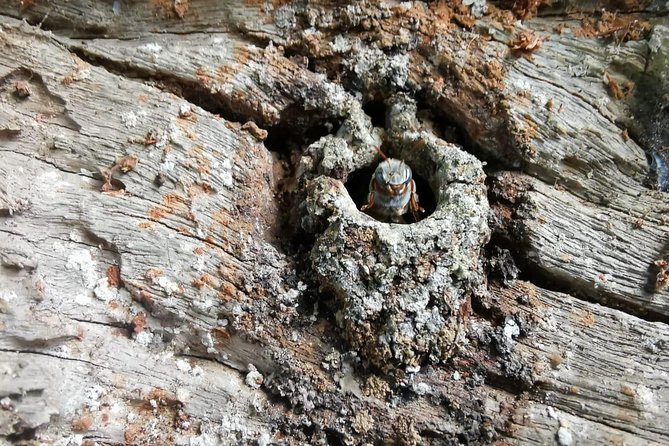
- Wild stingless bees in their habitat, explained clearly so you feel comfortable around them
- Jungle plant walk focused on species used for honey production
- Meliponario time with hands-on viewing, including the chance to open a hive and see nest architecture
- Honey and hive-products tasting (more than one kind, plus other products from the hive)
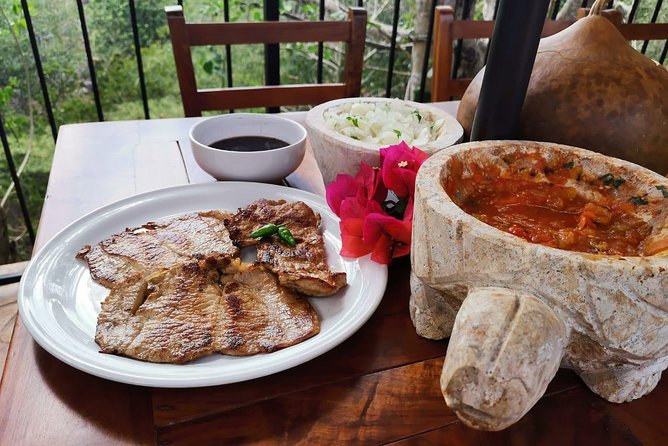
- Meal included with local options like poc chuc or empanadas, plus breakfast choices if you go early
Other stops in Valladolid on the way back
- Valladolid Mayan Bees Tour with Lunch or breakfast and Honey Tasting★ 5.0 · 193 reviews
- Rio Lagartos guided boat tour- Ek Balam from Valladolid★ 5.0 · 151 reviews
- Full Day Tour Chichen Itza plus Cenotes From Valladolid★ 4.0 · 107 reviews
- Chichen Itza skip the line – Cenote – Izamal from Valladolid★ 5.0 · 97 reviews
Valladolid’s Mayan Bees, Explained the Hands-On Way
If your Valladolid days are looking a little too similar, this tour is a smart pivot. Instead of ruins or cenotes as a checklist item, you get a living, working bee park where Mayan beekeeping is the main story. The vibe is practical, outdoorsy, and very focused on how bees fit into the local ecosystem.
The whole experience is about 1.5 hours, and it stays small, up to 10 people. You meet at Xkopek Beekeeping Park on Calle 57 x 36 y 38 (San Juan), and the activity ends back at the same meeting point. That matters because you can plan it like a clean block of time, without long transfers hanging over your head.
Another plus for English speakers: the tour is offered in English, and the guiding team is a small group of four, usually Jorge, Dianela, Gerardo, and Julia, so you are not lost in a giant crowd. And since it includes a meal, you can show up thinking about shoes and curiosity, not lunch logistics.
Entering the Dry Cenote: Plants, Plants, Then Bees
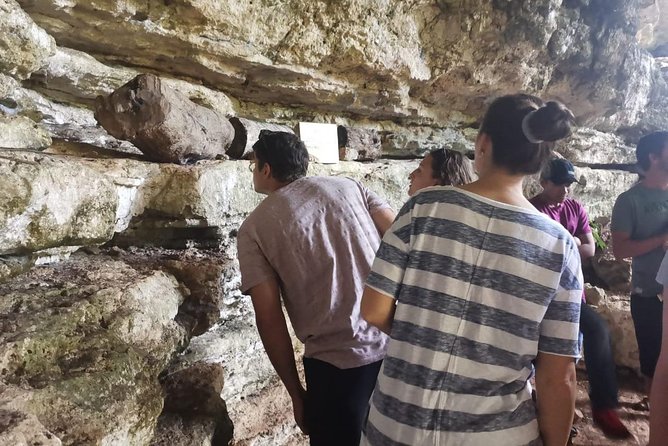
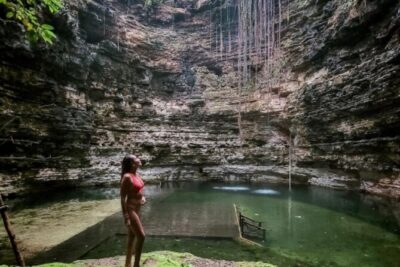
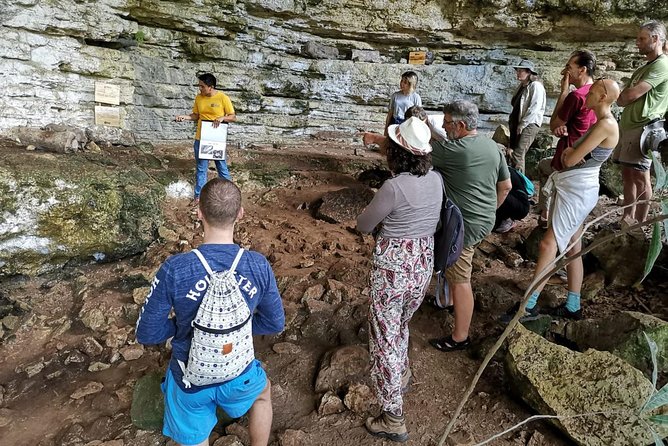
The tour begins with a walking segment that brings you to a stairway descent. You will head down into a dry cenote, and that first stop sets the tone. This is not just a dramatic entrance for photos. You pause to look at local plants and learn what they are used for and why they matter.
Then you enter the cenote vault area. This is where you can see local bee varieties in a wild state. I like this part because it teaches you how to look. You see the bees as part of a real habitat, not as a sealed display.
And yes, there is a safety reassurance built right into the experience. These are Mayan bees that do not have stings, so the tour explains that they do not sting. That single detail changes how you experience the cenote. You can focus on the ecology and the nesting behaviors instead of worrying every minute.
Still, be honest about the physical side. The descent is down stairs, then you work your way back up later. The tour is marked for moderate physical fitness, so if you struggle with steps or uneven ground, plan for that.
The Jungle Path Where Honey Production Starts
After the cenote, you walk a path in the jungle. This is where the tour shifts from “wild habitat” to “how honey production actually happens.” You will identify the main plants connected to honey production and learn what role they play in the process.
I like this pacing because it turns honey from a mystery ingredient into something you can picture in the landscape. You start to see how the plant cycle, bee behavior, and local ecology connect. It is one of those tours where your brain stops asking, Where does this honey come from? and starts asking, Which plants are thriving right now?
Practical note: jungle paths can be a bit slippery or uneven. You do not need hiking boots, but you do need traction and support. Closed shoes are strongly recommended, and I agree. Your day will feel smoother if you can put your foot down confidently during the walking segments.
Meliponario Time: Opening a Hive and Seeing the Architecture
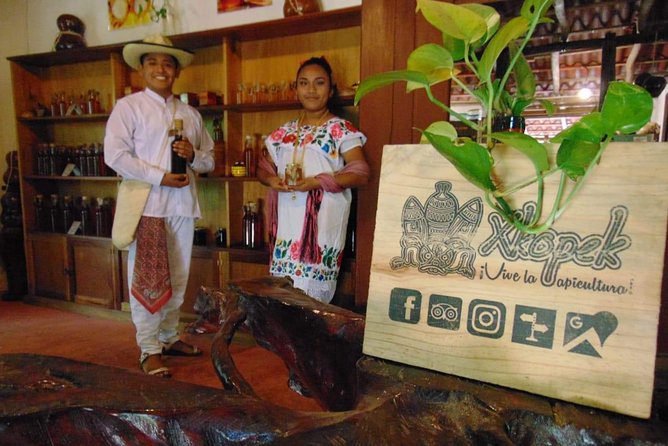
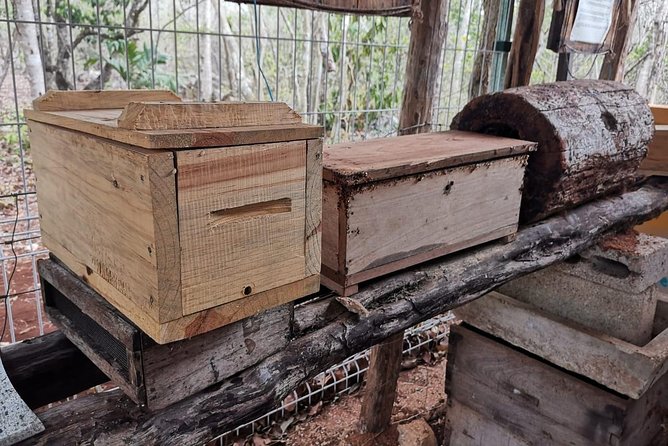
The meliponario is the core learning hub. Here, the guides talk through the honey-making process, including the process of honey coke, and they explain other products of the hive. They also share health properties of these products, which helps the tasting portion feel connected instead of random.
One of the most interesting moments is the chance to open a beehive so you can observe the architecture of the nest. Even if you have seen beehives before, stingless bees work a bit differently than the typical image most people have from Europe or North America. Seeing the internal structure in person is a big part of why this tour feels more “real” than a standard farm visit.
If you are the type who likes asking questions, this is your window. You can ask what you are seeing and how the bees’ behavior relates to the hive products you will taste at the end. And if you are nervous about bees, this is also where the tour’s calm explanation helps. The guides are there to keep the experience grounded and safe.
Other Mayan cities within a morning
Honey Tasting: More Than One Flavor, Plus Extra Hive Products
The tour ends with a honey tasting and a chance to try other products from the hive. If you think honey tasting means one small cup and you are done, expect more variety. Many visitors come away talking about sampling different honeys and other hive products.
From the descriptions and experiences shared with this tour, tastings often include honey plus other products such as propolis and pollen, depending on what is available. You will also learn what makes each sample different, which helps you connect flavor and source instead of just judging sweetness.
I also like that the tasting is paired with the earlier explanation. You are not tasting in a vacuum. By the time you reach this stage, you have already visited a dry cenote habitat, identified honey-related plants, and seen the hive structure in the meliponario. That makes the tasting portion feel like the payoff, not a separate activity tacked on at the end.
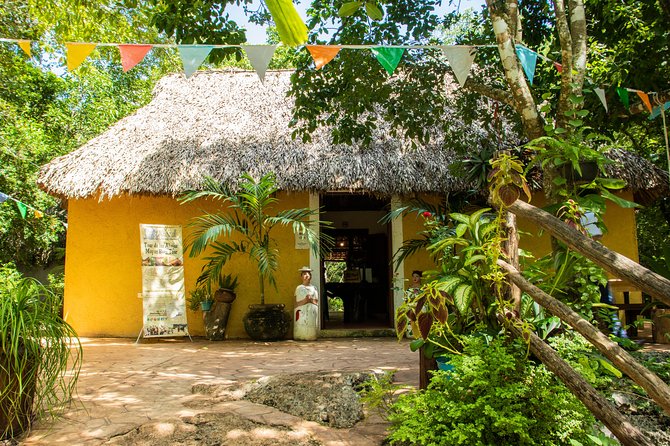
After tasting, you visit the small store on site for honey and souvenirs. This is where you can turn what you learned into a takeaway you can actually use later.
Lunch or Breakfast Included, and Why That Changes the Value
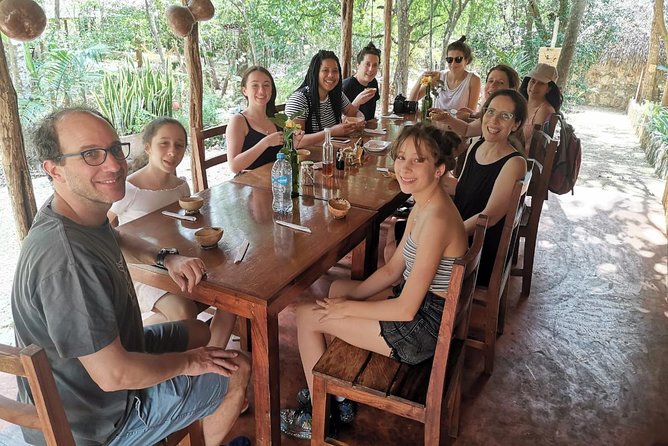
One smart reason this tour works for busy travelers: food is included. You do not need to budget mental energy for meal planning in the middle of your day.
You can get lunch options such as Traditional poc chuc (with pork or chicken) or empanadas. If you book the breakfast package, expect items like quesadillas, scrambled eggs, or an omelet, with an option that includes up to two ingredients. You also get fruit water of the day.
How is the food, realistically? It is the kind of meal that fits an eco-tour day: filling, local, and practical. It is not presented as a fine-dining experience, but it does what it should do, keep you nourished while you finish the tour comfortably. If you have ever done tours where lunch is an afterthought, this one feels more like part of the program.
What to Wear and Bring (So You Actually Enjoy It)
This is an outdoor experience with walking, a cenote stair descent, and time in a more natural setting. So pack like you are going to be outside.
Wear comfortable shoes for walking, and ideally closed shoes with decent grip. Bring long sleeves or light long pants if you are sensitive to bugs, even though the key instruction is to use organic mosquito repellent.
Also, the tour is not for bee-allergy concerns. The experience description specifies that it is for people who are not allergic to bees. If you have a history of severe reactions, do not treat that as a suggestion. Respect it.
Lastly, consider comfort with insects in general. These bees do not sting, but you are still in bee country. If you feel panicky around anything flying, this might not be the best way to conquer that fear. If you are curious and can stay calm, the explanations and stingless detail will help a lot.
Who Should Book This Valladolid Bee Tour?
This is a great fit if you want something off the beaten path that still feels organized and easy. It is also ideal if you like learning from hands-on nature experiences, especially those tied to local culture.
I would especially recommend it for:
- Families, because the experience is short and structured, with plenty of time for questions
- Couples and solo travelers who want a unique stop that is not another museum or long bus ride
- People interested in Mayan practices around beekeeping and local ecosystems
- Honey lovers who want to taste multiple hive products, not just a single spoonful
And you should skip it if:
- You cannot handle stairs or uneven paths
- You are not able to follow the bee and insect safety guidance
- You have bee allergies, since the tour is explicitly not for people who are allergic to bees
Should You Book Xkopek’s Mayan Bees Tour?
If you want a Valladolid experience that feels living, educational, and honestly different, I think this is a strong yes. The overall rating is 4.9 with 193 reviews, and it has a 98% recommendation rate, which is rare for a specialty nature tour. More importantly, the structure makes sense: habitat first (dry cenote), context next (plants and honey production), then the real payoff (hive viewing and tasting), capped with a meal.
Book it if you are excited by stingless bees, you like guided nature walks, and you appreciate value built on included food plus a real learning experience. Avoid it if you need a fully flat, low-walking day or if you have concerns about allergies, since you will be close to the hives and bee environment.
FAQ
How long is the Valladolid Mayan Bees Tour?
It lasts about 1 hour 30 minutes.
Where is the meeting point, and do we return there?
The tour starts at Xkopek Beekeeping Park (Calle 57 x 36 y 38, San Juan, 97780 Valladolid, Yuc., Mexico) and ends back at the same meeting point.
Is the tour offered in English?
Yes, it is offered in English.
What meal options are included?
If you choose lunch, options include Traditional poc chuc (pork or chicken) or empanadas. If you choose breakfast, options include quesadillas, scrambled eggs, omelet, and an option with up to two ingredients, plus fruit water of the day.
Do the bees sting?
The experience explains that bees do not sting because they do not have stings. The tour is also listed as not being for people who are allergic to bees.
What should I wear or bring?
Wear comfortable shoes for walking, preferably closed shoes. Use organic mosquito repellent, and bring what you need to stay comfortable on stairs and jungle paths.
Can I cancel and get a full refund?
Yes. You can cancel for a full refund up to 24 hours before the start time. The experience can also be canceled due to poor weather, and in that case you will be offered a different date or a full refund.
Other Days That Feed You
Other Mayan Cities Nearby
More Time in Valladolid
Just reviewed around Valladolid
Valladolid Tours, compared.
 ★ 4.5Chichen Itza, Cenote & Valladolid Tour with Tequila and LunchFrom $3415,789 reviews
 ★ 4.6Chichen Itza, Cenote & Valladolid Tour with LunchFrom $496,722 reviews
 ★ 5.0Chichen Itza Gastronomic, Valladolid and Cenote ExtremoFrom $292,558 reviews
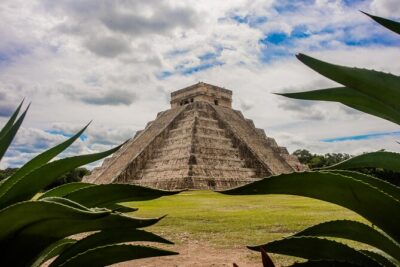 ★ 5.0Chichen Itza, Cenote and Valladolid Small Group Day TripFrom $2142,104 reviews
 ★ 4.0Chichen Itza Day Trip Exclusive Nool-Ha Cenote & Valladolid VisitFrom $1101,501 reviews
 ★ 5.0Chichén Itzá, Cenote and Valladolid with Lunch and transportationFrom $33999 reviews
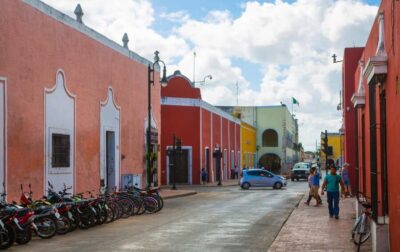 ★ 4.6Chichen Itza: Guided Tour with Valladolid & Cenote ChichikanFrom $58911 reviews
★ 5.0Chichen Itza Gastronomic, Valladolid and Cenote ExtremoFrom $29710 reviews
★ 4.6Chichen Itza: Guided Tour with Valladolid & Cenote ChichikanFrom $58911 reviews
★ 5.0Chichen Itza Gastronomic, Valladolid and Cenote ExtremoFrom $29710 reviews