

Review · COZUMEL TOURS
Cozumel: Chocolate Workshop at The Mayan Cacao Company
Cozumel has a sweet lesson in old-world cacao. This workshop at The Mayan Cacao Company breaks down the Mayans’ role for cacao and turns it into a hands-on chocolate bar you make with your own hands, guided by friendly pros like Paty. You also get a structured taste session that helps you notice real differences in flavor and texture.
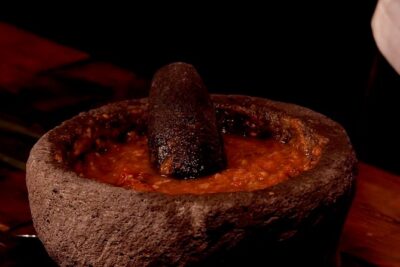
My favorite part is the 13-chocolate tasting, which feels like a guided flavor map instead of just samples. I also like the hands-on element, especially when the instructors help you work the pre-Hispanic metate for grinding cacao.
One important heads-up: this is not a good fit for anyone with chocolate or nut allergies, and the site is not wheelchair accessible.
Key highlights to look forward to

- A make-your-own chocolate bar using a traditional style of grinding and mixing
- 13 artisanal chocolate tastings after the workshop, so you can compare flavors
- Hands-on work on a metate (with instructor support, including for first-timers)
- Culture explained in plain language, not just facts on a page
- High-energy instructors like Paty and Roberto, known for answering questions and keeping it fun
- A real chocolate boutique stop afterward, where you can keep tasting and buy if you want
Staying on the island? More Cozumel days
- From Cozumel: 3 Reefs Boat Tour with Drinks and Snorkeling★ 4.3 · 1,080 reviews
- From Cozumel: Starfish, Stingrays and the Turtle Sanctuary★ 4.4 · 455 reviews
- Cozumel: El Cielo, Palancar Reef, and Beach Party with Food★ 4.4 · 257 reviews
- Cozumel: Manatee Encounter, Chankanaab Admission and Buffet★ 4.4 · 73 reviews
Where to start: meeting point, timing, and the 1.5-hour flow

This is a straightforward, no-fuss experience because you meet at The Mayan Cacao Company itself. Plan to arrive about 15 minutes early. That buffer matters because you’ll want time to settle in, check in, and get started when the session is already rolling.
The workshop runs about 1.5 hours. Expect two main phases: a short cultural intro, then the chocolate-making process, and finally the tasting at the boutique. If you like experiences that have a beginning, middle, and end, this format is easy to enjoy without wondering what happens next.
One logistical detail that can surprise people: bring cash. Also dress in comfortable clothes, since you may be standing and working during the hands-on portion.
Mayan cacao, explained in everyday terms
The workshop starts with the big picture: why cacao mattered to the Maya beyond simple sweetness. You’ll learn how cacao functioned as a sacred food, a symbol of prestige, and a social centerpiece in their world. The point is not to treat cacao as a distant museum object. It’s to understand why people honored it, used it, and built meaning around it.
What I like about this cultural start is that it frames the chocolate you’re about to make. You’re not just learning a recipe. You’re learning why the ingredients and steps had purpose in pre-modern Mayan life, including ritual and ceremonial use.
Then the workshop transitions from story to process. That’s a smart pacing choice, because cacao history can easily become lecture mode. Here, it stays connected to what you’ll do next.
Making your chocolate bar: from cacao seeds to your own mix

Now for the main event. You’ll walk through the traditional chocolate-making process, using cacao seeds like the Maya used in rituals and ceremonies. The hands-on highlight is the grinding step.
You’ll get to grind cacao on a traditional pre-Hispanic metate. This part is where many people relax and smile, because it feels tangible, almost like you’ve stepped into a historic kitchen moment. It also gives you a new appreciation for why real chocolate takes effort, not just machinery.
After grinding, you’ll mix in simple ingredients to form your base. The workshop experience centers on making your own handmade chocolate bar, so you can actually take home a result of the work, not just photos.
A practical reality check: expect the process to be tactile. If you’re the type who worries about getting a little messy, plan for it. Wear something you don’t mind if you get tiny specks from cacao or ingredients.
Also, if you’re worried you won’t do it right, don’t. Instructors like Paty and Roberto are praised for helping people through the grinding and answering questions as you go. That matters, because the metate step can feel awkward if you have never used one.
The 13-chocolate tasting in the boutique: how to taste like a pro

After the workshop, you head to the chocolate boutique for tasting. This is where you get the “wow” payoff, because the experience keeps expanding beyond the bar you made.
You’ll taste 13 artisanal chocolates. The value here is that you get comparisons. You can notice differences in sweetness, roast levels, texture, and how certain chocolates feel heavier or lighter on the palate. It turns “I like chocolate” into “I can explain what I like.”
If you want practical takeaways, I’d treat this tasting like a mini course:
- Start by paying attention to aroma first.
- Then notice the first flavor hit versus the finish.
- Try to spot texture differences, not just sweetness.
If you have kids in your group, this tasting segment often works well because it feels like a fun food game with structure. One parent even mentioned their child doing well and enjoying the chocolate they made.
Other Mayan cities within a morning

Instructors matter: Paty, Roberto, Eduardo, and Leti

This workshop’s quality is closely tied to the instructor style. The strongest feedback consistently points to guides who are energetic, friendly, and quick to answer questions.
You’ll see names pop up often, including Paty, Roberto, Eduardo, and Leti. Each seems to bring a mix of history and humor, plus real care for the group. Some sessions feel extra personal, especially when people are in a small group and get more time on the metate or more back-and-forth on questions.
Roberto is repeatedly described as giving an advanced level of explanation, including a guided history of cocoa and chocolate, with lots of audience interaction. Paty is praised for being enthusiastic and supportive during grinding, and for making the workshop feel smooth even when you have questions mid-process.
Here’s the practical point for you: if you like to ask questions, this workshop rewards that. If you prefer quiet experiences, you can still enjoy it, but you may find the interaction style more talk-heavy than a self-guided activity.
Price and value: is $40 for 1.5 hours actually fair?
At $40 per person for about 1.5 hours, you’re not just paying for a sweet souvenir. You’re paying for three things built into the format:
- Entrance to The Mayan Cacao Company
- Chocolate tasting
- Ingredients and tools to make your chocolate bar
So yes, the hands-on part has real included value. You’re not bringing your own ingredients, and you’re not guessing what to do during a complicated process. You’re guided through it, plus you get the tasting afterwards.
Also factor in that you don’t need to add the cost of hotel pickup and drop-off, since it’s not included. Depending on where you’re staying on Cozumel, that might actually keep your total cost more predictable.
Is it expensive compared to a snack stop? Of course. But it’s more than a tasting. It’s a guided cultural food experience with a product you make.
If chocolate is a “maybe” for you, this could feel like more money than you expected. If you enjoy food workshops, I’d call it good value.
Who should book, and who should skip

This is best for people who like interactive food experiences and want context, not just a product. It’s especially good for families because the workshop format gives structure, and the tasting keeps it playful.
It’s also a strong choice if you’re the type who likes learning while doing. You’ll hear why cacao mattered, then you’ll handle cacao seeds, grind them, mix ingredients, and make a bar.
Skip or reconsider if you have chocolate or nut allergies. The workshop is not recommended for those allergies, and it also isn’t suited for people with food allergies. If you’re unsure, I’d treat this as a hard stop unless you can confirm ingredient safety with the operator in advance.
Mobility is another limitation. The workshop is not wheelchair accessible. If that’s relevant for you, plan a different chocolate-focused stop around Cozumel where you can move freely.
Practical tips to make your visit smoother

A few small choices can make the workshop feel easier.
First, show up on time. Arrive 15 minutes early. That prevents stress and lets you start right when the group begins.
Second, bring cash. The instruction is clear, and it saves time if purchases happen after the tasting.
Third, wear comfortable clothes. Expect to stand and work at the table during the grinding process.
Fourth, come ready with questions. The best experiences here are tied to asking what you want to know about cacao, process, and flavor differences. Instructors like Paty and Roberto are praised for answering questions carefully.
Finally, if you’re buying additional chocolate after the workshop, decide what you want before you get overwhelmed by all the choices. The tasting gives you a baseline, so it’s easier to pick what fits your preferences.
Should you book the Cozumel cacao workshop?

If you want a fun, hands-on chocolate experience with real cultural context and a guided tasting afterward, I think it’s a strong pick. The combination of making your own bar plus tasting 13 chocolates is the core reason this is worth your time, and the instructor support makes it feel approachable even if you’ve never touched a metate before.
If you have chocolate or nut allergies, or you need wheelchair accessibility, then it’s not the right match. In those cases, consider a different cocoa-focused stop that fits your needs.
FAQ
How long is the chocolate workshop?
The workshop lasts 1.5 hours.
Where do I meet for the activity?
You meet at The Mayan Cacao Company. Arrive 15 minutes early.
What is included in the price?
Included are the entrance fee, chocolate tasting, and ingredients and tools to make your chocolate bar.
Is pickup from my hotel included?
No. Hotel pickup and drop-off are not included.
What languages are the instructors?
The workshop is taught in Spanish and English.
Is this workshop suitable for people with chocolate or nut allergies?
No. It is not recommended for guests with chocolate or nut allergies, and it is not suitable for people with food allergies.
Is the workshop wheelchair accessible?
No. The tour is not wheelchair accessible.
More Tour Reviews in San Miguel De Cozumel




Other Mayan Cities Nearby

More on Cozumel
Just reviewed around San Miguel De Cozumel


Cozumel Tours, compared.
 ★ 4.5Paradise Beach Club All-Inclusive Day PassFrom $813,311 reviews
 ★ 5.0ATV 4×4+Snorkeling+Beach Club+ Lunch+Sabores de CozumelFrom $891,468 reviews
 ★ 4.5Cozumel Snorkeling Tour: Palancar, Columbia and El Cielo Reefs1,462 reviews
 ★ 4.33 Reefs Boat Tour with Drinks and SnorkelingFrom $571,080 reviews
 ★ 4.5The Cozumel Turtle Sanctuary Snorkel TourFrom $651,041 reviews
 ★ 4.5Submarine Atlantis Cozumel Adventure by Day & SunsetFrom $120770 reviews
 ★ 4.5Private Jeep Excursion in Cozumel with Lunch and SnorkelingFrom $74718 reviews
 ★ 5.0Discover Scuba Diving in Cozumel Paradise Reef686 reviews
Also on these lists