
Review · RIVIERA MAYA CENOTE TOURS
Merida: Hacienda Sotuta de Peon w/ Cenote & Henequen Tour
Mules, rails, and a cenote in one half day. I love the mule-powered truck ride through the henequen fields, and I also love the chance to swim in Cenote Dzul Ha, with those crystal-clear, cave-lit formations. One thing to think about first: the activity lists wheelchair accessibility but also says it is not suitable for wheelchair users, so confirm before booking if mobility is a concern.
This is a focused 3 to 4.5 hour experience from the Merida area that blends history with hands-on viewing of how sisal, also called henequen, turned into rope and everyday products. You get a live guide in Spanish and English, small-group options, and you finish with food at Restaurante KIH. If you are easily distracted by group chatter, keep an eye on timing, because when the guide switches languages, conversations can sometimes make key explanations harder to catch.
Key highlights you should not miss
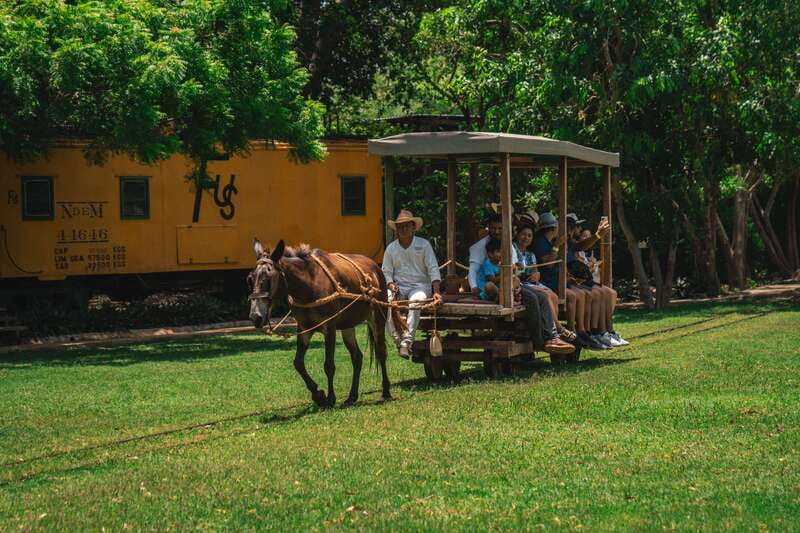
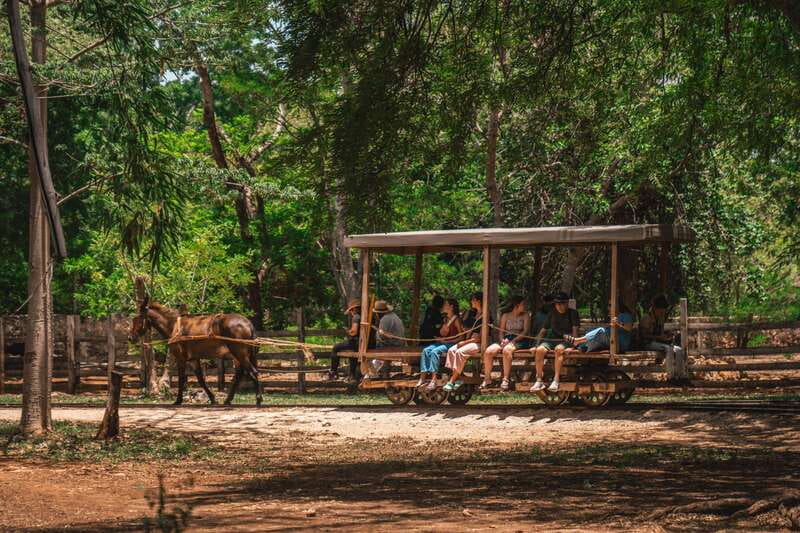
- Decauville rails mule trucks: Ride wooden platforms pulled by mules, just like workers did in the hacienda’s working years
- Sisal-to-fiber production walkthrough: See the transformation stages from agave plants to finished fiber products
- Working machinery, rebuilt to operate: Watch heritage equipment that has been restored to precise working condition
- Typical Mayan house visit: A short stop that adds regional culture to the plantation story
- Cenote Dzul Ha swim time: Refresh in alkaline, freshwater with impressive cave formations lit for viewing
- Lunch at Restaurante KIH: A sit-down meal that turns the day’s learning into a calmer break
Other cenotes within half an hour of the 307
- Chichen Itza, Private Cenote/Food Experience & the magic Izamal★ 5.0 · 385 reviews
- Chichen Itza, Cenote Swim & Izamal Magic Town with Buffet Lunch★ 4.5 · 317 reviews
- From Merida: Chichen Itza Tour, Izamal, Cenote Ik Kil and Food★ 5.0 · 246 reviews
- Merida : Guided tour of Uxmal, Kabah and Cenote with Lunch★ 4.5 · 156 reviews
Hacienda Sotuta de Peón: why this hacienda still feels real
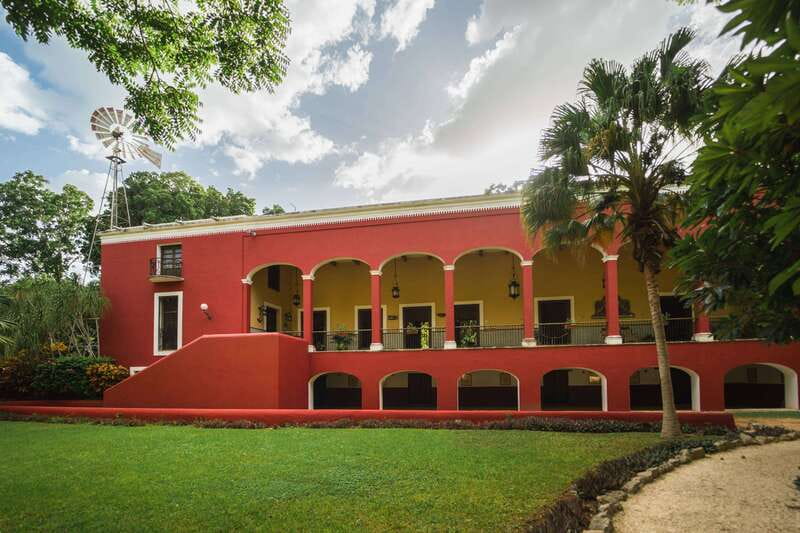
Sotuta de Peón is not just a pretty, restored property. It is built on the boom-and-bust story of the Yucatan’s henequen industry, when sisal fiber drove a major economy and then faded after materials like nylon and plastics changed demand. The site you see today was abandoned for decades and later rescued and restored, so the emphasis is on “how it worked,” not only “what it looks like.”
When you walk the grounds, you are getting context for why this plant mattered. The guide explains how henequen became this region’s green gold, and then how the decline reshaped the haciendas. That arc helps the rest of the tour click, especially the machinery stop and the fiber demonstrations.
My favorite part of places like this is the practical education. You are not stuck reading panels. You are watching steps of production, then connecting them to the final fiber uses you can recognize in everyday life, from rope to twine.
The mule-powered truck ride through henequen fields on rails
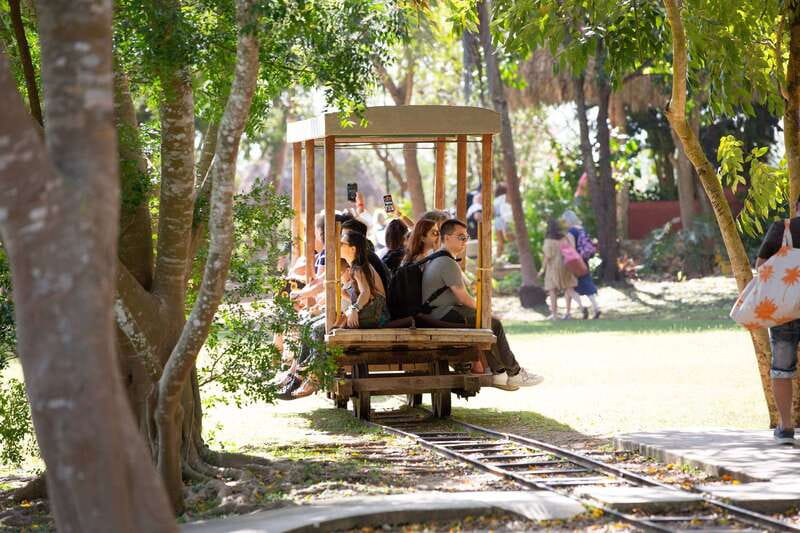
The half-day tour really kicks into gear when you board the hacienda’s wooden platforms, nicknamed Trucks, and ride on rails. The concept is simple and memorable: mules pull the trucks along Decauville-style rail lines across the plantation area. It is slow enough to take in the views, but it still feels like a moving piece of history.
I like this segment because it is more than transport. The ride acts like a bridge from what you learned inside the production areas to what you will see at the cenote. You get that in-between moment where the plantation stops being abstract and becomes something you are physically moving through.
Practical tip: wear shoes you are comfortable walking in. You will be on uneven ground at multiple points, then later you will head toward the water, where you may want a quick-dry setup for after your swim.
Also, keep your expectations aligned with group travel. Even with a small group option, you are riding with other people, and that means pacing depends on how the group stays with the guide during transitions.
Watching sisal become fiber, then products you can picture
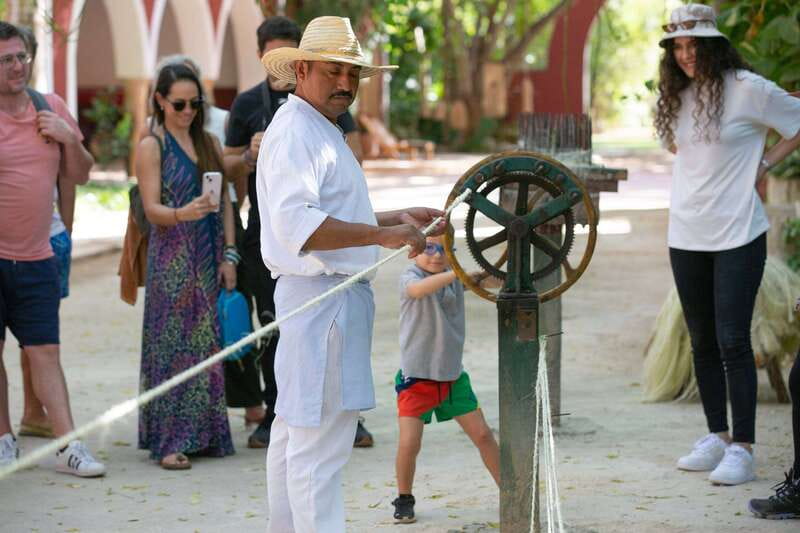
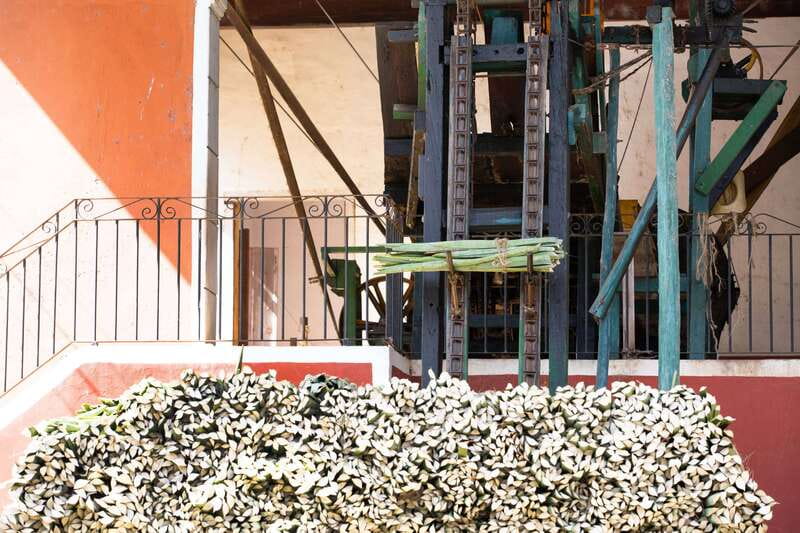
This is the core of the experience, the part with the most educational value for most people. You start with the agave plant and follow the process through fiber transformation stages, guided step-by-step. The tour highlights the route from leaves to fiber, and from fiber to finished products.
You will see ancient production machinery that has been rebuilt to operate as it did at the height of production. That detail matters, because seeing the tools at rest is one thing, but watching them run or demonstrating how parts work brings the “factory” to life. If you like how things are made, this will be your favorite section.
The tour also uses specific descriptions for what you are seeing, including how pulp and liquid are separated from the fiber, and how fiber is prepared for different uses. In at least one reported experience, the demonstration went as far as showing combing and spinning, then twisting fibers into rope of different thicknesses. Even if your timing varies, you should expect this to be a real production-style explanation rather than a quick overview.
If you get a guide who is passionate, it really helps. One traveler specifically praised Evan for clear English and enthusiasm for the subject. Another mentioned Philip as a strong bilingual guide who explained the hacienda and sisal process well from start to finish. Either way, listen for the guide’s explanation of each step, because it becomes the story you carry into the cenote.
The typical Mayan house stop: short, but adds context
A visit to a typical Mayan house is included, and it is a useful pause between the industrial machinery and the water stop. Even though it is not the longest segment, it gives you regional human context, not just a factory timeline.
Think of it as your moment to shift gears. Up to this point, you have been focused on fiber production and restored machinery. This small stop helps you remember that the hacienda story sits alongside everyday life in the Yucatan, not separate from it.
How to make the most of it: ask yourself what parts of the house reflect local materials and regional living patterns. Even a brief cultural stop can feel more meaningful when you connect it to your earlier learning about the land and the plants.
Cenote Dzul Ha: your swim stop, with facilities and cave lighting
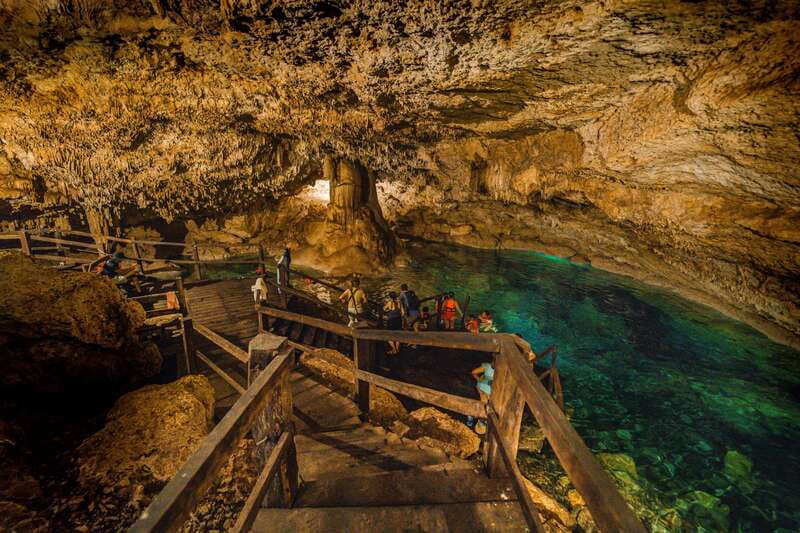
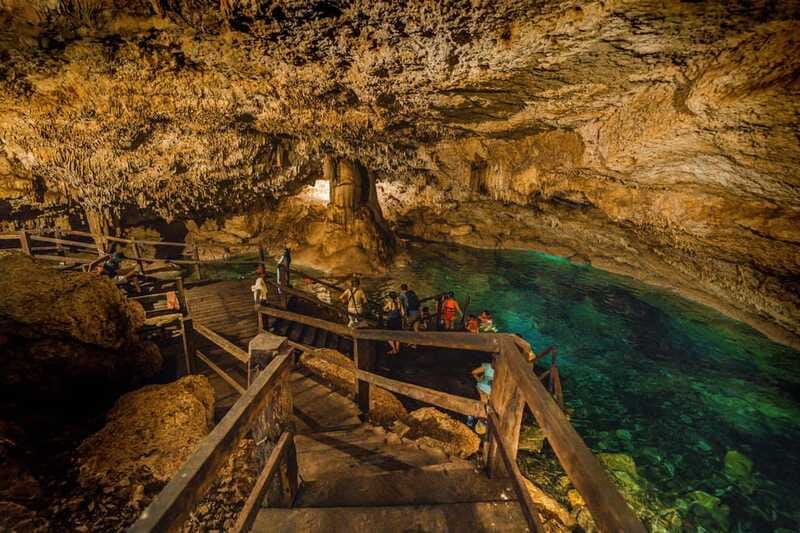
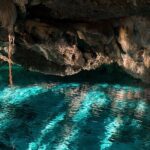
After the production story, you head to Cenote Dzul Ha, often described as magical for a reason. The key detail is water clarity and the way the underground space looks when it is lit. You get time to swim in crystal-clear water and see unique geological formations in the cave area.
This is also where practicalities matter. The tour is set up so you can transition from the rail ride into water activities without panicking. Facilities are mentioned, including bathrooms, showers, and changing rooms. There is also a bar area and space to relax while you cool down after swimming.
Bring your towel and swimwear. You will want something dry to move into after the cenote time, and the short waiting periods between steps are easier if you are prepared.
One more option you should know about: the site mentions a huge swimming pool surrounded by lush gardens if you prefer not to swim in the cenote. That means you can still get water time even if the cave conditions do not work for you on the day.
If you are sensitive to temperature changes, treat the cenote swim as an intentional cold-to-cool moment. Reviews describe the water as refreshing and clear, so plan to enjoy it, not fight it.
Restaurante KIH lunch: when the meal feels like part of the tour
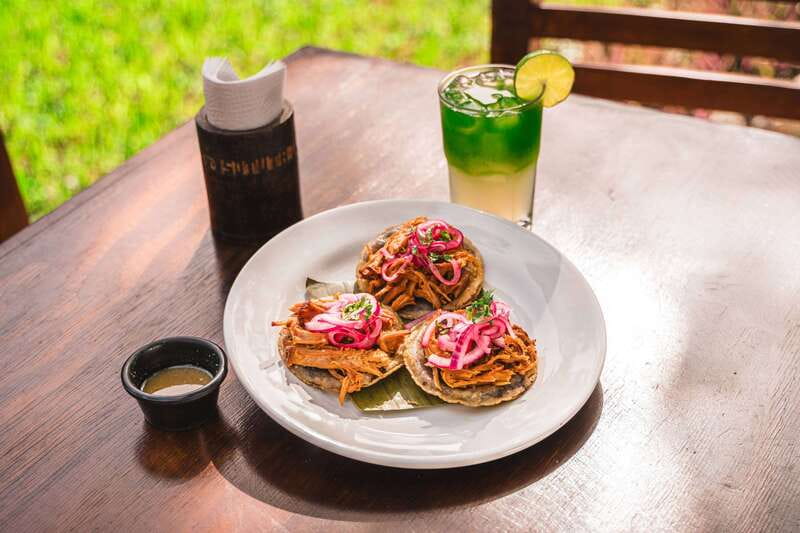
You end up eating on-site at Restaurante KIH, and that matters because it keeps the day flowing. Instead of rushing back to Merida to find lunch, you stay with the site’s rhythm, digest what you learned, and then head back.
The lunch duration is listed as about 30 minutes, but the meal experience can feel longer because it is described as a multi-course lunch in at least one account. That 4-course structure is part of why people call it good value, not just food served at the end.
Along the way, appetizers are included, and additional snacks and drinks were specifically praised. The overall effect is that you are not starving between the hacienda tours and the cenote swim, which keeps the experience from feeling like a checklist.
My advice: eat earlier bites slowly. The day mixes walking, explaining, then swimming. If you rush lunch, you might feel it later during the return.
Price and value: is $58 a fair deal for a half day?
At $58 per person for a 3 to 4.5 hour tour, you are paying for more than admission to a pretty site. You are paying for guided interpretation of a production process, plus a guided cenote swim experience, plus included food elements.
Here is where the value shows up:
- Hands-on production explanations: This is not just viewing a museum. You are walking through a working-style narrative of how sisal became fiber and products.
- Cenote time with a true water facility setup: Bathrooms, showers, changing areas, and relaxation space reduce friction.
- Food included: With appetizers and lunch built into the flow, you are not budgeting extra on the fly.
One extra note on value is timing. Some transport options start early in the day. One traveler noted transport from Merida around 7:50 for a 9:00 tour start, and they also recommended reserving transportation. That early timing can be worth it if you prefer not to wrestle with logistics yourself.
So, if you want a solid, story-driven half day that combines history with a real swim, this price is easy to justify.
Group size, language switching, and the one real drawback
The overall reviews tilt strongly positive, but there is one drawback worth planning for: group behavior. One traveler described that the tour felt disrupted when guests spoke to each other while the guide was talking, especially as the guide switched between Spanish and English. They also mentioned a couple with very young children who were crying and needed constant managing, which caused them to miss parts of the explanations in buildings.
I cannot control the group you get, but you can control how you handle it. If you care most about the explanations inside the hacienda buildings, position yourself where you can hear the guide. If you tend to get frustrated by background noise, choose a time slot and group size option that feels calmer to you.
Also, know that this tour is guided in Spanish and English. That is a plus, but it does require attention. When the language shifts, you might miss a piece if you are distracted. Treat it like a live class: lean in when the guide is speaking and tune out the noise around you.
One more practical mismatch: wheelchair-related notes are contradictory in the provided details. The tour lists wheelchair accessibility, yet also states it is not suitable for wheelchair users. If mobility needs apply, you should confirm directly before booking so you do not waste time.
Should you book the Hacienda Sotuta de Peón henequen and cenote tour?
Book it if you want a half-day in Merida area that combines three things most people rarely get together: sisal production history, a mule-rail field ride, and an actual cenote swim with clear water and cave formations. I especially think it suits people who enjoy seeing how something is made, not only hearing about it.
You might skip it if you dislike group settings, want private attention inside the buildings, or need a plan that is certain for wheelchair use based on the contradictory access notes. And if you are not a swimmer, you should still be okay thanks to the pool option mentioned on-site.
If your goal is a memorable day with real texture, this is a strong choice. You leave with images that make sense, how the fiber was produced, and why this region’s plant economy mattered, plus the relief of cooling off in Cenote Dzul Ha.
FAQ
How long is the tour?
The duration is listed as 3 to 4.5 hours, depending on the starting time and the way the day is run.
What does the tour include?
The included highlights are appetizers, a guided hacienda experience, lunch (about 30 minutes), a visit to a typical Mayan house, a ride on mule-powered trucks, and a visit to cenote Dzul Ha with time to swim.
What should I bring for the cenote?
Bring a towel and swimwear.
What languages is the guide available in?
The live tour guide is listed in Spanish and English.
Is transportation from Merida provided?
Meeting point can vary by option, and some experiences include transport from Merida. Pickup times can be early if your option includes it.
Are pets allowed?
Pets are not allowed.
Is the tour wheelchair friendly?
The information provided includes both a wheelchair accessible note and a note that the activity is not suitable for wheelchair users, so it is best to confirm with the provider before booking.
If you want, tell me your exact month and whether you prefer private transport or meeting at the hacienda, and I’ll help you pick the start time that best fits your day.
More Tours in Merida


More Tour Reviews in Merida
Three More Cenotes Worth the Drive
Just reviewed around Merida



Riviera Maya Cenote Tours, compared.
 ★ 4.5Chichen Itza, Cenote & Valladolid Tour with Tequila and LunchFrom $3415,789 reviews
 ★ 4.6Chichen Itza, Cenote & Valladolid Tour with LunchFrom $496,722 reviews
 ★ 5.0Early morning Chichen Itza Tour: Cenote and Tequila TastingFrom $266,657 reviews
 ★ 5.0Viator Exclusive: Tulum Ruins, Reef Snorkeling, Cenote and CavesFrom $1294,242 reviews
 ★ 4.5ATV Adventure, Interactive Bridges, Ziplines, Cenote and LunchFrom $493,903 reviews
 ★ 4.5Cancun Best ATV Tour, Ziplines and Cenote Swim with LunchFrom $483,406 reviews
 ★ 4.5Tulum Ruins and Cenote Guided Tour, from CancunFrom $492,592 reviews
 ★ 5.0Chichen Itza Gastronomic, Valladolid and Cenote ExtremoFrom $292,558 reviews
Also on these lists