
Review · DESSERT TOURS
Casa Cacao – Journey From Cacao Bean to Chocolate
Chocolate starts with a single bean. This class in Mérida maps the whole journey from cacao to chocolate, and you get to do the key steps yourself, not just watch. I especially loved the cacao varieties lesson and the make-your-own chocolate bar part. One consideration: it is a small, set-time workshop, so if you like roaming slowly, you may feel a bit rushed in the 2-hour window.
I also liked how the experience stays human and local, guided by Josh Nisenfeld in English, with a group capped at 7. That small size means more time to ask questions, taste carefully, and get feedback on your chocolate bar.
Key Things to Know Before You Go
- You taste as you learn, from a traditional Mexican cacao-style drink to dark, milk, and white chocolate
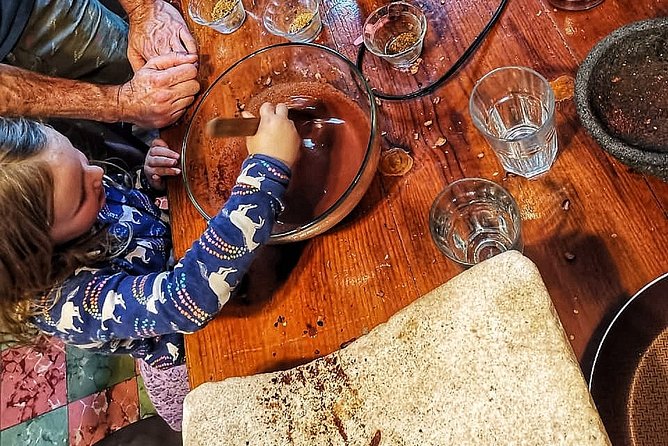
- You grind roasted beans, turning the bean education into a real sensory experience
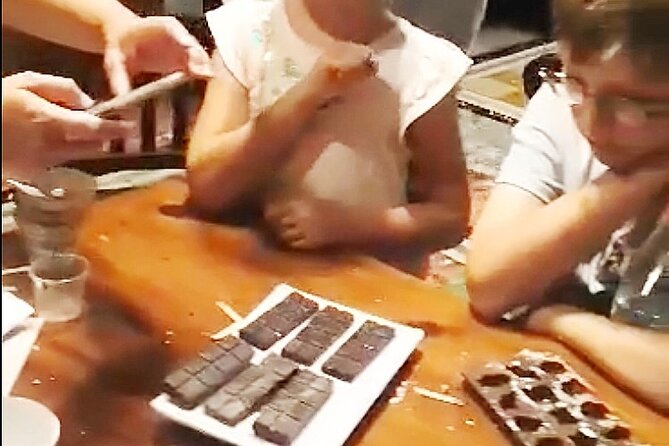
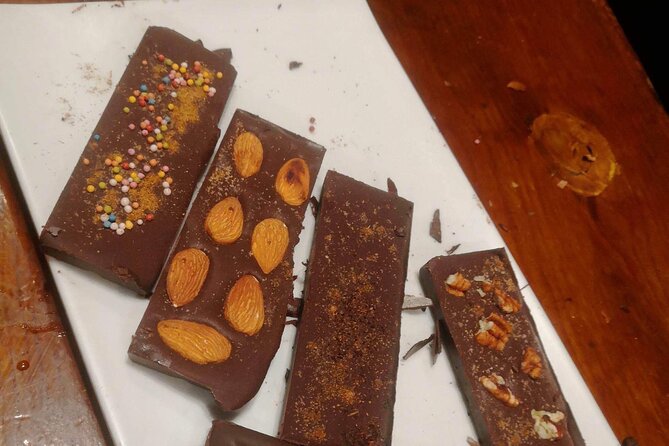
- You make a chocolate bar to take home, so the class has a payoff beyond your palate
- You learn the plantation to processing chain, connecting farm reality to what ends up in the bar
- Josh Nisenfeld guides in English, with plenty of room for questions in a small group
A few more days out on this stretch of coast
- Tour to Uxmal Kabah and Chocolate Museum from Mérida★ 4.5 · 102 reviews
- Mérida: Uxmal, Cenote and Chocolate Museum Choco-Story★ 4.8 · 57 reviews
- Uxmal and Kabah Ruins Tour with Chocolate History★ 4.5 · 54 reviews
- Private Tour Uxmal Ruins and Chocolate Museum plus Cenote★ 5.0 · 43 reviews
Where You Start: C. 49 499b, Parque Santa Ana
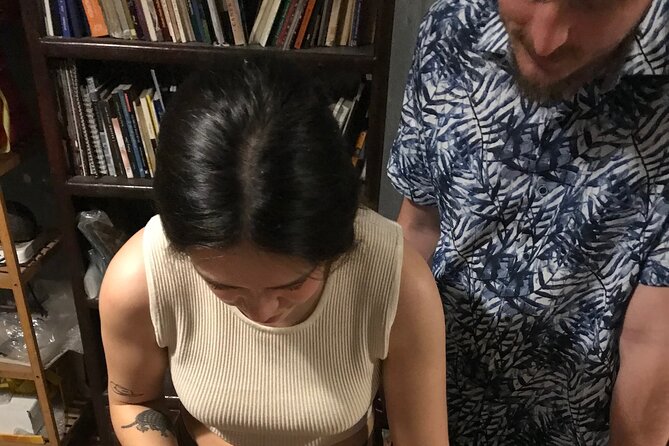
The workshop meets at C. 49 499b, Parque Santa Ana, Centro, Mérida, in the historic core. The location matters because you are not tucked into a far corner of the city. You can usually fit this into a day that includes walking around Centro.
The session ends back at the meeting point. So it is easy to plan around it. If you are pairing this with dinner, you will want to leave yourself enough time to cool off and still enjoy Mérida after the tasting.
The vibe is not flashy. This feels like a real food class inside a long-standing local building. That style tends to make the chocolate talk more practical, because you are in the middle of the process, not in a showroom.
What 2 Hours of Chocolate Education Actually Feels Like
This is about a 2-hour guided experience that moves at a comfortable pace. It is long enough to teach the chain from cacao to chocolate, and short enough that you will not get fatigued. You are actively involved for most of the time, especially during the grinding and the bar-making.
I like workshops like this because the learning sticks. You do not just hear about cacao flavors. You handle roasted beans, mix traditional ingredients, and taste what results. It becomes easier to understand why certain chocolates taste the way they do.
Timing is also practical. The workshop runs multiple windows on Monday through Friday, including late morning through the evening. That flexibility helps if you already have plans earlier in the day or if you want a nighttime activity that is still calm.
Cacao Bean Tasting: Learn Differences Before You Grind
One of the smartest parts of the class is the early focus on examining cacao beans and learning about the process that happens on the plantation before beans ever reach your cup.
Even if you have tried chocolate before, cacao can surprise you. The seeds look similar, but the flavors and qualities depend on how cacao is grown, processed, roasted, and handled afterward. In this workshop, you are guided to see those differences as part of a real chain of decisions.
Why this matters: once you understand what influences the bean, you start tasting chocolate with a purpose. You stop asking if chocolate is good or bad, and start noticing what is happening in the flavor. You pick up on the “why” behind the cup you are tasting later.
Also, the class keeps the attention on Mexico as a chocolate birthplace of sorts, historically. You will learn how cacao became part of long-running Mexican food culture, and how those early uses shaped the drink and the approach to chocolate.
Grinding Roasted Beans and Building the Flavors
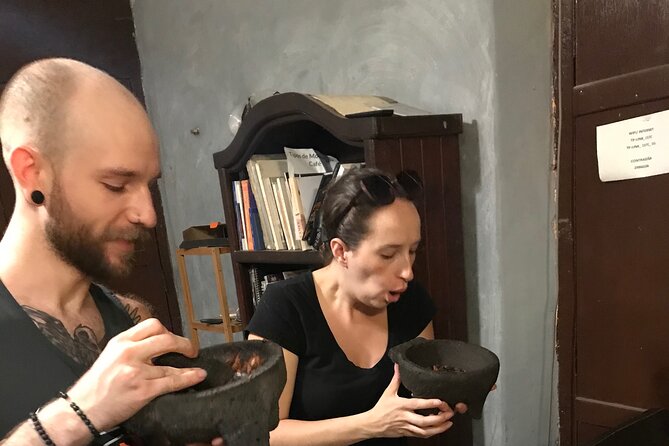
After you learn the background, the class gets hands-on. You grind roasted beans and mix traditional ingredients together. This step is where the chocolate education turns physical.
Grinding changes everything. It affects aroma, texture, and how flavors come forward. When you do it yourself, you start to understand that chocolate is not a single product. It is a process, and small changes along the way change the result.
The mixing phase is where you learn what makes a traditional Mexican cacao drink distinct. The goal here is not to turn everything into a sweet dessert. It is to experience chocolate as a beverage and as a foundation that can become both drinks and bars.
If you like food classes, you will appreciate the directness. This is not a lecture you survive. You are making progress in front of you, and you taste what your ingredients and method produce.
Tasting a Traditional Mexican Chocolate Beverage
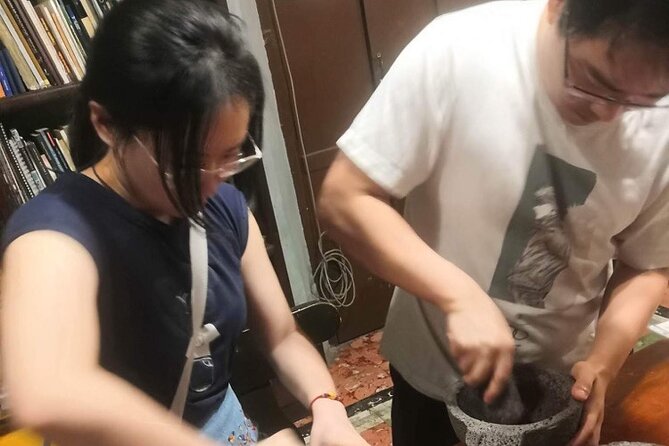
Once your mixture is ready, you taste the beverage that has been enjoyed in Mexico for a very long time. The point is not to chase one exact flavor profile. It is to understand cacao as a cultural food, not just a candy.
I find it helpful to approach tasting with curiosity instead of expectations. Some people expect chocolate to taste like a milk chocolate bar. A traditional cacao drink can be different, sometimes deeper, sometimes more intense, and often less sweet than what you might be used to.
That is exactly why I like this part of the experience. You get a baseline. Later, when you taste the molded chocolates, you will understand the shift from drink to confection, and from cacao base to modern processing.
You also get the benefit of being guided in English, which helps a lot if you are picking up Spanish terms or food vocabulary on the fly. You can ask questions and keep your understanding clear.
From Traditional Drink to Modern Chocolate Products
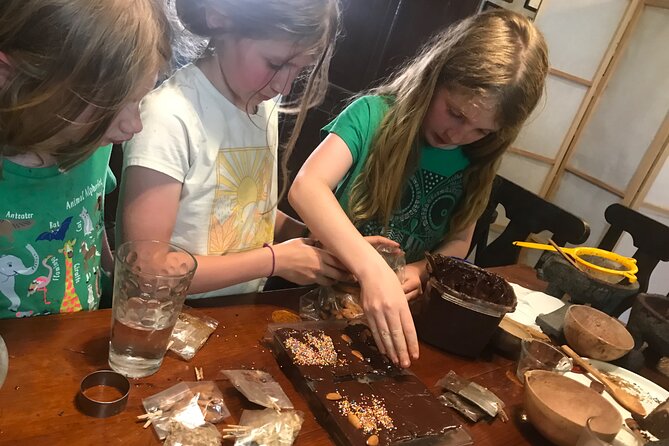
After the beverage tasting, the class turns to the modern side of chocolate. This is where the menu helps: you get dark chocolate, milk chocolate, and white chocolate to sample.
This section is valuable because it shows how far chocolate can travel from one starting point. Same cacao base idea, but different processing, different balances, different outcomes. You get to taste the spectrum and connect what you learned about beans and grinding to what ends up in bars.
It is also a good chance to ask yourself what you prefer. Some people discover they enjoy darker flavors more than they expected. Others realize they like the smoother sweetness of milk chocolate. Either way, you leave with a more personal understanding, not just a souvenir photo.
A practical takeaway for your future tastings in Mérida: you will likely pay closer attention to how chocolates are described, and you will be better at separating marketing from actual flavor.
Make Your Own Chocolate Bar to Take Home
The final payoff is the part you cannot fake: you make your own chocolate bar to take with you.
This step is more than a craft activity. It is a way to lock in the learning. When you pour, shape, and set your bar, you see how the chocolate becomes a product. You watch it transform from ground cacao and ingredients into something solid, portable, and shareable.
Why it feels worth it: a lot of food tours give you a taste and a story. This one adds a finished item. You get a take-home reminder that you can open later and reflect on. It turns the workshop into an experience with follow-through.
If you are traveling as a couple or with friends, it is also an easy way to share your day. You can hand out bites later and compare notes, and you will already have the vocabulary from the class.
Josh Nisenfeld and the Small-Group Advantage
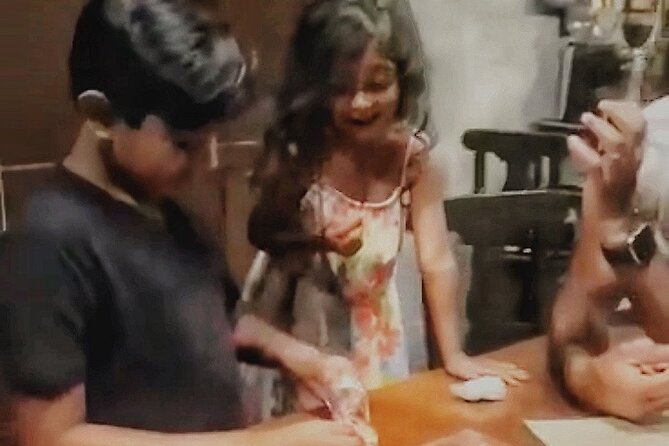
A big reason people love this class is the guiding style of Josh Nisenfeld. The tone is warm and relaxed, and the learning stays centered on chocolate and the culture around it.
You get time to ask questions without feeling pushed along. With a maximum group size of 7 travelers, this does not feel like a crowded show. It feels more like a conversation where you keep tasting and building.
One extra bonus from Josh that I really like, because it shows the class connects to real life: he shares local ideas beyond chocolate. In particular, people mention his advice for where to go and, in a fun detail, asking him about honey bees. That kind of local angle makes the workshop feel less like a tourist bubble.
Practical Tips So You Enjoy Every Step
Here are a few things that can help you get the most out of the session.
- Arrive a few minutes early so you can settle before the tasting starts.
- Plan for the timing of your day since the session runs in scheduled windows on weekdays.
- Come hungry enough to taste well, but not so full that you cannot enjoy the beverage flavors. Chocolate is food, not just a snack.
- Ask questions as you go, especially when you see the process shift from bean examination to grinding to making the drink and later the bar.
If you are sensitive to strong aromas or prefer very sweet flavors, tell your guide. I would rather adjust the tasting experience early than spend the whole class hoping it gets sweeter.
Who This Workshop Is Best For
This is a strong fit if you want a hands-on food experience that still has cultural context.
You will especially enjoy it if:
- you like cooking classes or tasting workshops
- you want to understand cacao beyond basic chocolate brands
- you travel with kids or teens who do well with activities they can make themselves
- you like learning from a guide who is comfortable with questions
It may be less ideal if:
- you dislike guided activities and prefer self-paced exploring only
- you want a long, leisurely tour that feels like wandering
- you only want chocolate desserts and do not care about cacao as a beverage
Value in the Real World: What You Get for Your Time
Even without knowing exact pricing, the value here is easy to judge based on what is included.
You are paying for:
- guided cacao to chocolate education in English
- time to grind roasted beans and mix traditional ingredients
- tasting of a traditional Mexican cacao beverage
- sampling dark, milk, and white chocolate
- hands-on production of a chocolate bar you take home
- a small group format that keeps attention on you instead of on the entire class
For me, the key value signal is the take-home bar plus the multi-step process. That is a lot to fit into 2 hours, and it makes the experience feel complete rather than one-note.
Also, since the class is capped at 7, it is not a mass activity. The guide can react to your questions and your pace. That matters if you truly want to learn, not just collect snacks.
Should You Book Casa Cacao in Mérida?
I recommend booking if you want a short, memorable chocolate lesson that goes beyond eating. The combination of bean focus, hands-on grinding, traditional drink tasting, and making a chocolate bar to take home is a smart mix. It is also a good choice for travelers who want a small-group experience with a friendly guide.
I would hesitate only if you are strictly dessert-only and do not want to participate in the ingredient and beverage side of chocolate. But if you are curious about how cacao becomes chocolate, this workshop is one of the more practical ways to spend 2 hours in Mérida.
If your plan includes Centro sightseeing anyway, it is easy to slot in. Come with questions, take your time tasting, and ask Josh about the honey bees if the topic comes up.
FAQ
How long is the Casa Cacao workshop?
It runs for about 2 hours.
Where does the tour start?
The meeting point is C. 49 499b, Parque Santa Ana, Centro, 97000 Mérida, Yuc., Mexico.
Does it end back at the meeting point?
Yes, the activity ends back at the meeting point.
Is the workshop offered in English?
Yes, it is offered in English.
What kind of chocolates and tastings are included?
You will taste dark chocolate, milk chocolate, and white chocolate, and you also taste a traditional Mexican cacao beverage.
How large are the groups?
The experience has a maximum of 7 travelers.
Is free cancellation available?
Yes. You can cancel for a full refund up to 24 hours in advance of the experience start time.
Is it close to public transportation, and are service animals allowed?
Yes, it is near public transportation, and service animals are allowed.
More Dessert Tours in Merida


More Tour Reviews in Merida
Just reviewed around Merida

Dessert Tours, compared.
 ★ 5.0Chocolate & Margarita WorkshopFrom $45207 reviews
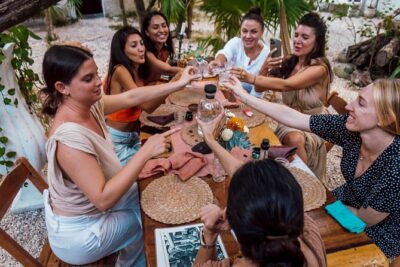 ★ 5.0Artisanal Mezcal and Fine Chocolate TastingFrom $89132 reviews
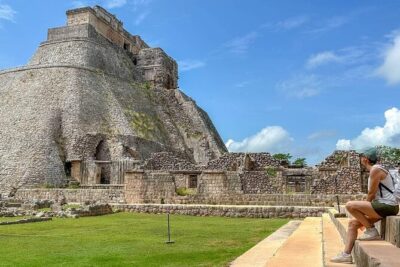 ★ 4.5Tour to Uxmal Kabah and Chocolate Museum from MéridaFrom $81102 reviews
 ★ 5.0Chocolate WorkshopFrom $3992 reviews
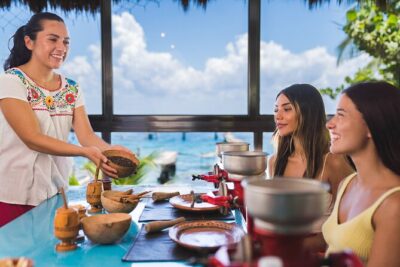 ★ 5.0Chocolate Seaside Workshop & Wine TastingFrom $4876 reviews
 ★ 4.8Uxmal, Cenote and Chocolate Museum Choco-StoryFrom $8557 reviews
 ★ 4.5Uxmal and Kabah Ruins Tour with Chocolate HistoryFrom $10454 reviews
 ★ 5.0Private Tour Uxmal Ruins and Chocolate Museum plus CenoteFrom $36043 reviews
Also on these lists