
Review · SCUBA DIVING
Two tanks local diving for certified divers, SCUBA gear included
Reef time in Costa Maya stays surprisingly easy. I love the small-group feel and the way this is set up as a two-tank SCUBA reef tour with equipment and water handled for you. It’s also the kind of cruise-port outing where you can get in real time underwater without spending the whole day traveling. One possible drawback to plan for is that visibility can vary a lot, since the area is weather dependent, and current can shape which exact reef spots you’ll visit.
What makes this outing particularly attractive is the location and pacing. You meet in Mahahual close to the main cruise area, do both sessions from a boat, take a surface interval at the beach, and then you’re back at the same meeting point. Expect around 3 hours 45 minutes total, with the experience offered in English and a max group size of 16.
Key Highlights Worth Clearing Your Calendar For
Two-tank reef plan designed for certified SCUBA participants with depth set based on your level and experience
Small group limit of 16 and a close guide-to-participant ratio up to 1:5 for more hands-on attention
SCUBA gear included, plus complimentary bottled water to keep you comfortable between sessions
Short boat rides to the Mahahual reef area, which helps maximize your actual time underwater
A beach rest between the two underwater sessions, so you’re not rushed while refueling and regrouping
More dives along the same wall
- Two tanks local diving for certified divers, SCUBA gear included★ 5.0 · 122 reviews
- Discovery Scuba Dive.★ 5.0 · 103 reviews
- PADI Discover Scuba Diving★ 5.0 · 99 reviews
First, Know What This Is: A Certified, Boat-Based Reef Plan
This is a two-tank outing in the Mahahual reef area near Costa Maya, designed for people who are already certified SCUBA participants. The format is practical: both underwater sessions are done from a boat, and your depth and the exact plan are set based on your certification level and experience.
Why I like that approach for cruise schedules is simple. You are not doing a long, complicated day with lots of extra stops. Instead, you’re getting a focused reef experience with predictable structure: boat, underwater time, surface break, then the second session.
Also, it’s not a giant-boat cattle call. The max size is capped at 16 travelers, and the guide ratio runs up to DM 1:5, which is a real quality-of-day difference once you’re in the water and people need quick help with routine stuff.
Where You’ll Meet in Mahahual (And Why It Matters)
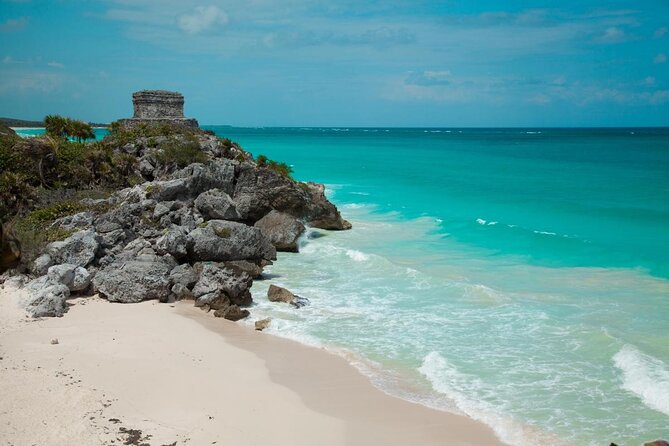
You start and end at the same meeting point: P7FW+9P Mahahual, Quintana Roo, Mexico. That round-trip simplicity is a big deal on port days. When the meeting point is the same as drop-off, you don’t need to do mental gymnastics with buses or find your way across town later.
Also, the activity is listed as near public transportation, which gives you options if you are not taking a taxi. In practice, most people on cruise days choose the easiest ride to the shop, but the key takeaway is that this is close enough to run as a true port activity rather than a half-day expedition.
Plan for an on-time arrival. Confirmation comes at booking, and you’ll use a mobile ticket. If you’re docking day late, it can compress everything, so I’d treat this like a “show up early, relax later” kind of plan.
Getting on the Water: Short Boat Ride, Then Reef Time
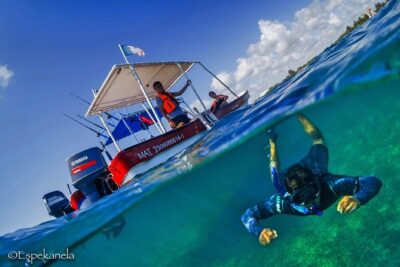
Once you’re set, the tour runs as a boat-based reef experience. You’ll travel from the shop area to the reef sites on a short boat ride, then enter the water for your first session.
From the feedback you shared, one consistent theme stands out: the crew works hard to keep the process calm and organized, even when you have a group with different experience levels. Some people noted full-service handling, like equipment being carried onto the boat, which saves you that last-bit-of-stress energy when you’re managing fins, weights, and a mask.
One thing to keep in mind: you might get gear assigned using equipment numbers. That’s normal for many outfits, but it also means your best move is to do a quick personal check after anything is handed to you. Make sure fins fit, the mask seals, and straps are set before you get too far away from the shop. In one less-perfect experience, the gear loading process was described as chaotic, and the lesson is the same even if your day goes smoothly: verify before you commit.
The Two Sessions: How the Day Flows Underwater
This plan is structured around two tanks. Both are boat sessions, and the timing between them includes a surface interval at the beach. That beach break is underrated. It gives you a chance to catch your breath, rinse your face if you want, and reset your gear and mindset before tank two.

First Tank
Your first underwater session is set to match certification level and experience. Some course-adjustments happen naturally in reef scouting like choosing a calm-feeling route and staying within appropriate depths.
You’ll also likely notice that bottom time can be substantial when conditions are good. In the feedback you provided, people reported around 40 minutes of bottom time on one trip at about 45 feet, and others described sessions in the 49 to 65 foot range depending on the group mix and site.
Second Tank
The second tank is again depth-appropriate for your level. Several people described a second session that went deeper than the first, including examples around the 60 foot mark.
The best part about doing two sessions instead of one is that it gives you a second chance to enjoy the reef without the pressure of making the most of a single limited window. If you were anxious earlier, the second tank often feels smoother because you’ve already handled the routine.
What You’ll See Over Mahahual Reef
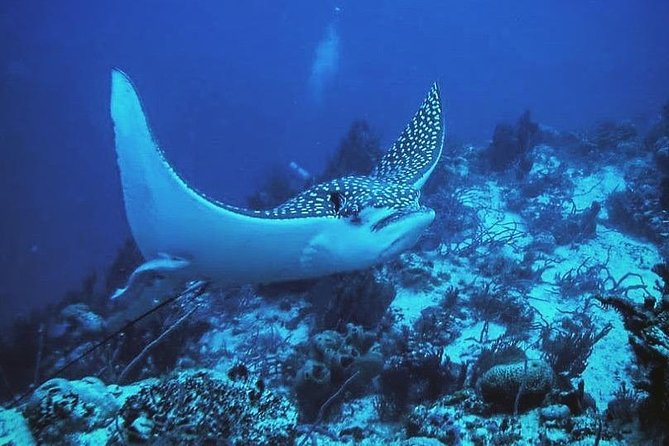
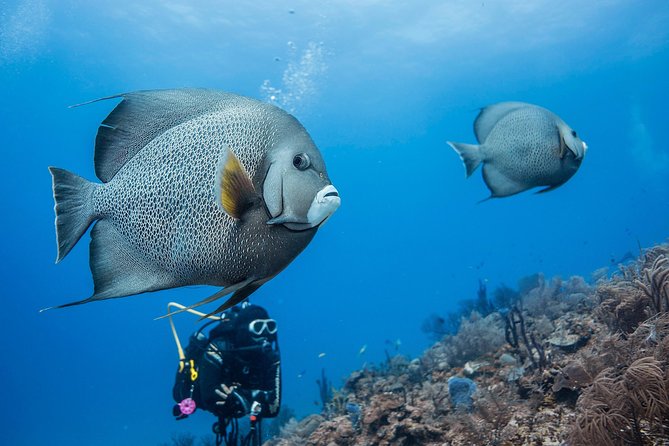
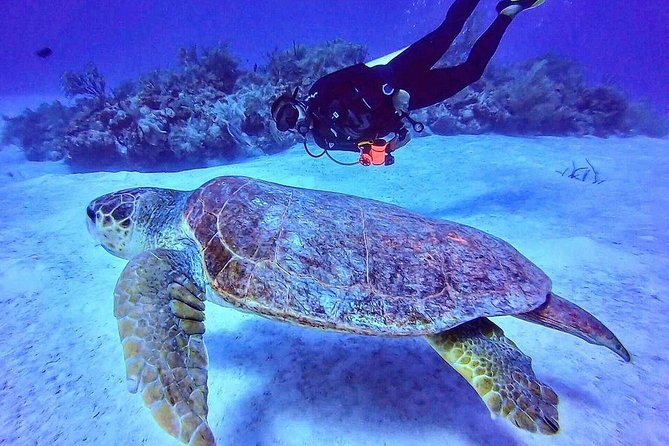
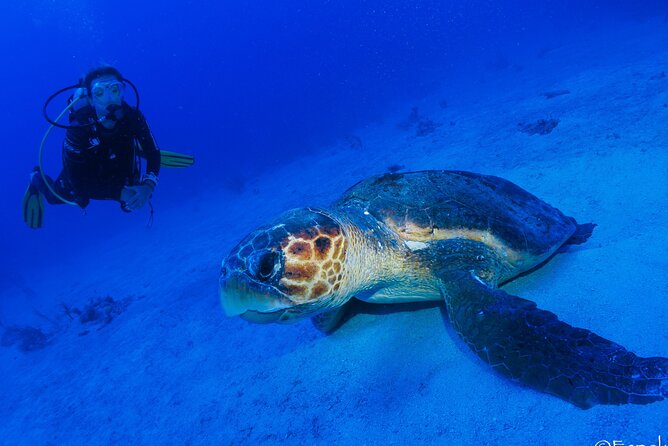
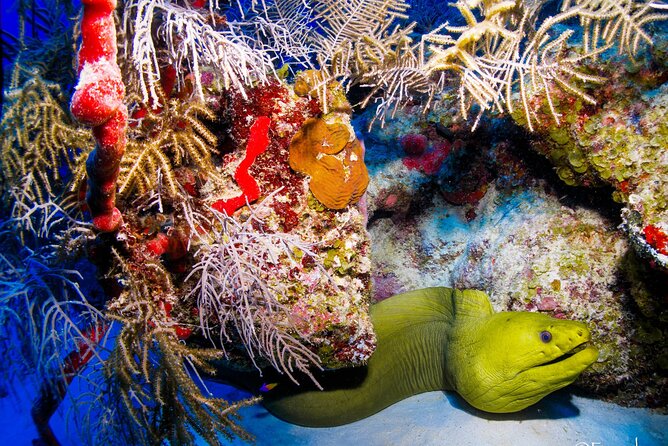
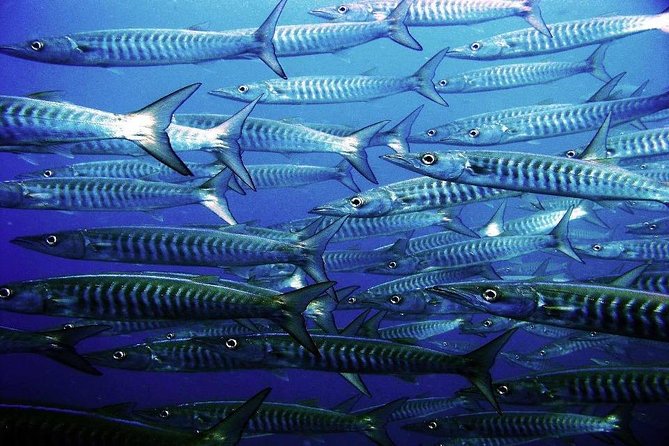
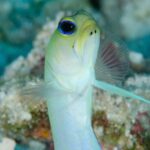
Expect reef habitat and lots of reef life in the Mahahual area. The most consistent “wow” animals mentioned in your details include sea turtles, lobsters, green eels, sea cucumbers, sting rays, and plenty of small reef fish.
A couple of practical reality checks also show up clearly in the info you shared:
- Visibility can be affected by winds and weather. In one case, visibility was estimated around 15 to 20 feet.
- Current can change what feels like a safe and comfortable route for the whole group, especially if you have participants with a range of experience.
So what does that mean for you? Go in expecting real reef life, but keep your flexibility. The crew will adapt the plan so everyone has a safe, manageable experience.
Your Crew: Names, Styles, and Why Small-Group Attention Helps
One of the best parts of this tour is the human factor. Multiple guide names appear in the feedback you supplied, and the tone is consistently about patience, professionalism, and clear communication.
A few named examples:
- Etienne, who helped someone with a refresher course feeling safe and confident
- Barry, described as attentive and friendly, and operating with a small, personalized style
- Rickie and Sebastian, praised for professionalism and responsibility for a newer certified participant
- Patrick, who took time to refresh basics without making someone feel bad for forgetting
- Gala and Brenda, highlighted for calm care, especially for someone returning after time away
- Lucia, mentioned as a helpful, professional guide in one experience where the overall match to site goals was debated
Even better than the names is the pattern: the guides focus on safety and group management. One person described ear pressure trouble during the first underwater segment and being waited on patiently until they could clear it, which tells me the crew is ready to slow down rather than force the group to move on.
That’s the kind of attention that matters more than people think. Reef life is great, but if your comfort and control are off, the whole day changes.
Equipment, Water, and Those Small Comfort Touches
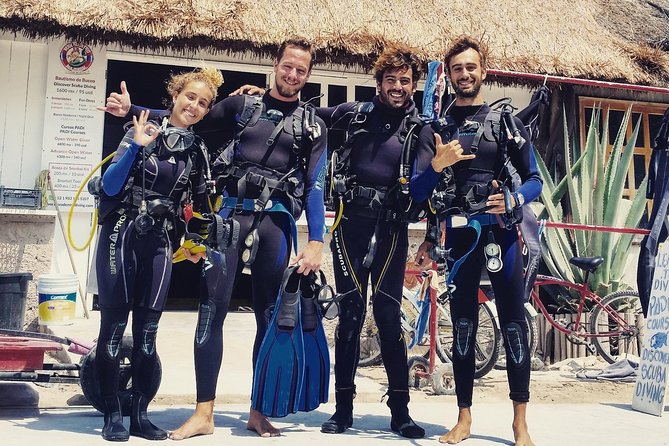
This outing includes SCUBA equipment and complimentary bottled water. That is real value on cruise day because you are not hunting for rentals and you are not carrying everything around town.
Two comfort details showed up repeatedly:
- The crew sometimes handles carrying equipment onto the boat.
- There’s a nice “between sessions” perk in the form of fresh pineapple after each underwater segment, which makes the day feel a little more like a treat than a checklist.
Also, the surface interval happens at the beach. That means you’ll likely want basics like sunscreen, lip balm, and a small towel or change of shirt. If you get cold easily, note that the water temperature is described as warm, but air temperature and wind can still feel cool once you’re out of the water.
Depth, Safety, and the Comfort Level You Should Aim For
The tour states that depth is based on your certification level and experience. So you’re not going to be pushed to a depth you’re not set for. Your role is to be honest about your comfort, especially if you’re newly certified or returning after time away.
There’s also a “moderate physical fitness level” expectation. That generally means you should be comfortable with boarding a small boat, putting on gear, and handling basic movements while fully focused.
If you have medical considerations, this is one of those times where you should be extra careful and follow your own clinician’s guidance. The plan’s strength is structured guidance, not improvising around your health.
Price and Value: What $100 Buys You on a Port Day
At $100 per person, you’re paying for two reef sessions, equipment included, a small group size, and a guide ratio up to 1:5, plus boat transport. For many cruise ports, the price ceiling is mostly driven by how much time you get and how much is included.
Here, you get a full two-tank plan rather than a single, quick taste. You also don’t have to pay separately for equipment. That combination is what makes the value feel fair, especially when you consider the location is close to where cruise passengers need to be.
Could you find cheaper options? Probably, but the trade is often smaller inclusions, bigger groups, or longer transfer times. With a max group of 16 and a structured format, this option is aimed at making the day easy to manage.
Best Fit: Who Will Enjoy This Most
This tour is a strong match if you:
- Are already SCUBA certified and want two reef sessions without a long travel day
- Prefer a smaller group feel with hands-on guidance
- Want a straightforward, port-friendly schedule with a beach break between tanks
- Like the idea of seeing reef animals like sea turtles, lobsters, and eels
It’s also a good pick for people returning after a break. Multiple notes in your details point to guides providing a refresher and extra patience so the day feels controlled.
When to Be Cautious (Or Choose Your Expectations Carefully)
I’d go into this with realistic expectations about conditions. Visibility can drop when winds rise or clouds roll in. Even then, you can still see fish and reef features, but it may not feel like the clearest water photos online.
Also, keep in mind that the exact reef choice can shift based on currents and conditions. In one case, a plan was adjusted due to conditions tied to the lunar cycle and current, which highlights that the crew is prioritizing safe, workable routes rather than a fixed checklist.
Finally, while many people praise the team’s professionalism, at least one experience described gear loading as chaotic. My practical advice is simple: check your gear fit as soon as you’re assigned it, and keep calm. A well-run day will feel smooth, and a messy moment is less stressful when you’re already confident everything fits.
Should You Book This Two-Tank Reef Tour in Costa Maya?
If you want a reliable, port-friendly two-tank SCUBA reef session with equipment included and a small-group setup, I think this is an easy yes. The strongest reasons are the close guide ratio, the pace that respects your comfort with a beach surface interval, and the repeated theme of patient, careful guidance from named crew members like Etienne, Barry, Rickie, Sebastian, Patrick, Gala, Brenda, and Lucia.
I’d only hesitate if you’re specifically chasing crystal-clear visibility no matter what the weather does, or if you’re the type who hates any uncertainty in the plan. Conditions affect reef days. When that happens, this crew appears more focused on safety and group comfort than on forcing a rigid itinerary.
If you book, do yourself a favor: arrive a little early, double-check your gear fit, bring reef-safe sunscreen, and carry a little cash for tips if that matters to you. Then let the reef take it from there.
FAQ
Is this tour for certified SCUBA participants only?
Yes. This experience is listed as local SCUBA for certified divers, with SCUBA gear included.
How many tanks are included?
You get two tanks as part of the tour.
What’s the total duration?
The tour is approximately 3 hours 45 minutes.
Do I need to bring my own SCUBA equipment?
No. SCUBA equipment is included.
Is it a boat-based experience?
Yes. The tour includes boat rides to the reef sites.
How big is the group?
The maximum group size is 16 travelers.
What language is the experience offered in?
The experience is offered in English.
What if the weather is poor?
This experience requires good weather. If it’s canceled due to poor weather, you’ll be offered a different date or a full refund.
Where do I meet, and where does it end?
You meet at P7FW+9P Mahahual, Quintana Roo, Mexico and the activity ends back at the same meeting point.
Other Dives on the Wall
More Tour Reviews in Costa Maya



Just reviewed around Costa Maya




Scuba Diving, compared.
 ★ 5.0Discover Scuba Diving in Cozumel Paradise Reef686 reviews
 ★ 5.0Scuba Diving in Cenote Dos Ojos from Playa del Carmen453 reviews
 ★ 5.0Diving in the Mexican Caribbean for Beginners | 2 Tanks 2 Dives | All InclusiveFrom $190431 reviews
 ★ 5.0Scuba Diving in Cenote Kukulkan from Playa del Carmen370 reviews
 ★ 5.0Discover Scuba Diving & Beach Club with Transportation In Riviera MayaFrom $150239 reviews
 ★ 5.0Two Tanks Scuba Diving for Beginners in CancunFrom $169233 reviews
 ★ 4.5SeaTrek Underwater Helmet Diving Experience in Downtown CozumelFrom $79214 reviews
 ★ 5.0Scuba Diving Under Water Museum and Reef for beginnersFrom $119189 reviews
Also on these lists