
Review · CANCUN TOURS
Two Dives and Class for Begginers Divers in Cancun
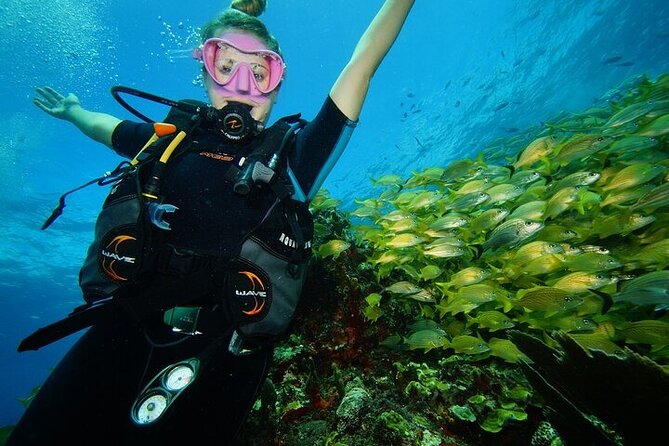
Two tanks, one confidence-building start. This Cancun beginner scuba experience is built around a small group and step-by-step coaching so you are not guessing once you hit the water. The plan goes from a simple theory check to pool practice, then two guided underwater tank sessions, and the reef sights are the real payoff. One thing to plan around: you need to wait 18 to 24 hours before flying after your last water session.
You get full scuba gear included plus weights and tanks, so your time goes to learning instead of shopping. Expect a theory and safety review, then hands-on pool skills led by instructors like Aldo and Fabio, followed by MUSA at the Museo Subacuatico de Arte and Manchones Reef. It runs about 6 hours and starts at 10:00 am at Scuba Total in the Zona Hotelera.
Key things I’d clock before booking
- Small group size (max 4) keeps the training personal and helps you ask questions fast
- Pool refresher before open water helps you practice safety drills and get comfortable with equalization
- Full equipment included means less hassle on travel days
- Two very different reef stops lets you compare art and marine life at MUSA, then natural coral at Manchones Reef
- Instructors who stay calm is a big theme, especially with first-timers who feel nervous
More that leaves from the Cancun hotel zone
- Cancun: Chichen Itza, Cenote & Valladolid Tour with Lunch★ 4.6 · 6,722 reviews
- Private Roundtrip Transportation from Cancun Airport to Cancun Hotel Zone★ 5.0 · 5,086 reviews
- Cancun ATV Jungle Adventure, Ziplines, Cenote and Tequila Tasting★ 4.5 · 4,873 reviews
- Cancun Best ATV Tour, Ziplines and Cenote Swim with Lunch★ 4.5 · 3,406 reviews
Why this beginner scuba setup works in Cancun
This course is designed for people who want the thrill of seeing reefs up close, without the chaos. The standout here is that you start with the basics in a way that feels manageable. You do not show up and get thrown into cold water, you build skill first, then move on when you are ready.
I like that the group stays small, capped at 4 travelers. That matters because scuba is technical, and confidence comes from repetition. With fewer people, the instructor can check your breathing, your hand signals, and your comfort level in real time.
Another value point is the included gear setup. You get the regulator, BCD, fins, mask, plus weights and tanks, which removes a lot of friction. In Cancun, it is easy to waste a morning chasing rentals or trying to confirm sizes and fit.
The tradeoff is also real: this is not for everyone health-wise. If you have asthma, heart issues, high blood pressure, lung disorders, epilepsy, or recent surgeries, the tour is not recommended. You will want to take that seriously, not treat it as a casual guideline.
Your day begins with a quick medical check and easy theory
Before anything touches the water, you get screened. There is a medical questionnaire to confirm you are fit for the adventure. If you are in a higher-risk category, the guidance says you should bring a doctor’s note so you do not lose the chance unnecessarily.
Then you move into a theory session with your personal instructor. It is thorough but not stuffy, covering essentials and dive safety basics in a way beginners can follow. This is where a good instructor earns their paycheck, because the rest of the day is just putting those ideas into practice.
You’ll also learn the safety framework you need for open water. Think of it as your mental playbook, so the unknowns stop feeling scary. For first-timers, that reduces panic later, especially when you are managing comfort and breathing.
Pool practice that actually prepares you for open water
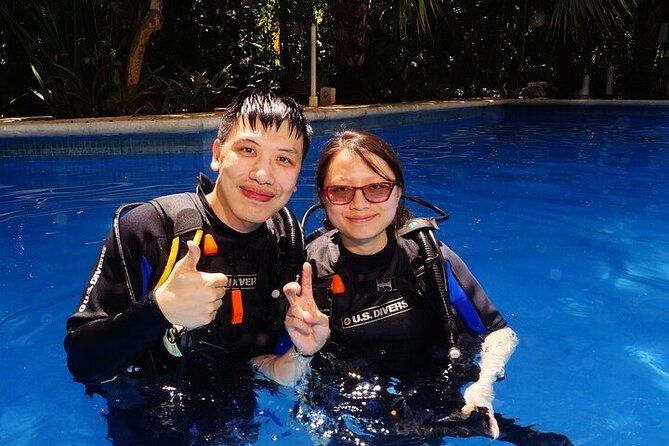
The pool is not just a formality. You get hands-on practice with your instructor guiding you through key skills and drills. The goal is simple: you should feel comfortable and confident before heading out.
In the best experiences, this pool time acts like a reset button. People who were nervous at the start often feel better after they practice the motions and see what success feels like. One theme from the team’s approach is calm, clear instruction, which shows up again and again in how they help brand-new scuba students.
You may hear instructors like Fabio repeat the basics until you get it. That patience is not about slowing you down for drama, it is about building real comfort. If you are someone who needs more time to process, this pool step is a big part of why this program earns such strong ratings.
Open-water tank session #1 at MUSA, the Museum Under the Sea
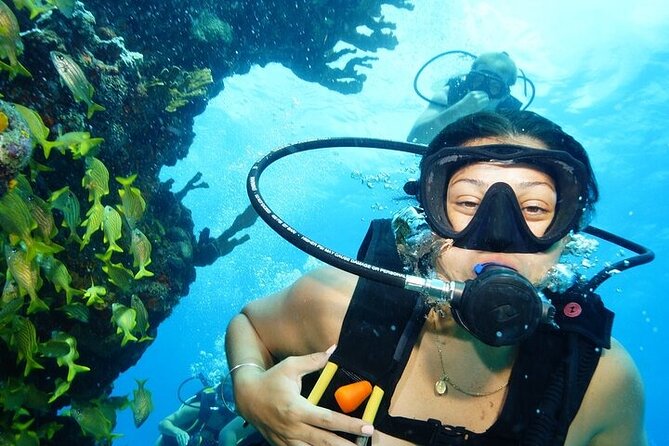
After the pool work, you head out for the first open-water underwater experience at MUSA, the Museo Subacuatico de Arte. MUSA is known for the way art and marine life share the same space. In plain terms, you get to see statues and underwater installations, while fish and coral do what they do.
This is a smart first stop for beginners because it gives you visual landmarks. When you have something to look at, it is easier to stay calm and focus on your breathing and buoyancy. Your guide can also point things out as you move along, which helps you stop thinking about yourself and start noticing the ocean.
You can expect a mix of art and marine life, including coral growth around structures. The experience is especially appealing if you are curious about what lies beyond the surface, and you like the idea of seeing something different from the standard reef-only route.
Practical note: conditions can change on the coast. Even so, the day is structured so your instructor adapts and keeps the training goals intact.
More things you can learn to make here


Open-water tank session #2 at Manchones Reef
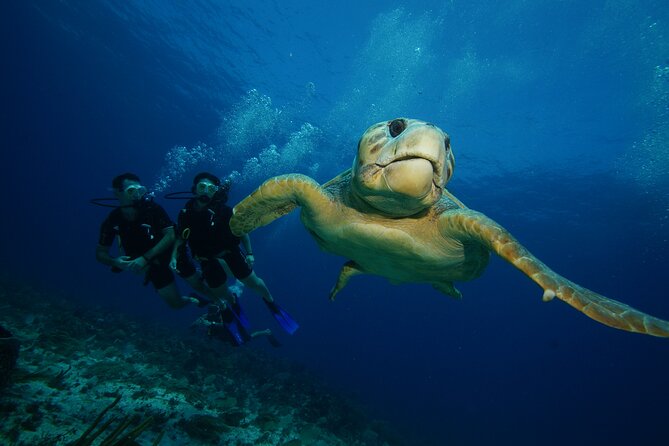
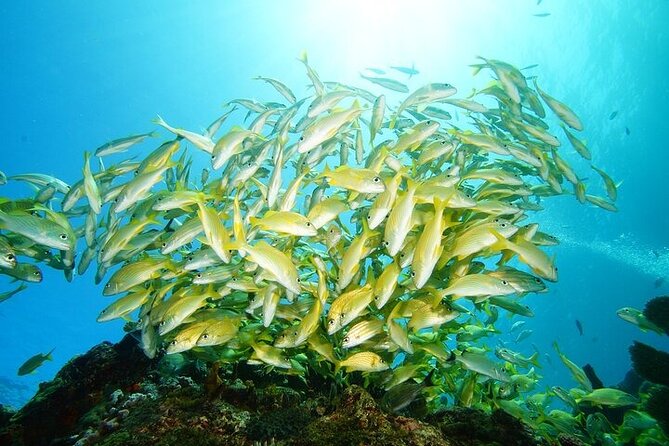
Your second underwater tank session is at Manchones Reef, a more natural reef setting compared to the MUSA artwork. Here you’re looking for coral and a bigger sense of everyday reef ecology.
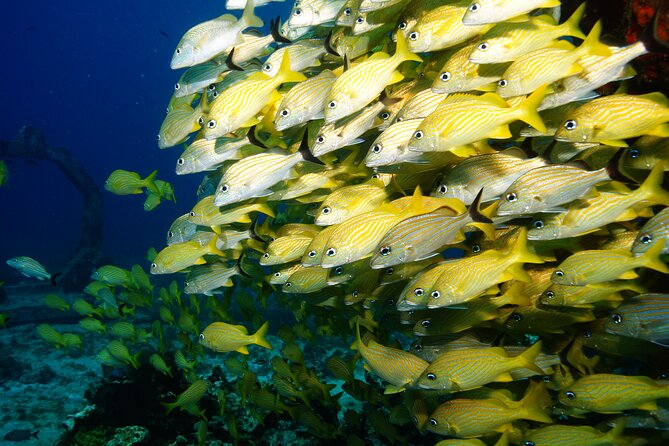
This stop is the one that rewards relaxed attention. The guide can point out small creatures and details you would miss from the surface. If you are the type who loves watching fish behavior, this second location is where the day can feel more like exploration.
It also helps that the program keeps the pacing beginner-friendly. You are not just transported to a location and told to figure it out. You are guided through the session so you can enjoy the reef instead of fighting the learning curve.
If weather is rough, the program can adjust the exact sites it uses, based on what the captain and instructor determine during the day. That adaptability is a good sign. It means safety and comfort come before check-the-box sightseeing.
Boat ride reality: seasickness, nerves, and small-group control
Boat time is part of the experience, and it is also where nerves and motion can show up. If you are prone to seasickness, the guidance is straightforward: take anti-nausea medication 1 to 2 hours before boarding. Pack it and plan it, do not wait until you feel sick.
A key detail I really appreciate is how instructors handle stress in the moment. In real first-time situations, equalization can be tricky. Some new students worry at the surface or feel panicky during descent. The training team’s approach described in feedback includes staying in control, calming the diver down, and using breathing exercises so the student can safely continue.
That kind of response matters because scuba is not just physical skills, it is emotional control too. When the guide treats panic as something to manage, the whole experience feels safer.
With a maximum group size of four, the guide also has less to juggle. You are more likely to get personal attention, fewer hands on your gear at once, and clearer check-ins throughout.
Gear, weights, and what to bring so the day feels smooth
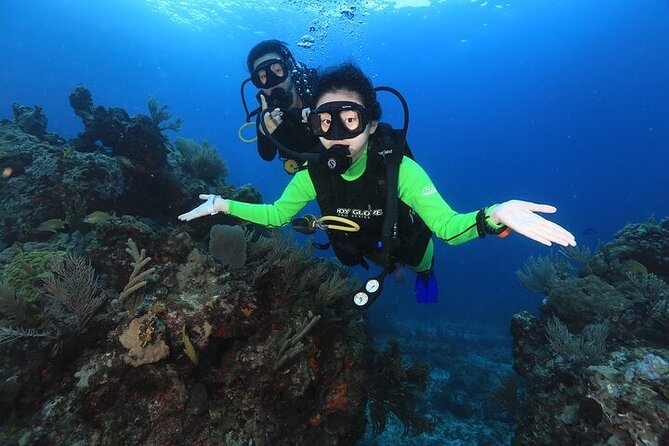
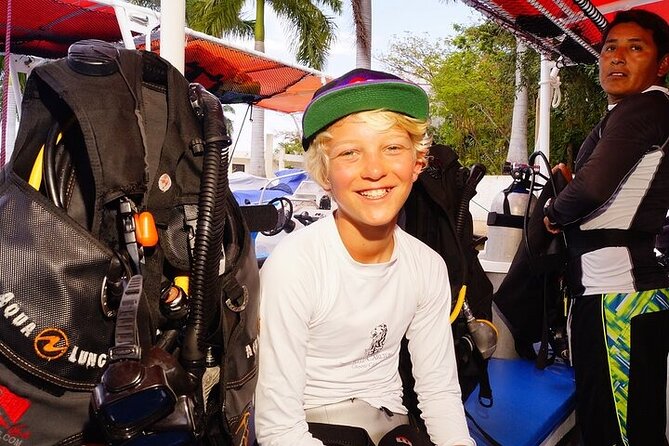
Good scuba gear matters, but so does the fit and your ability to move. Here, the program takes care of the main gear list, including the regulator, BCD, fins, mask, plus weights and tanks.
What you bring is mostly comfort and personal basics:
- swimsuit and towel
- personal care items
- optional wetsuit, if you prefer that extra layer
- consider anti-nausea medication if you get motion sick
If you want photos and videos, they are listed as optional. This is worth knowing because some people plan their budget around souvenirs, while others prefer to travel light.
The meeting point is in the Zona Hotelera area at Scuba Total, located on Blvd. Kukulcan, km 16.2, 77500 Cancún, Q.R., Mexico. The start time is 10:00 am, and the activity ends back at the same meeting point.
Price and value: what $165 really buys you in practice
At $165 per person, you are paying for more than a location. You are buying a guided learning day that includes a pool skills session plus two open-water tank sessions, with full equipment supplied.
You should also budget for the extra government fee listed as $10 per person, since it is not included in the base price. Optional add-ons like transportation from your hotel, a wetsuit, and photos or videos can change your final cost.
Where this price tends to feel fair is in how much instruction is included. You get theory, pool practice, and two guided underwater experiences. That is a lot of coaching time for a half-day plan.
There is also winter-season comfort included, depending on the time of year. The inclusions list cookies, bottled water, and hot tea during winter. Even if that is not the headline, small touches like that signal the company is thinking about the full experience, not only the water portion.
Health limits and who this experience fits best
This program is a beginner course, but it is still technical. The listed limits are clear and important. Scuba is not recommended if you have asthma, heart issues, high blood pressure, lung disorders, epilepsy, or recent surgeries.
If any of those apply to you, bring a doctor’s note as suggested. If you are unsure, ask before you pay, because these conditions are serious enough that you should not gamble with your health.
On the positive side, there is a note about moderate physical fitness level being suitable. It is not portrayed as extreme adventure training, but you should be able to handle the water environment and follow instructions.
Also keep in mind there is a special service for handicapped divers listed as included. That tells you they have some level of planning for accessibility needs, but you still should confirm details directly when booking.
For who it fits best:
- people doing their first scuba instruction or refreshing the basics
- couples, siblings, or small groups who want personal coaching
- anyone who wants the art and reef combo, not only one setting
After your last tank session: timing for flights and how to recover
Your day is not done when you leave the dock. The guidance is to wait 18 to 24 hours before flying after your last open-water session. That means you should avoid booking a red-eye or early next-day departure.
In recovery terms, follow basic comfort logic. Hydrate, rest, and expect your body to settle after the effort and air pressure changes. The program also notes to pack what you need for after, like a towel and personal care items, so you can move on to your evening without scrambling.
If you plan a multi-day Cancun trip, this timing tip is one of the easiest ways to make the experience smoother. It prevents last-minute airport stress, and it helps you keep the good mood.
Should you book this Cancun beginner course?
I would book it if you want a structured first scuba training day with two distinct underwater settings and a team that emphasizes calm, clear coaching. The small group size is a major factor, and the pool refresher is the difference between feeling nervous and feeling ready.
I would skip it, or at least ask lots of questions first, if you are dealing with any of the listed health restrictions. Also, plan your schedule around the 18 to 24 hour flight window, and budget for the separate government fee.
If your main goal is to see MUSA art structures and then enjoy the natural reef at Manchones Reef with proper beginner support, this is a strong match for a first or refresher scuba experience in Cancun.
FAQ
What does the $165 price include?
The price includes full scuba equipment (regulator, BCD, fins, mask), weights and tanks, a pool class, and 2 tank sessions. It also includes cookies, bottled water, and hot tea in winter, plus special service for handicapped divers.
Are transport from my hotel and a wetsuit included?
Transportation from your hotel is not included, and it is optional. A wetsuit is also listed as optional.
How does the course work for beginners?
You start with a medical questionnaire, then do a theory session covering basics and safety. After that, you practice skills in a pool with your instructor, and then you go to the water for 2 tank sessions.
Who should not do this experience?
It is not recommended for people with asthma, heart issues, high blood pressure, lung disorders, epilepsy, or recent surgeries. If that applies to you, bring a doctor’s note.
Where is the meeting point and when does it start?
You meet at Scuba Total on Blvd. Kukulcan km 16.2, Zona Hotelera, 77500 Cancún, Q.R., Mexico. The start time is 10:00 am, and the activity ends back at the meeting point.
How long after scuba should I wait before flying?
You should wait 18 to 24 hours before getting on a plane after the water sessions.
More Things to Learn to Make



More Tour Reviews in Cancun


Cancun, Same Coast, Different Day


Just reviewed around Cancun


Cancun Tours, compared.
 ★ 4.6Chichen Itza, Cenote & Valladolid Tour with LunchFrom $496,722 reviews
 ★ 4.5Cancun Best ATV Tour, Ziplines and Cenote Swim with LunchFrom $483,406 reviews
 ★ 4.5Tulum Ruins and Cenote Guided Tour, from CancunFrom $492,592 reviews
 ★ 5.0Half-Day Sea Turtle and Cenote Snorkeling Tour from Cancun & Riviera MayaFrom $992,039 reviews
 ★ 5.0Adults only Hip Hop Sessions Boat Party CancunFrom $1051,797 reviews
 ★ 4.5Reef Snorkeling in National Park from Cancun with Beachside LunchFrom $441,781 reviews
 ★ 5.0Horseback Riding and Cenote Swim from Cancun or Playa del CarmenFrom $1201,780 reviews
 ★ 4.55-in-1 Cancun Snorkeling: Turtles, Reef, Musa, Shipwreck, CenoteFrom $791,678 reviews
Also on these lists