
Review · MéRIDA TOURS
Mérida: La Quinta Montes Molina Museum Entrance
One short walk through La Quinta Montes Molina, and the vibe changes fast. This self-paced mansion visit in Mérida lets you see 20th-century furniture and décor alongside standout Baccarat crystal chandeliers and family portrait paintings tied to the city’s “green gold” era.
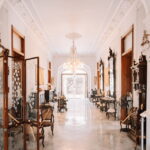
I especially love how the house design tells a story even before you start reading anything. The hall has crisp details you can actually take your time with, from the clocks and painted works to the way the rooms hold onto the character of the family that lived here.
One key consideration: there is no guided tour included, and the mansion is mostly explored on foot, so if you need a narration to make every room land, plan to read closely and ask staff questions when you can.
Key highlights worth your attention
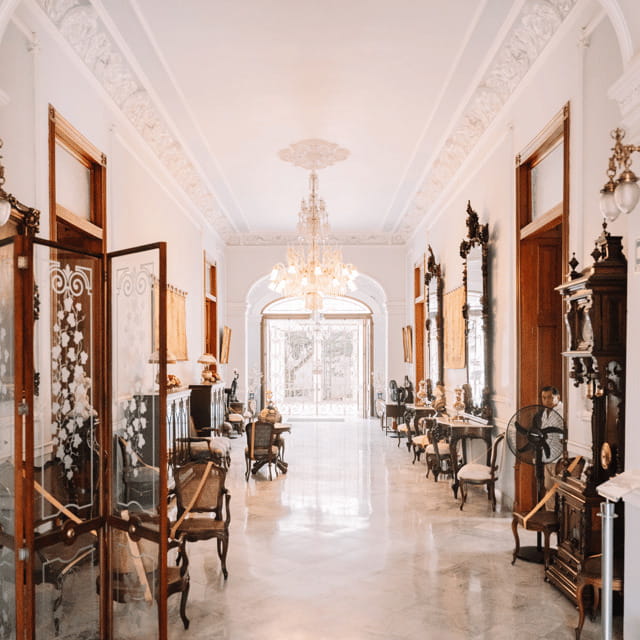
- Baccarat crystal chandeliers and large wall mirrors, including pieces tied to a downtown Mérida purchase in the 1950s
- Carrara marble and Spanish tile floors, with history built into the flooring itself
- Room-by-room contrasts, including furniture styles and seasonal seating (upholstered for winter, wicker for summer)
- Portrait paintings in the hall, featuring Don Avelino Montes Linaje and Doña María Molina Figueroa, plus their parents at the far end
- Tiffany stained glass windows mentioned as a standout detail inside the house
- Self-guided access to the main hall, piano room, library, and dining room
More collections and small museums nearby
- Tour to Uxmal Kabah and Chocolate Museum from Mérida★ 4.5 · 102 reviews
- 3 Hour Tour in The Sotuta de Peón Live Museum★ 4.5 · 62 reviews
- Mérida: Uxmal, Cenote and Chocolate Museum Choco-Story★ 4.8 · 57 reviews
- Private Tour Uxmal Ruins and Chocolate Museum plus Cenote★ 5.0 · 43 reviews
Your visit starts with a classic Mérida mansion feel
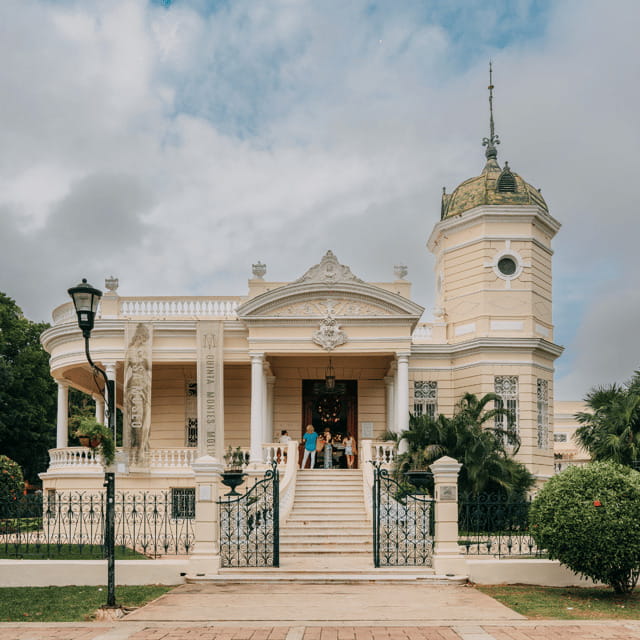
La Quinta Montes Molina is not a generic museum stop. It feels like stepping into a carefully kept residence from the late 19th into the 20th century, with the sort of furnishing that tells you money was spent, but taste was also protected.
You enter either through the main entrance or through the garden via a sliding glass door. That choice matters more than you’d think. Coming in from the garden can help you transition smoothly from Mérida’s daylight into the cooler, more controlled indoor light, so you notice the interior details faster instead of feeling rushed.
The visit is designed for walking. I recommend wearing comfortable shoes, because you will spend more time in your feet than you might expect for a ticket that is priced like a quick cultural add-on. The good news is that the house layout is straightforward enough that you can see a lot without feeling like you’re sprinting for “the next thing.”
Main hall details: clocks, paintings, sculptures, and the “green gold” connection
The main hall is where the mansion museum earns its keep. You are meant to slow down and look at the objects, not just glance at rooms from the doorway. Plan to actually study the display areas.
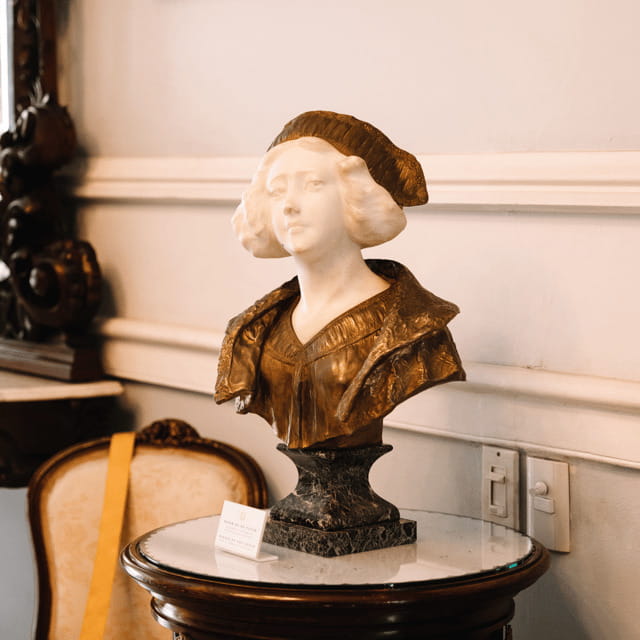
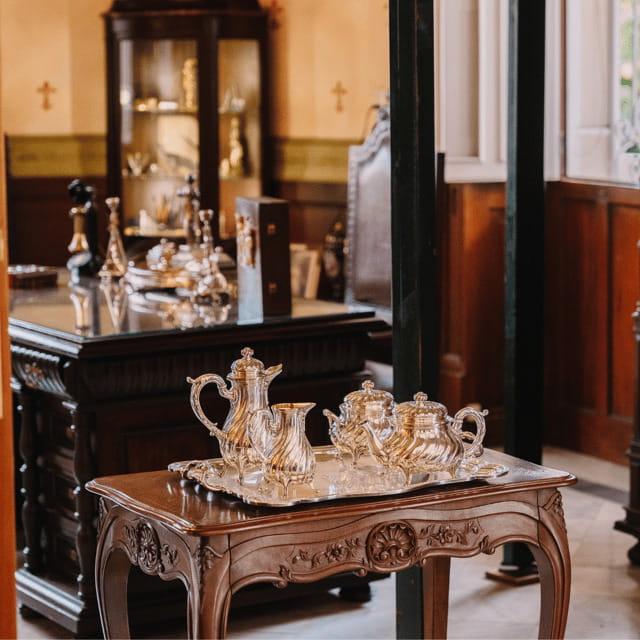
Inside, you can expect a mix of 20th-century items such as furniture, clocks, paintings, sculptures, vases, lamps, and miniatures. It is a room full of small evidence of what life looked like when this home was actively used.
Two things I think you should watch for right away:
First, the chandeliers and mirrors. The museum highlights three Baccarat crystal chandeliers. The central chandelier was purchased in the 1950s from a mansion in downtown Mérida, and the two large wall mirrors were acquired the same way. Even if you are not a “crystal person,” this kind of provenance gives the objects meaning. You see that the family was bringing prestige and style into their home, not just decorating.
Second, the way the hall’s layout supports storytelling. Near the main entrance, you’ll see paintings of Don Avelino Montes Linaje and Doña María Molina Figueroa. At the end of the hall, the portraits shift to their parents, Saturnino and Luciana. That simple change in who is depicted makes the hall feel structured, like a visual family record. It is also one of the best places to connect the museum to Mérida’s larger era.
The mansion is also tied to the “green gold” era. That phrase is shorthand for prosperity from the period when henequen, used for fiber, fueled wealth in Yucatán. In a place like this, that context is practical. You are not just reading about economic history, you are seeing how that wealth expressed itself in furniture, art, and architectural choices.
The mansion floors: Carrara marble and Spanish tile under your feet
Museums usually ask you to look up. Here, I think you should also look down.
The floors are made of Carrara marble and Spanish tile, and the mansion’s museum materials point out the history of the marble floor and the paintings in the hall. This matters because it changes how you judge craftsmanship. Marble and tile are not background. They are part of how the mansion was built to feel formal, cool, and durable.
Practically, it also means the walking surface is substantial. Just be aware if you are carrying luggage or wearing slippery soles. Comfortable shoes still win, even if the museum is not a long outdoor walk.
Chandeliers, lamps, and seasonal seating that feels oddly human

Yes, the chandeliers are the headline. But the hall also has a quiet rhythm that makes the home feel lived-in, not staged for selfies.
One of my favorite small details is the way two chair styles are shown: upholstered chairs used in winter, and wicker chairs during the summer. That’s not just a décor choice. It suggests how the household adapted to seasonal comfort. In Mérida’s climate, that distinction can be the difference between rooms that feel pleasant and rooms that feel stuffy.
The same idea shows up in the variety of items you’ll see: vases and lamps placed so they look decorative first, but also intentional. You’ll notice how the museum organizes objects by style and placement rather than by strict modern labeling. That approach helps you see the “whole room” feel, even when you’re stopping to zoom in.
If you have even a mild interest in interior design, you’ll likely spend extra time here. And if your energy is lower, the hall is still the quickest payoff. It holds the biggest visual hits in a compact space.

Piano room, library, and dining room: what the access tells you
Your ticket includes access beyond the main hall. You can also visit the piano room, the library, and the dining room.
Here is how I would think about those stops. The main hall gives you the public-face style of the mansion: the chandeliers, the family portraits, the formal objects. The piano room and library are where you get a more personal atmosphere, with indoor spaces that connect to daily life and leisure rather than events.
The dining room, on the other hand, is where you can imagine the social side. Even without a guided explanation, the dining setup and decorative choices help you read the house as a place built for hosting.
Because there is no guided tour included, your best strategy is to use your own pace. If you’re the kind of visitor who likes to read a little then look longer, this works well. If you want someone to point out every detail, you may feel underfed, like one reviewer did. The good move is to treat this as an object-focused museum visit where the room layout does much of the explaining.
Light matters: stained glass and how you should look for it
One of the most praised interior touches is mentioned as Tiffany stained glass windows. I’m not saying you should hunt for them like a treasure map, but I do recommend you slow down and watch the way the light hits colored glass when you pass certain sections of the house.
Stained glass changes the mood fast. It also makes the mansion feel more than just “old furniture.” The house starts to look like it was designed to create atmosphere, not only to impress visitors.
If photography is part of your planning, keep in mind that photography may be restricted in certain areas. That’s worth respecting. If you want photos, ask staff quickly before you start shooting. You’ll avoid the awkward moment of being told to put your camera away.
Furniture, vases, and miniatures: the real work is in the slow looking

The museum is built around 20th-century décor rather than giant exhibits or interactive displays. That can be perfect for you if you like details, or frustrating if you need a fast, high-energy route.
Here’s why it still feels worthwhile: the range of items listed in the museum experience is broad enough that you can build your own mini tour inside the tour. You can focus on clocks if you like mechanical objects, switch to sculptures if you care about form, and then end with lamps and miniatures to see how the family curated even the small things.
I like this kind of museum because it rewards your attention. It is not asking you to “finish” it. It’s asking you to notice.
Price and value: what $8 buys you in the real world
At $8 per person, La Quinta Montes Molina is priced like a sensible cultural stop, not a big-ticket attraction. That matters in Mérida, where you’ll often spend more on guided tours, transport, or longer day programs.
Here’s the value logic as I see it:
- You get entry to the main hall and additional rooms like the piano room, library, and dining room.
- You see highly specific highlights, like Baccarat crystal chandeliers and a curated set of preserved objects.
- The experience is long enough to slow down, but short enough that it can fit into a full day of exploring Mérida.
One note on value: transportation is not included, so if you are not already nearby, you’ll need to budget time and transit. That doesn’t change the low ticket price, but it does affect your overall cost and schedule.
Practical advice for a smoother visit

Before you go, think about what will make the mansion easier to enjoy.
Wear comfortable walking shoes, because the visit is mostly on foot. If you have balance concerns, take your time on marble and tile floors.
If you care about photos, remember some areas may restrict photography. Check with staff.
If you’re hoping for a lively narration, remember: no guided tour is included. Instead, rely on the museum’s own explanations and signage, and ask questions of staff when you want more context about family history or specific objects.
Also, the experience is listed as wheelchair accessible, which is good news for many visitors. On the other hand, it is noted as not suitable for visually impaired people, so plan accordingly.
Who should book La Quinta Montes Molina?
This mansion museum is a strong fit if you like:
- preserved rooms and original décor
- family portrait history tied to Yucatán’s prosperity
- interior design details, crystal chandeliers, and vintage furnishings
- a self-paced visit where you can move at your own speed
It may be less satisfying if you need a full guided narrative to keep you interested. Also, if visual access is essential for your comfort, the “not suitable for visually impaired people” note is important to respect.
Should you book it? My honest take
Yes, I would book La Quinta Montes Molina if you want a calm, detail-heavy museum stop in Mérida for a fair price. The chandelier story, the family portraits of Don Avelino Montes Linaje and Doña María Molina Figueroa, and the contrast between objects like the winter upholstered chairs and summer wicker chairs make it feel specific, not generic.
But book with the right expectations. This is not a show with a guide talking you through every hallway. It’s a preserved mansion you explore yourself, with staff present and some areas where you may be limited on photography. If you enjoy reading what’s provided and looking closely, it’s a very solid use of your time.
FAQ
Is there a guided tour included?
No. The experience includes admission and access to rooms, but it does not include a guided tour.
What rooms can I access inside La Quinta Montes Molina?
You can access the main hall, the piano room, the library, and the dining room.
How much does it cost?
The price is listed as $8 per person.
What kinds of items will I see in the main hall?
You can see furniture, clocks, paintings, sculptures, vases, lamps, and miniatures, along with Baccarat crystal chandeliers and large wall mirrors.
Can I take photos inside?
Photography may be restricted in certain areas, so it is best to check with the staff.
How much walking is involved?
The mansion is primarily explored on foot, so comfortable walking shoes are recommended.
Is the site wheelchair accessible?
Yes, it is listed as wheelchair accessible.
Is it suitable for visually impaired visitors?
No. It is noted as not suitable for visually impaired people.
Other Collections Nearby



More Tour Reviews in Merida




Just reviewed around Merida




Mérida Tours, compared.
 ★ 5.0Merida Walking Food Tour. Authentic & Local CuisineFrom $70451 reviews
 ★ 5.0Merida Street Food Walking TourFrom $69417 reviews
 ★ 5.0Taste of the Yucatan: Merida Cooking Class and Market VisitFrom $95291 reviews
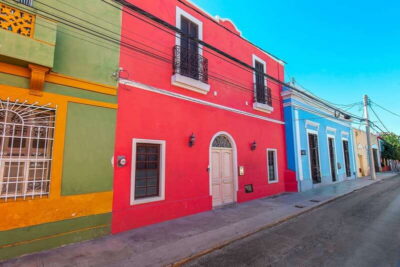 ★ 4.93-Hour Walking Food TourFrom $69287 reviews
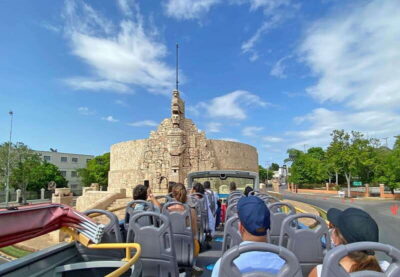 ★ 3.7Panoramic Sightseeing Tour Bus Ticket with 2 RoutesFrom $8246 reviews
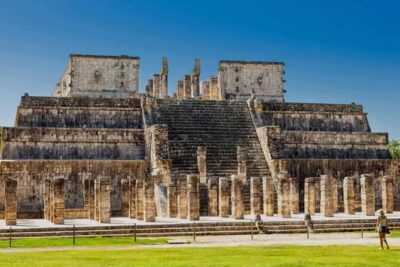 ★ 5.0Chichen Itza Tour, Izamal, Cenote Ik Kil and FoodFrom $79246 reviews
 ★ 5.0Walking Tour Across the Historic Center in MeridaFrom $22177 reviews
 ★ 4.9Uxmal and amazing cenotes guided tour with lunchFrom $93175 reviews
Also on these lists