
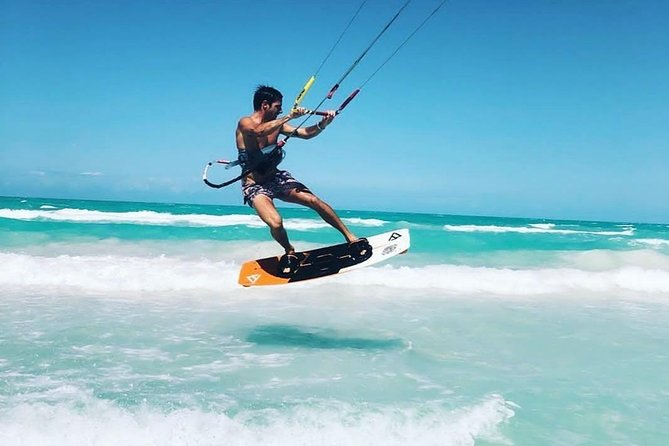
Review · WORKSHOPS
Kitesurfing lessons in Isla Holbox
A first lesson can change your whole trip. Isla Holbox turns kitesurfing practice into real time on the water, with instruction built for both beginners and more experienced riders. I love that you get a full 3-hour class package and that the school runs two very different spots, from easy sandbar water to a longer, wilder beach setup.
What I like most is the teaching focus on the skills that matter fast: kite launching and kite care, then getting you to the point where you can actually ride successfully. Instructors like Alex, Basilio, Vania, Ewa, and Isnel show a consistent pattern, thorough, encouraging, and tuned to what you need that day.
One drawback to plan for is that you should not assume it will be fancy gear. The equipment is described as not the newest, though it’s reliable and gets the job done, so your progress will depend more on instruction and wind than on high-end kit.
Key things to know before you go

- Two learning zones on Holbox: calmer Las Nubes (shallow, calm) and adventurous Punta Mosquito (virgin beach setup)
- A complete 3-hour lesson package that covers kite handling and getting you on the board
- Instructors who teach for real progress using patience, clear feedback, and safety-first habits
- You go where the wind works since timing depends on conditions, not just the clock
- Reliable gear, not necessarily newest equipment, but it’s functional and consistent
- Private session for your group so you get more focused attention
More of what leaves Playa del Carmen most mornings:
- Bioluminescence Experience in Holbox★ 4.5 · 378 reviews
- From Riviera Maya: Holbox Full-Day Tour with Lunch★ 4.3 · 322 reviews
- Kayak Mangroves Sunrise Experience★ 5.0 · 207 reviews
- Boat Tour of Three Islands in Holbox with Transportation★ 4.5 · 172 reviews
Isla Holbox Kitesurf Lessons: What You Actually Learn in 3 Hours
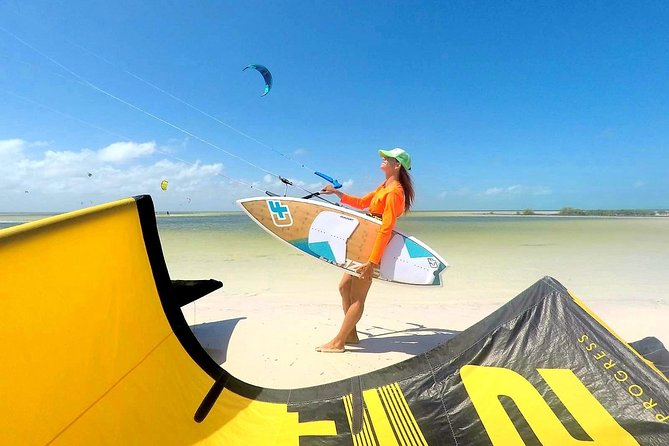
Kitesurfing lessons in Isla Holbox are built around momentum. In about 3 hours, you’re not just watching, you’re working through the chain of skills that make kitesurfing possible, from kite control to first rides. The goal is practical, not theoretical, so you spend your time on what you can repeat later.
This school offers complete packages meant to cover the techniques that come from actually practicing kitesurfing. That matters because the sport is a sequence, not a single move. If your kite handling is shaky, the riding will feel chaotic, so the instruction is designed to tighten the sequence early.
You can also fit this lesson whether you’re starting from scratch or returning to the sport. The spots and the way sessions are run help you match the level to the conditions. If you’re advanced, you still benefit from a system check and fine-tuning, especially when you’re training in a new place with new water.
Two Training Spots, Two Moods: Las Nubes vs Punta Mosquito
Holbox gives you options, and you’ll feel the difference in how the lesson feels on the water. The school uses two spots: Las Nubes and Punta Mosquito, each with a distinct setup and learning vibe.
Las Nubes is in the northeast of the island. It’s known for a sandbar that creates shallow, calm waters, which is exactly what beginners need to practice without fighting big waves or unpredictable currents. If you’re new, this is the spot that helps you focus on kite control and body positioning without the stress of harsher water.
Punta Mosquito is where it turns into more of an adventure. You start from the boat dock, then you arrive at a virgin beach with 40 km at your disposal. That kind of wide-open space can be great for practicing longer sessions, but it also means the learning environment feels more remote and more “out there,” so you’ll want to be ready to pay attention to your instructor.
In both places, wind and conditions are the real boss. The school updates you when conditions are perfect, so be flexible and don’t lock yourself into other plans before and after. Your best outcome comes when you’re on the water with the wind range your instructor wants.
From Kite Care to Riding: How the Lesson Flows
A good kitesurf lesson is not just about getting going. It’s about learning safe habits and repeatable setups that keep you moving forward, session after session. Here, the instruction line is clear: kite launching and kite care first, then gradually building toward riding.
You can expect time focused on kite launching and care, because that’s where most new students either feel safe or feel overwhelmed. When kite handling is taught step-by-step, you stop guessing. You start understanding what your kite is doing and what it’s supposed to do next.
Then you move toward the riding part. Multiple instructors are highlighted for helping students progress fast, including Alex and Isnel. One of the biggest reasons people rave about this school is that they don’t cut the session short after “almost getting it.” They push you toward “I can do it,” and instructors are described as thorough and professional while still being laid back.
If you’re chasing a fast start, private lessons seem to help. Several learners mention taking private lessons to progress quicker, and that approach fits the way kitesurfing learning works. With one-on-one time, you can get corrections immediately, instead of carrying the same mistake for an extra hour.
And yes, you might get nature moments too. During one lesson, bat rays were spotted, described as harmless. That’s not guaranteed, but Isla Holbox wildlife is part of why people love learning here. It turns the session into a full experience, not only training.
Instructors, Teaching Style, and Safety That Feels Practical
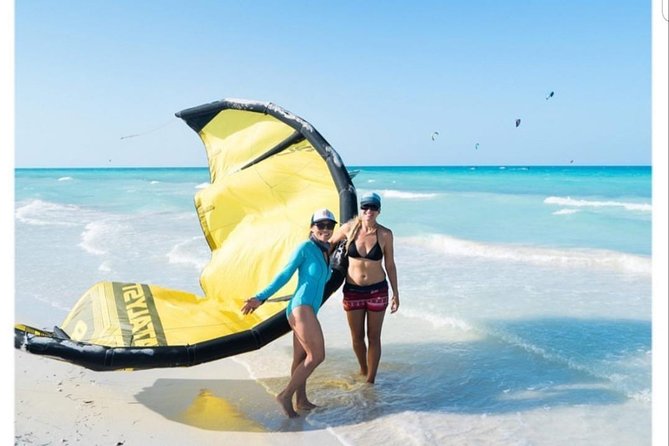
When you’re learning something this technical, you want two things: calm coaching and strong safety routines. This school’s instructors are repeatedly described as patient, encouraging, and invested in student success. You’ll see names come up like Basilio, Vania, Alex, Ewa, and Isnel, and the theme across them is consistent.
Basilio is specifically called out for dedication and passion, and for helping someone reach waterstarts after one day. That’s the kind of milestone that makes a first-time lesson feel real. You’re not just learning terms, you’re building skills that let you move through the water with control.
Isnel gets a special mention for coaching that blends humor with precision, and for adapting instruction to what two people need when they learn together. That matters because kitesurfing is full of small differences. Your stance, your comfort with being pulled by the kite, and your understanding of wind can vary fast, even if two students are similar levels.
Alex is mentioned as thorough and professional, but also fun and encouraging. That balance is important in kitesurfing. If a teacher is too serious, you tense up. If they’re too casual, you might skip safety steps. The instructors here seem to aim for steady, friendly authority.
On safety, students describe effective safe measures and confidence in what’s being taught. When the equipment is handled correctly and the kite control is taught with discipline, the whole session feels safer. That’s what you want as a beginner, because fear makes progress slower.


Timing on Holbox: Wind, Flexibility, and the 9 Days Ahead Pattern
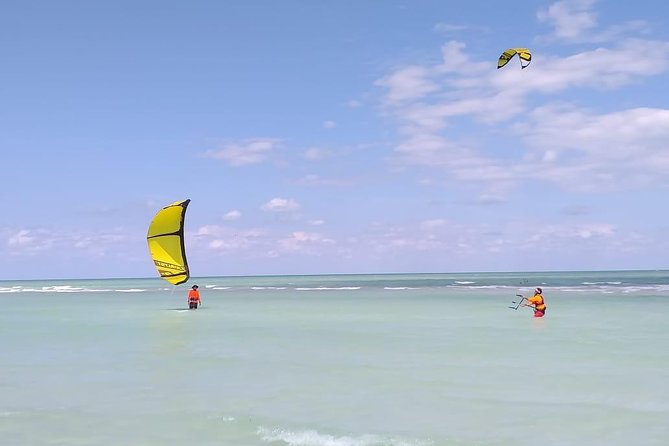
Kitesurfing does not run on your schedule, it runs on wind. This school’s operating window is 9:00 AM to 9:00 PM, and it’s offered daily during the listed season dates. In practice, you’ll be planning around conditions, so expect some flexibility in when your lesson actually hits.
A useful detail is that bookings are often made about 9 days in advance. That tells me something practical: you should not wait until the day before if you want the best wind window. Holbox is a popular sports and beach stop, and the lesson spots depend on conditions.
Some learners also mention getting updates as to when conditions are perfect, including time and location. That’s a good sign. A school that checks weather and wind consistently is more likely to give you an effective lesson instead of a compromised one.
Plan your day with buffer time. Put something low-commitment before your lesson, and avoid locking in strict return times from other activities. If your session shifts, it’s better to have room than to feel rushed.
Gear, Reliability, and What to Bring
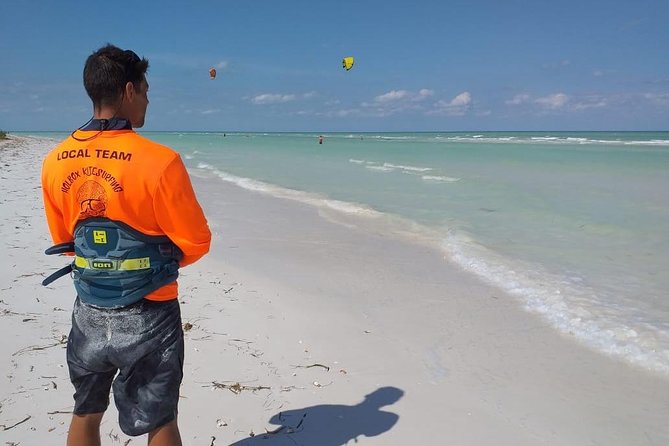
Let’s talk equipment in plain terms. One piece of feedback is that you should not expect the newest equipment, but everything works perfectly fine. For you, that’s mostly great news. Your results will depend far more on how well you’re taught kite control than on whether the brand is latest generation.
Because the gear is functional, your focus can stay on fundamentals: stance, kite angle, timing, and safe movement. If a school’s equipment breaks often, that ruins the lesson. Here, the emphasis is on reliability, and that means fewer interruptions and more learning time.
What should you bring? The listing data doesn’t spell out a gear checklist, so I can only give smart general advice: wear swimwear or a wetsuit-compatible setup, bring sun protection, and pack a small dry bag for after. Ask the school directly what they provide for lessons so you don’t show up short.
A private tour format helps too. Since it’s only your group, the instructor can adjust the session pacing and gear handling without needing to switch attention between multiple mixed-level students.
Price and Value: Is $328.58 Worth It?
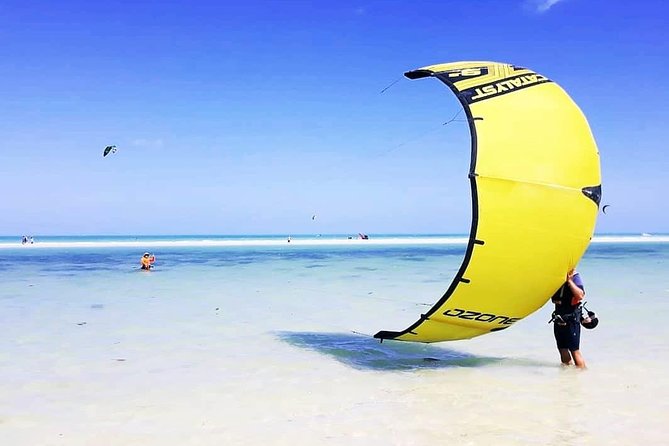
At $328.58 per person for around 3 hours, this isn’t a bargain-bin activity. But it also isn’t priced like a luxury experience. For kitesurfing lessons, the value usually comes from two things: time on the water and quality instruction.
This package is a complete 3-hour class designed to teach techniques that translate to kitesurfing practice. That matters because your first day is when you want maximum instruction density. If you were paying twice but getting less time actually spent learning, the math would get worse fast.
Also, it’s described as private, meaning only your group participates. For students, that can reduce wasted time. In a sport like this, minutes matter. If you’re waiting for your turn while someone else is being coached, you lose momentum.
English instruction is included, which helps if you’re traveling internationally and want clear communication. Some schools switch languages or rely on translation when it gets busy. Here, the “offered in English” detail suggests smoother teaching.
One more value factor is weather handling. The experience requires good weather, and if it’s canceled due to poor weather you should expect a different date or a full refund. That makes the price feel more protected, since kitesurfing is weather-dependent by nature.
Who Should Book These Holbox Lessons?

This lesson format is a strong fit if you want to learn kitesurfing in a place where conditions and spots support real training. Beginners often do well when they’re put in calmer conditions, and Las Nubes is built for that shallow, calm-water learning.
Advanced or returning students should still consider it. Even if you already know the basics, a new location can change everything, especially wind behavior and water feel. A good instructor can also tighten technique so your rides become smoother and more consistent.
If you’re the kind of traveler who wants a short intense activity, this hits the sweet spot. 3 hours is long enough to make progress, yet short enough to keep the rest of your Holbox day flexible.
If you want faster progress and less waiting around, private lessons are worth it. The way learners describe quick milestones like waterstarts after one day suggests that focused instruction speeds up the learning curve.
Should You Book KukulKite Kitesurf Lessons in Isla Holbox?
I’d book this if your goal is clear: get real instruction, spend time on the water, and learn the sequence that makes kitesurfing work. The school’s 3-hour package, the two-spot approach, and the teaching names people consistently credit like Alex, Isnel, Basilio, Vania, and Ewa all point toward a structured, student-first method.
I’d hesitate only if you’re picky about equipment being brand-new. The gear is described as reliable but not the newest. If you care a lot about that detail, you might feel slightly disappointed, but the bigger question is whether you get consistent sessions with solid coaching, and that’s where this school seems to deliver.
If you want a kitesurf start in a beautiful setting where instructors are patient and practical, these lessons are a smart use of time on Holbox. Book ahead, stay flexible with wind, and you’ll give yourself the best shot at leaving with skills you can build on later.
FAQ
How long are the kitesurfing lessons in Isla Holbox?
The package is about 3 hours.
What language is the instruction offered in?
The lessons are offered in English.
Where do lessons take place on Holbox?
The school uses two spots: Las Nubes and Punta Mosquito. The Punta Mosquito option starts from the boat dock before arriving at the beach area.
Is this a group lesson or private?
This is a private tour or activity, so only your group participates.
What should I do if weather is bad?
This experience requires good weather. If it is canceled due to poor weather, you will be offered a different date or a full refund.
Can I cancel and still get a refund?
Yes. You can cancel for a full refund if you cancel up to 24 hours in advance of the experience start time. If you cancel less than 24 hours before the start time, the amount paid is not refunded.
More Tour Reviews in Isla Holbox



Just reviewed around Isla Holbox




Workshops, compared.
 ★ 5.0Authentic Mayan Cooking Class in CozumelFrom $60344 reviews
 ★ 5.0Playa del Carmen Mexican Cooking ClassFrom $113306 reviews
 ★ 5.0Taste of the Yucatan: Merida Cooking Class and Market VisitFrom $95291 reviews
 ★ 4.5Mexican Cooking Class with fresh Local Market ingredients selection and transporFrom $79238 reviews
 ★ 5.0Chocolate & Margarita WorkshopFrom $45207 reviews
 ★ 5.0KUZÁ Beach Day, Buffet, Open Bar & Mexican Flavors ClassFrom $89187 reviews
 ★ 5.0Mexican Cooking Class 1 or 3 Courses Tequila and Mezcal TastingFrom $105151 reviews
 ★ 5.0Cozumel Cooking ClassFrom $115147 reviews
Also on these lists