
Review · VALLADOLID TOURS
Xkopek, Mayan Bees Tour and Honey Tasting in Valladolid
Dry cenotes hide bees worth meeting. At Xkopek in Valladolid, you descend into a dry cenote to watch Mayan stingless bees in their natural, wild state, then you learn how the whole setup works. It is part nature walk, part hands-on honey education, and it moves at a friendly pace.
I love how the tour combines plants, bees, and people in one flow, with Eduardo sharing clear, practical explanations about how the honey operation connects to local flora and hive life. I also love the finish, the honey tasting where you try honey and other hive products, plus a sweet drink made with honey.
One drawback to plan around is the walking, the trails include stairs and stony areas, and you can only use organic repellent. Also note it is not suitable for children under 5.
Quick reasons this tour gets 4.8 stars
- Dry cenote bee viewing in a real setting, not a staged display
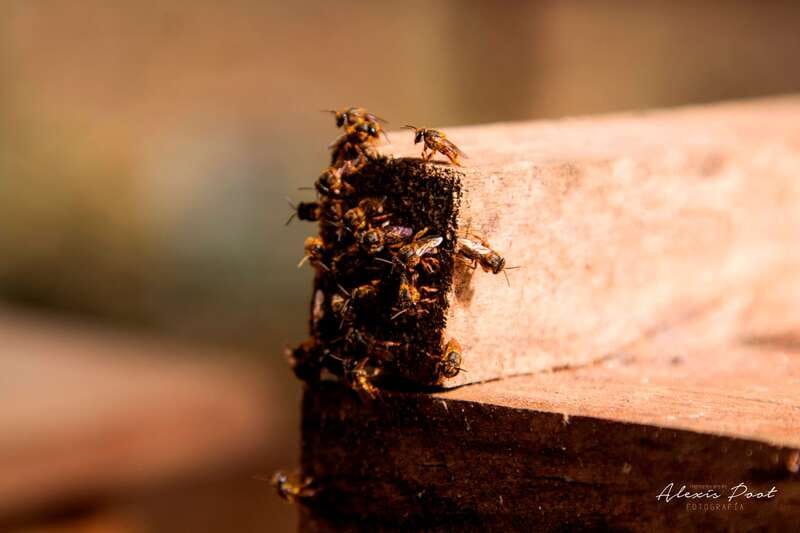
- Stingless bees that you can observe closely without worrying about stings
- Small group of up to 10 for better questions and a calmer pace
- Hands-on hive viewing where you can open a beehive and see the architecture
- Honey tasting plus a honey sweetened drink and multiple products from the hive
- Well-rated guides in Spanish and English, including Eduardo
Other stops in Valladolid on the way back
- FROM VALLADOLID RIO LAGARTOS + LAS COLORADAS + CENOTE (COLECTIVO TOURISTIC)★ 4.7 · 37 reviews
- Valladolid: Chichén Itzá + 2 Cenotes Shared Transportation★ 4.9 · 24 reviews
- VALLADOLID: RIO LAGARTOS+LAS COLORADAS+EK´BALAM+CENOTE★ 4.9 · 22 reviews
- Chichen Itza Tour and Cenotes from Valladolid★ 3.0 · 11 reviews
Stepping into a dry cenote to spot stingless bees
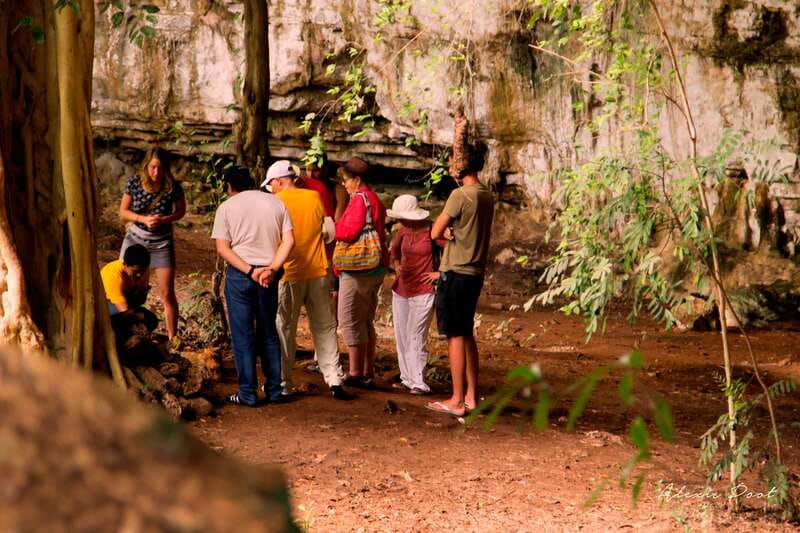
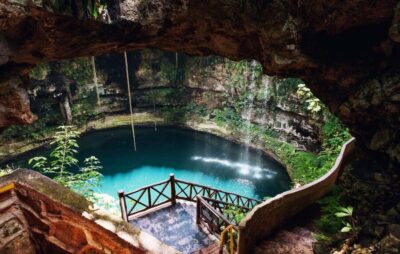
The first thing that makes this experience different is where it starts: a dry cenote. Instead of wet cave water and boat rides, you get a rocky cenote vault with plants that grow in and around the area. You descend a stairway, you look at the local vegetation, and then you head into the cenote space where the bees live in a more natural arrangement than a typical indoor exhibit.
What I like here is that it sets you up to see the bees as part of an ecosystem, not just as producers of honey. You are close enough to pay attention to how they work, but the tour is designed to keep things safe and low stress. The bees are stingless, so you do not have to deal with the fear factor that usually comes with “bees close up.”
In practical terms, I recommend you treat this part like a quiet nature moment. Listen first, then look. If your guide points something out, pause and let your eyes adjust. Even if you have never seen a dry cenote before, you will still understand what you are looking at because the explanations are tied to what the bees need and how they behave in that environment.
This is also where you get the “wow” without needing fancy gear. No helmets, no complicated rules. Just you, the cenote stairs, and a guide who can connect the setting to the honey story you will taste later.
Plant walk that connects local trees to honey production
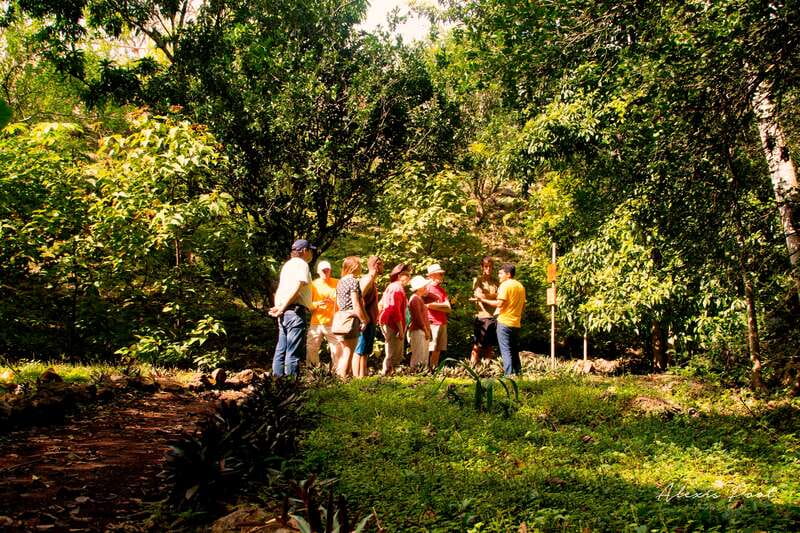
After the cenote viewing, you move along a jungle path and start learning the plant side of the story. This is not a random walk, it is a focused plant identification segment aimed at the plants used for honey production.
Why this matters for you: honey is not just a product, it is an outcome. Plants provide nectar sources and pollinator-supporting habitat. If you only see the bees and skip the plant context, the whole operation can feel like a trick. With the plant walkthrough, you start to understand why the area supports these colonies and why “local” matters in a very literal way.
You will be led to identify the main plants linked to honey making, and your guide explains their use and importance. That kind of connection is what turns a tasting into knowledge you can actually use. Next time you see honey on a menu, you will likely think, Where did the bees gather this? What did the plants around them provide?
One small tip that makes this part easier: wear comfortable clothes you do not mind getting slightly warm or dusty in. The experience is short, but it is still a walk through an outdoor area with uneven footing later on. Closed shoes are a must, since you are going to keep moving after this stage.
Inside the Meliponario, where hive life becomes a lesson
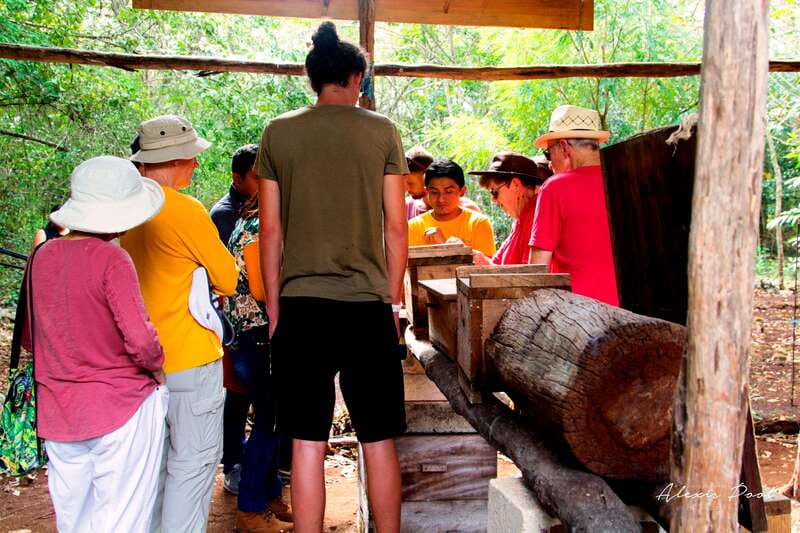
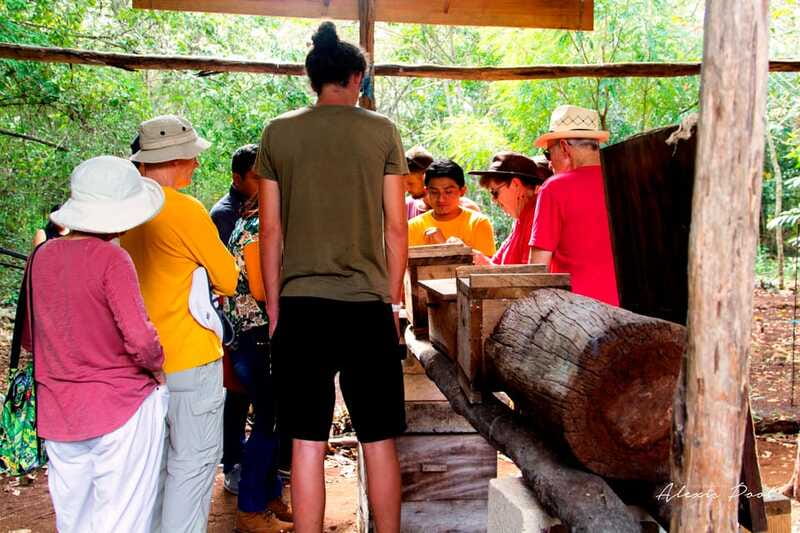
Then you arrive at the Meliponario, the bee facility where the real learning happens. Here, you shift from seeing bees in their natural state to understanding how the honey process works in a managed setting. You learn about the process of honey production and also other products from the hive.
You can hear the logic behind it: bee colonies depend on consistent sources and a stable environment, and different hive products have different uses. The tour also highlights that these hive products are known for health-related properties, which is part of the reason meliponiculture is so culturally important in the region.
What really gets people paying attention is the chance to open a beehive. This is not a casual peek. It lets you observe the architecture of the bees’ world, so you can see that a hive is not just a “box with honey.” It is an organized system that reflects how stingless bees live and store resources.
If you are squeamish about insects, you will probably still be fine, because the tour framing is calm and the bees are stingless. That said, you should follow your guide closely during the hive opening. Look with your eyes, not with your hands. The goal is observation and understanding, not interfering with the colony.
After this stage, you are primed for the tasting because you now know what you are looking for. Instead of random flavors, you start to connect taste to biology and hive products.
Honey tasting and the sweet drink made from the hive
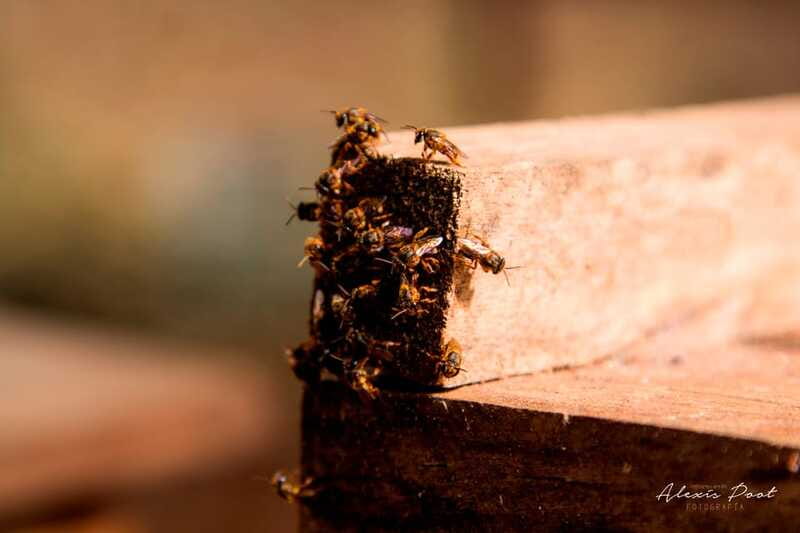
The finale is the part you will remember the longest: the honey and hive product tasting. You get to taste honey from the bees and other products from the hive, and you also have a chance to drink something sweetened with honey.
This is a smart way to end the tour, because it gives you a sensory anchor for everything you saw in the cenote and the Meliponario. When you taste, you can ask yourself questions like: Which product tastes more floral? Which feels thicker or lighter? How does the sweetness differ between types? Even if you do not become a honey expert, you start building a personal comparison that makes the tour feel worth it.
You also get the chance to shop afterward at a small store on site. If you liked a flavor, you can buy it as a souvenir, not just a photo moment. That matters in value terms, because honey products are easy gifts to bring home, and the purchase supports the kind of local apiculture learning you just experienced.
One practical tip: take small sips and bites. Honey tasting is more enjoyable when you can notice differences. If you rush through, everything can taste similar. If you slow down, the tour feels less like a sales push and more like a guided education in your own mouth.
And yes, people consistently call out the tasting as a highlight, especially because you try multiple items rather than just one sample.
Timing, walking shoes, and a small group vibe
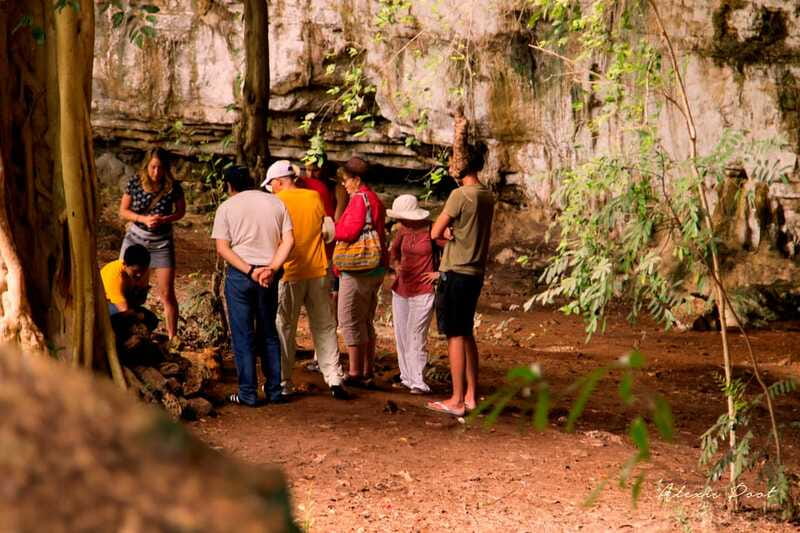
This tour runs about 90 minutes, so it fits well into a packed Valladolid day. It also stays small, limited to 10 participants, which helps in two ways. First, your guide can answer questions without a crowd swallowing every response. Second, the pace stays human, so you can focus on what matters in each stop.
Because it is bilingual (Spanish and English), you are not stuck guessing what is happening. The guide explains in a way that works for you, and that is important when you are learning why certain plants matter or why stingless bees behave differently from the “big bee” image most of us carry.
The biggest practical consideration is comfort underfoot. The trails include stairs and stony areas, and the experience involves walking between stops. Plan to wear closed shoes that have grip. Comfortable clothes help too, especially because you are outdoors.
You are also asked to use only organic repellent. If you forget and show up with a standard repellent, you may need to adjust. I suggest buying or packing an organic option in advance so you can follow the tour rules without stress.
Finally, your meeting area is at Xkopek Parque Apícola in Colonia San Juan, and from what people say, it is easy to reach and feels safe for this kind of activity. If you are skipping a car, taxi access is straightforward.
Is it worth $18 for 90 minutes of bees, cenotes, and tastings?
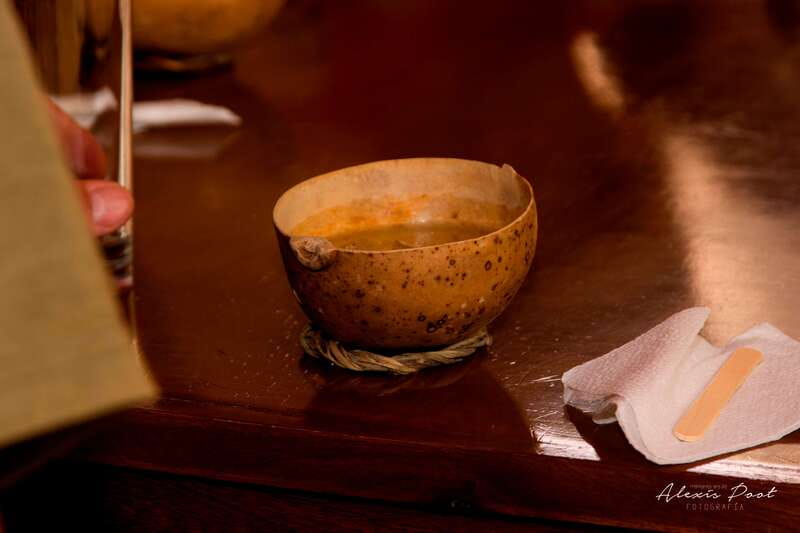
At $18 per person, this is priced like an excellent value for what you get. The ticket does not just buy entry, it includes a bilingual guide, honey tasting and other hive products, fresh water, and a gift. That means you are paying for an actual guided experience with a learning component and a tasting component, not just time in a garden.
The best value detail is the combo: dry cenote + bees in a natural state + Meliponario learning + hive opening + tasting. A lot of experiences in Mexico offer either the nature part or the food part. This one strings them together into a single story, so your tasting feels earned instead of random.
People also consistently emphasize that the guides keep things interesting and not dull, and that is a real value factor. When a tour is informative and smooth, you leave feeling like you learned something usable, even if you came in just curious.
If you are trying to decide how many paid activities to fit into Valladolid, think of this as a high-impact, short-time stop. It is long enough to feel substantial, short enough to keep your day flexible, and it ends with something you can taste immediately.
Who should book this Mayan bees tour in Valladolid?
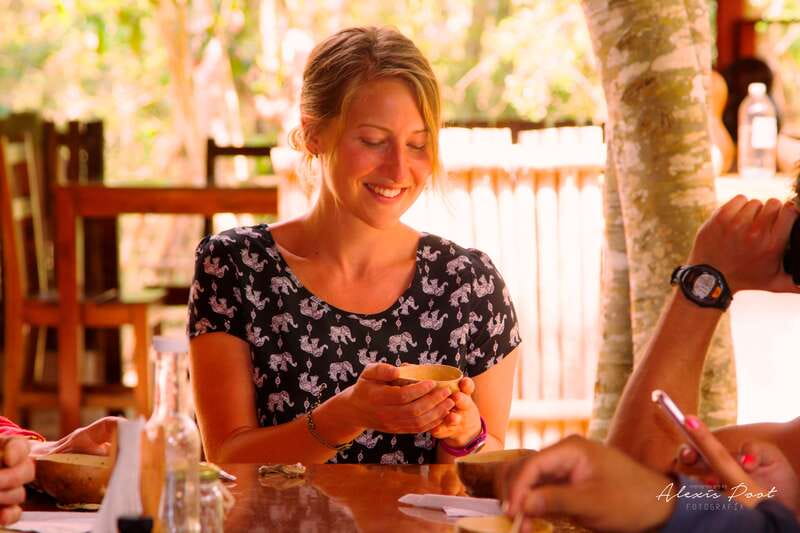
Book it if you enjoy close-up nature experiences and want a clearer understanding of stingless bees and meliponiculture. This tour is especially appealing if you like hands-on learning, because you can open a beehive and see the architecture instead of only watching from a distance.
It also suits people who like guided context. The plant walk adds a layer most bee tours skip, and it makes the honey tasting more meaningful. If you are a foodie, you will like the variety in what you sample, including honey and other products, plus a honey sweetened drink.
You should skip it if you dislike walking on uneven ground. The combination of stairs and stony areas is not ideal if you have mobility limits. And it is not suitable for children under 5, so plan accordingly for families.
If you want a low-stress “science plus nature” experience in Valladolid, this is a strong match. And if you are also the type who likes practical souvenirs, you will probably appreciate the on-site store where you can buy honey products you actually tasted.
Should you book Xkopek’s Mayan Bees tour?
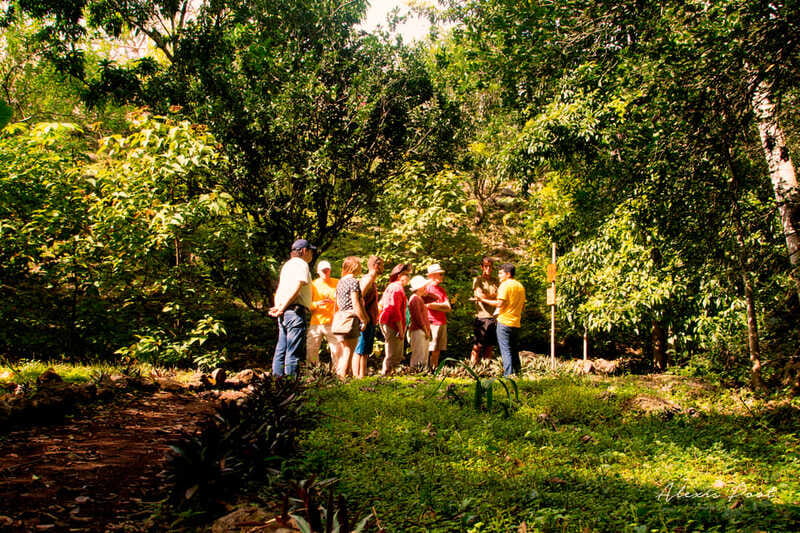
I think you should book if you want a short, well-priced experience that mixes a dry cenote, real stingless bees, and a guided tasting at the end. The small group size helps the tour feel personal, and the honey tasting is a big reason people feel satisfied with the value.
Skip it if you know you cannot handle stairs and stony paths, or if the child you are traveling with is under 5. In those cases, the setting is wonderful, but the physical part is too much.
If you are on the fence, use this quick filter: do you want to learn, see bees up close, and taste honey products in one 90-minute package? If yes, this tour fits.
FAQ
How long is the Mayan Bees Tour and Honey Tasting in Valladolid?
The tour lasts about 90 minutes.
What group size is it?
It is a small group, limited to 10 participants.
What languages does the guide speak?
The guide is bilingual, offering Spanish and English.
Is the honey tasting included?
Yes. The ticket includes honey tasting and other products from the hive, plus a honey-sweetened drink, and fresh water.
Do the bees sting?
No. You will see local bee varieties in a wild state, and they do not have stings.
Where do I meet for the tour?
You meet at Xkopek Parque Apícola, Calle 57 x 38 Colonia San Juan, next to the Sindicato de Taxistas Los Frailes por Villas del Sol. You can reach it by taxi, or use Google Maps if you drive yourself.
What should I wear?
Wear comfortable clothes and closed shoes suitable for walking. The trails include stairs and stony areas, and only organic repellent is allowed.
More Tour Reviews in Valladolid Mexico

More Time in Valladolid
Just reviewed around Valladolid Mexico
Valladolid Tours, compared.
 ★ 4.5Chichen Itza, Cenote & Valladolid Tour with Tequila and LunchFrom $3415,789 reviews
 ★ 4.6Chichen Itza, Cenote & Valladolid Tour with LunchFrom $496,722 reviews
 ★ 5.0Chichen Itza Gastronomic, Valladolid and Cenote ExtremoFrom $292,558 reviews
 ★ 5.0Chichen Itza, Cenote and Valladolid Small Group Day TripFrom $2142,104 reviews
 ★ 4.0Chichen Itza Day Trip Exclusive Nool-Ha Cenote & Valladolid VisitFrom $1101,501 reviews
 ★ 5.0Chichén Itzá, Cenote and Valladolid with Lunch and transportationFrom $33999 reviews
 ★ 4.6Chichen Itza: Guided Tour with Valladolid & Cenote ChichikanFrom $58911 reviews
★ 5.0Chichen Itza Gastronomic, Valladolid and Cenote ExtremoFrom $29710 reviews
★ 4.6Chichen Itza: Guided Tour with Valladolid & Cenote ChichikanFrom $58911 reviews
★ 5.0Chichen Itza Gastronomic, Valladolid and Cenote ExtremoFrom $29710 reviews
Also on these lists