
Review · CHICHéN ITZá TOURS
Chichen Itza : Walking Tour with Expert Guide and Skip-the-Line Access!
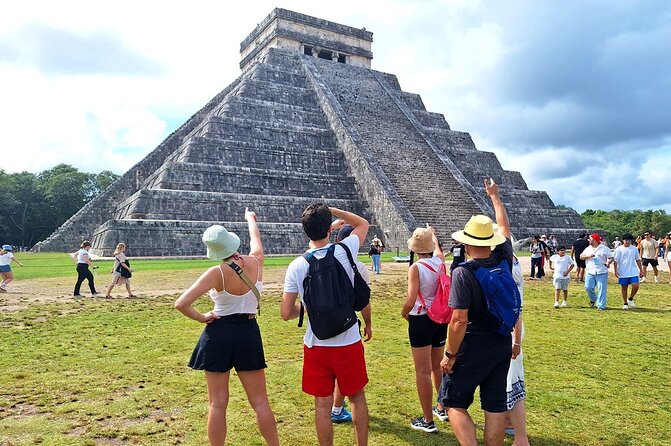
Chichén Itzá feels big, but this tour stays focused. You get skip-the-line access plus an English expert guide to walk the park with context, not just photo stops. In about 1 hour 30 minutes, you hit the key sites most people want, while still getting time to breathe and look closely.
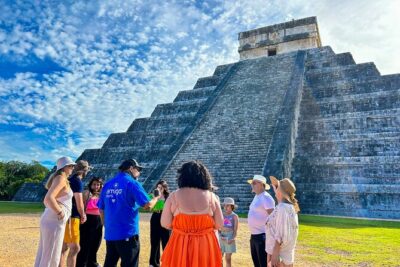
What I really like is the way the guide turns El Castillo from a famous pyramid into something you can actually understand, including the Maya ideas tied to astronomy and acoustics. I also like that the group is kept small, with a maximum of 12 people, so the pace stays manageable and questions do not get lost.
One thing to plan for: the approach can be heavy with traffic, and you should arrive around 30 minutes early. Also budget for the park admission on top of the tour price, since the Chichén Itzá tickets are listed separately.
Key things to know before you go
- Small group of up to 12 keeps the walking tour from turning into a stampede.
- El Castillo gets real explanation, not just a look and a photo.
- Guided stop-by-stop route covers El Castillo, Temple of the Warriors, Sacred Cenote, and the ball court.
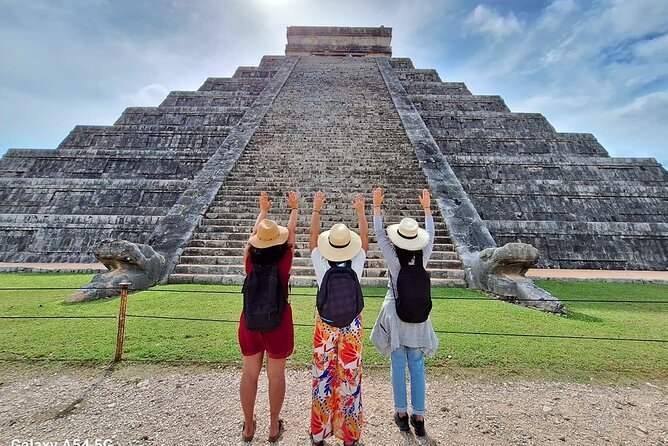
- Photos included during the tour, plus extra time to take your own after.
- Traffic matters at arrival time, so plan to be early.
Other ways to do the pyramid, compared
- Chichén Itzá Skip-the-Line Entrance Ticket★ 4.0 · 343 reviews
- Private Guide Service in the Archaeological Zone of Chichen Itza★ 5.0 · 151 reviews
- Chichen Itza: Self-Guided Tour with Audio Narration & Map★ 4.5 · 72 reviews
- Mayan Experience in Chichen Itza★ 5.0 · 53 reviews
Skip-the-Line Access that actually helps at Chichén Itzá
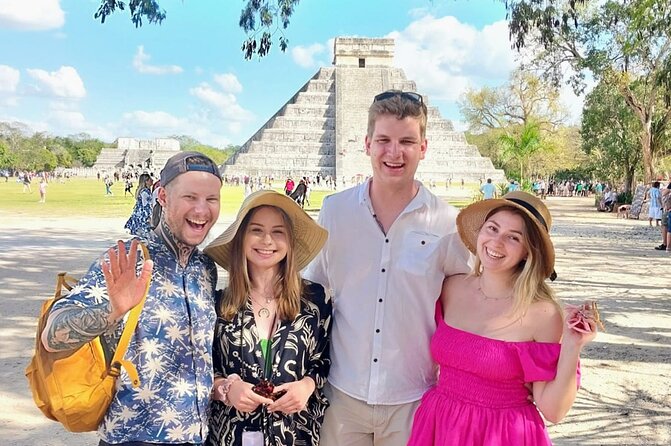
Chichén Itzá is one of those places where the timing can make or break your experience. Tickets, lines, and crowds are part of the deal, so any plan that reduces waiting is worth real money in sanity alone.
This tour is built around that idea. You start at the official meeting location in the Chichén Itzá area and use the ticket redemption point at Guías Oficiales Chichén Itzá Certificados. That matters because you are not left figuring out where to go with a tired crowd around you.
Then you get a 90-minute walk that keeps the emphasis on the main sights. You are not trying to do everything in one frantic day. Instead, you see the sites that anchor the story of the Maya city and leave with a clearer picture of what you just stood in front of.
Where you meet and how the day runs (without the stress)
You will meet at 97751 Chichén-Itzá, Yucatán, Mexico, and the tour ends in the same general area. The ticket redemption point is at Guías Oficiales Chichén Itzá Certificados, Zona Arqueológica Chichen Itzá Piste.
Here is the practical tip that keeps popping up: arrive 30 minutes early. The route to the park can be slow, and if you show up right at the start time, you can get squeezed. This is also where a small group helps. You do not want to be the reason your group is waiting.
The tour is offered in English, and you get confirmation at booking time. Service animals are allowed, it is near public transportation, and most travelers can participate. If you are traveling with kids, there is a child ticket included for those under 13.
The 1 hour 30 minutes itinerary, stop by stop
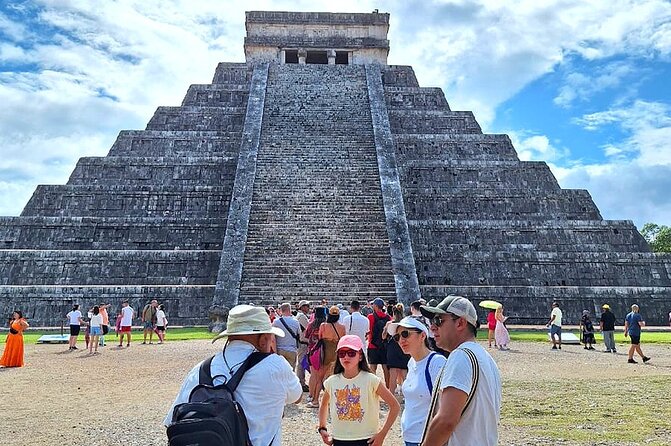
You cover four major stops. Each one is timed tightly enough to keep things moving, but not so fast that you cannot look up close at what is in front of you.
Stop 1: El Castillo, the three-dimensional calendar
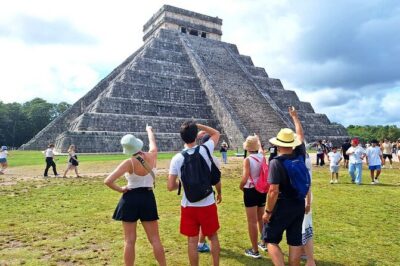
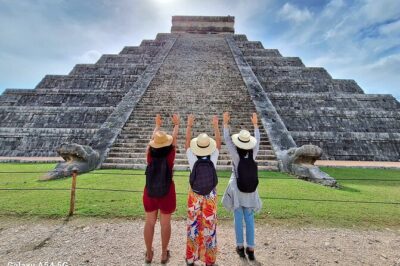
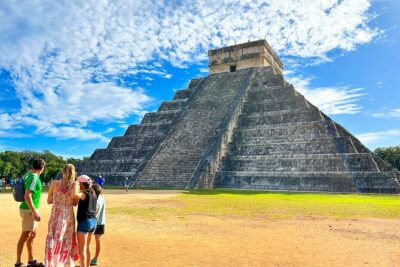
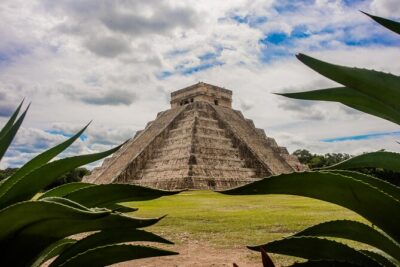
El Castillo is the one everyone recognizes, but on this tour you learn how to read it. The guide explains why the pyramid is described as a three-dimensional calendar, and connects it to Maya ideas about astronomy and acoustics.
This is the part where a good explanation changes your whole experience. Instead of thinking, That is a big pyramid, you start noticing patterns and the logic behind why the Maya built it this way. You also get a sense of why El Castillo earned world recognition as a wonder in 2007.
Time here is about 30 minutes, which is a solid chunk. You get enough time to step back, look at details, and then look again with the guide’s framing in your head.
Potential drawback: it is also the most photographed spot, so you may feel the crowd energy. If you want fewer people in your photos, the timing and your guide’s suggested spots will matter.
More of Playa on foot
Stop 2: Temple of the Warriors, the stories carved into columns
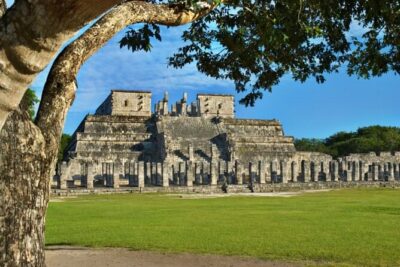
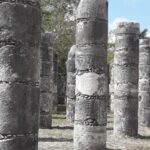
Next up is the Temple of the Warriors. This temple is tied to themes of military activity and human sacrifices. You will look at the engraved warriors on the square columns, which turns the building into something like a stone document.
It is one of those stops where the guide’s job is to give context without turning it into a scare tactic. You are learning about a ritual and social world that is different from ours, and the carvings give you something concrete to focus on.
This stop runs about 20 minutes. That is enough time to orient yourself and spend real attention on the carvings, not just glance and move on.
Note: the subject matter is intense. If you know that kind of topic is not your favorite, you might mentally plan for it before you get there, so it does not feel like a surprise detour.
Stop 3: Sacred Cenote, Maya offerings and the underworld idea
Then you reach the Sacred Cenote, a cenote that the Maya linked to the underworld. Here, the focus is on what a sacred cenote meant spiritually, not just the geometry of the water hole.
You learn that offerings were deposited to feed the gods of the underworld, including ceramics and precious stones. Even if you have never heard the underworld interpretation before, the guide helps it click as part of Maya belief and ritual life.
Time at about 20 minutes keeps you from getting stuck while still giving you room to absorb what you are seeing. Cenotes are visually striking, but the meaning matters more than the view.
Practical consideration: this is a sacred site. You will likely want to keep your voice low and behave respectfully as you take in the area.
Stop 4: Gran Juego de Pelota, the ball court ritual tied to the sun
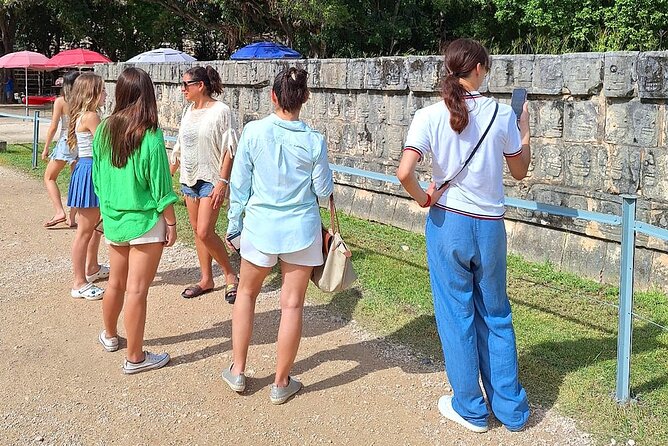
Last stop is the Gran Juego de Pelota, described as the largest ball field in Mesoamerica. This is where the tour gets myth-heavy in a good way, because you are not just looking at architecture. You are looking at a ritual system.
The guide explains that the ball game was considered a ritual dedicated to the sun. And at the end of the ritual, the belief was that the winning captain beheaded the losing captain, tied to ideas about reincarnation and the idea that life offered for the sun was an honor.
This stop is also about 20 minutes. That is a good rhythm, because it prevents you from getting overwhelmed by too many details at once. By now, you have heard enough background to connect the dots.
One thing to keep in mind: the story is graphic. That does not mean it is sensationalized, it just means you should be ready for the reality of the sources and beliefs being described.
Why the guide matters more than the checklist
This tour earns its strong rating because the guide does not just recite facts. The guide explains in a way that helps you picture what you are seeing.
One of the standout details from the experience is the use of a large iPad. The guide showed videos and images of what the site might have looked like in the day. That kind of visual support is especially helpful at Chichén Itzá, where time has taken its toll and weather has changed surfaces.
The name that came up clearly is Russell, who was described as informative and friendly, and who knew good spots for memorable photos. That combination matters. You want someone who can explain, but also someone who understands how crowds move, where light hits, and how to get you a shot without making it a wrestling match.
This is also where the small group size really pays off. On a couple of occasions, the group was essentially just a family, and the experience was personalized for kids. Even if your group is not that small, you still tend to get more attention than you would in a huge bus tour.
Photos, lockers, and that extra time inside the park
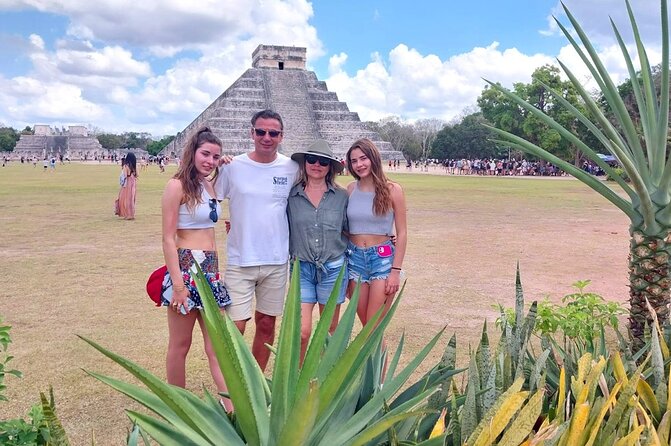
Included in the tour are photos during the tour. That sounds minor until you realize it solves the biggest hassle: getting clean shots while you stand in the right place. If you travel in pairs or groups, it also means less juggling phones.
You also have lockers, which is useful when you show up with extra layers, water bottles, or camera gear. You do not want to be carrying everything while you walk and stop often.
One additional detail that is unusual but helpful: a nursing service is included. The listing does not spell out what it covers, so I cannot guess. But it does mean the tour offers some kind of on-call support.
After the guided portion, you stay inside the park to take more photos and enjoy time alone. I love that part. Chichén Itzá is one of those places where you need a little unstructured time after you learn the story. It helps the site sink in.
Price and value, what you pay and what you get
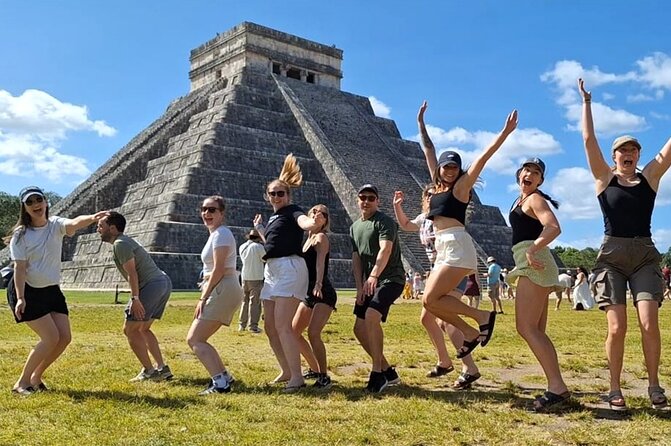
The tour price is $31.06 per person for about 1 hour 30 minutes, booked on average 15 days in advance. That is the easy part.
The more important part is the split between the tour fee and the park admission. The listing shows park tickets as not included:
- Foreign ticket: MX$696.00 per person
- National ticket with INE: MX$315.00 per person
- Tip is not included
At first glance, you might think the base price is low. But the real cost is in the park admission. Here is why it still can be good value: the tour fee buys expert guidance, skip-the-line handling, photo support, and a timed route that hits the most important parts without you guessing.
If you are the type who likes learning but does not want to spend half a day fighting crowds, this format makes sense. You are paying to turn Chichén Itzá into an understandable experience, not just a checklist.
If you already have someone local guiding you informally, you might not need the tour fee. But for most visitors, the guide’s explanations and photo help are worth it.
Logistics and comfort, what to prepare for
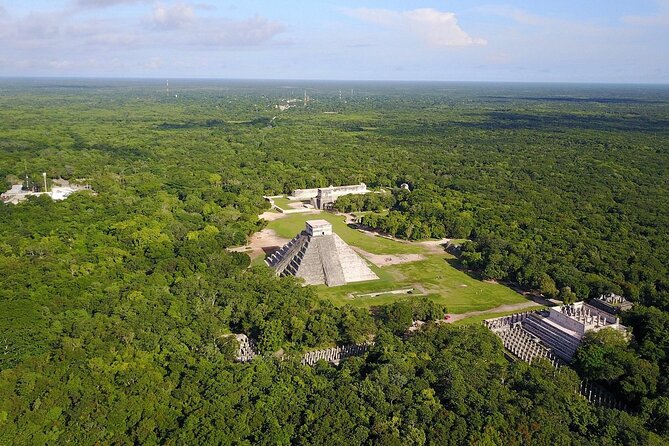
Even though the tour is not long, you are walking in a major outdoor archaeological site. Wear comfortable shoes. Bring water if you can, and plan for bright sun.
Because traffic can be heavy on the approach, treat arrival timing like a real part of the day, not an afterthought. Arrive early so you can start the walk without stress.
You also get some comfort features in the tour setup:
- Lockers for keeping gear contained
- Photos during the tour
- Support services like nursing service (details not provided, but it is included)
If you need to travel with a service animal, that is allowed. And if you prefer public transit, the meeting area is listed as near it.
Who this tour suits best
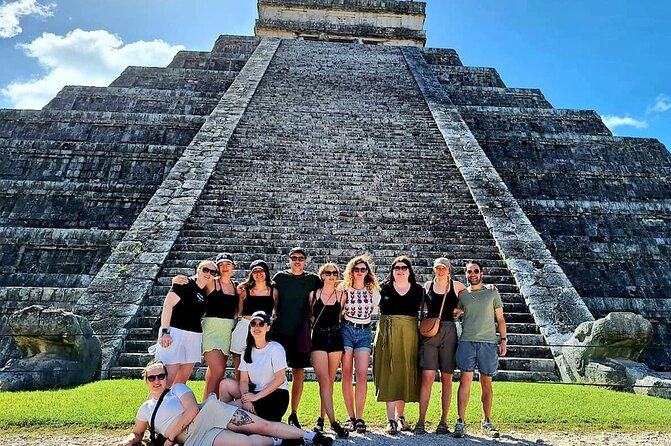
This one is a strong fit if you want:
- The big Chichén Itzá hits in a short time
- An English guide who explains meaning, not just names
- Skip-the-line convenience
- A small group pace, max 12
It is also a good choice for families. The tour can be personalized, and there is specific mention of a child ticket under 13 included.
If you prefer slow wandering with zero structure, you might feel a bit time-bound by the stop durations. But the tour solves that by letting you stay inside the park afterward for extra photos and your own pace.
Should you book this Chichén Itzá walking tour?
I would book it if you want a guided, high-value Chichén Itzá experience without spending your day in lines. The four-stop route is focused, and the best part is the way the guide helps you understand what you are looking at, especially at El Castillo with the calendar and acoustics ideas.
The main reason I might skip it is if you already have a guide you trust, or if your priority is maximum wandering time rather than structured learning. Also, if you are traveling during a period when traffic is unpredictable, do not play chicken with timing. Arrive early.
If you line up those basics, this tour is a smart, efficient way to experience Chichén Itzá with less stress and more understanding.
FAQ
How long is the Chichén Itzá walking tour?
It runs about 1 hour 30 minutes.
What language is the guide?
The tour is offered in English.
Is it really skip-the-line access?
The experience is described as skip-the-line, and you use the ticket redemption point at Guías Oficiales Chichén Itzá Certificados.
Are the Chichén Itzá admission tickets included?
The tour price does not include the park admission tickets. Additional admission fees are listed separately for foreign and national visitors.
What are the admission ticket prices I need to budget for?
Foreign ticket is MX$696.00 per person, and national ticket with INE is MX$315.00 per person.
What stops are included in the tour?
You visit El Castillo, the Temple of the Warriors, the Sacred Cenote, and the Gran Juego de Pelota.
How big is the group?
The maximum group size is 12 travelers.
Can I cancel and get a full refund?
Yes. You can cancel up to 24 hours in advance for a full refund.
What is included besides the guide?
The tour includes shared expert guide (private if selected), photos during the tour, nursing service, ticket for a child under 13 years, and lockers.
More Tours in Chichen Itza
More Tour Reviews in Chichen Itza
Chichen Itza, Three More Ways
Just reviewed around Chichen Itza
Chichén Itzá Tours, compared.
 ★ 4.5Chichen Itza, Cenote & Valladolid Tour with Tequila and LunchFrom $3415,789 reviews
 ★ 4.6Chichen Itza, Cenote & Valladolid Tour with LunchFrom $496,722 reviews
 ★ 5.0Early morning Chichen Itza Tour: Cenote and Tequila TastingFrom $266,657 reviews
 ★ 4.5Chichen Itza Early Access All Inclusive: Hotel Pick up & All FeesFrom $1654,123 reviews
 ★ 5.0Chichen Itza Gastronomic, Valladolid and Cenote ExtremoFrom $292,558 reviews
 ★ 5.0Chichen Itza, Cenote and Valladolid Small Group Day TripFrom $2142,104 reviews
 ★ 5.0VIP Chichen Itza Private TourFrom $2851,782 reviews
 ★ 4.0Chichen Itza Day Trip Exclusive Nool-Ha Cenote & Valladolid VisitFrom $1101,501 reviews
Also on these lists