
Review · CHICHéN ITZá TOURS
Chichen Itza: Self-Guided Tour with Audio Narration & Map
Chichén Itzá without the crowd sprint. This self-guided audio tour helps you pace the ruins with offline GPS that keeps working once you download it. You follow a recommended route, then let the audio start near each stop.
I especially like the hands-free narration that plays as you walk, and I like that the app includes images and text so it is not just talking. The route covers the big landmarks, with more than 37 audio stories over about 2 miles, so you are not guessing what to see next.
One thing to consider: it does not include Chichén Itzá entrance, and you still need a phone that can handle the walk (battery plus good earbuds helps a lot).
Key highlights you will feel on site
• Offline GPS only after download means no roaming stress
• Audio starts by location, so you can look up instead of reading maps
• A clear recommended route through major stops in about 1 to 2 hours of active walking
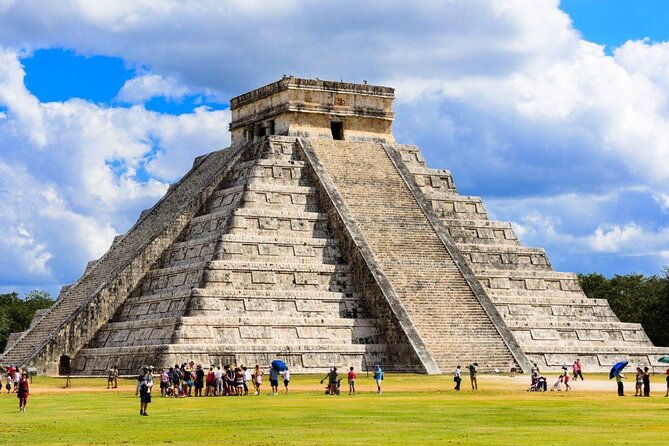
• El Castillo, El Caracol, Tzompantli, Las Monjas, and La iglesia all get their moments
• Pause, replay, and skip when crowds surge or you want more shade time
• It is not an entry ticket, so plan to buy park admission separately
Other ways to do the pyramid, compared
- Chichén Itzá Skip-the-Line Entrance Ticket★ 4.0 · 343 reviews
- Private Guide Service in the Archaeological Zone of Chichen Itza★ 5.0 · 151 reviews
- Chichen Itza: Self-Guided Tour with Audio Narration & Map★ 4.5 · 72 reviews
- Mayan Experience in Chichen Itza★ 5.0 · 53 reviews
Offline GPS audio is a smart fit for Chichén Itzá
Chichén Itzá is the kind of place where signage can feel thin, and group tours can feel rushed. This tour helps you do the opposite: you keep moving at your pace, and the audio gives context right where you are standing. The standout feature is that once you download the tour, it works offline with GPS alone. No data plan needed, which is a big deal in Mexico if your phone battery and signal are both unpredictable.
I also like the way it treats your time like walking time, not museum time. The site is spread out enough that you will spend energy just getting from one structure to the next. A GPS-triggered tour turns that travel between stops into learning moments.
The value is not that it replaces a human guide. It replaces the awkward parts: figuring out what you are looking at, and wondering what is important enough to pay attention to.
Price and value: why $9.99 is reasonable
At $9.99 per person, this tour is priced for travelers who want context without paying for a private guide. The catch, though, is that the price does not cover park admission. You will still need your official ticket to access the site and related monument areas.
So the best way to think about the value is this: you are buying a “guide equivalent” for the narration and route planning. If entrance costs already feel high, an audio tour like this can cut a chunk of the expense while still helping you understand why El Castillo is such a big deal and how other buildings fit into the story of the Maya and later influences.
Plan roughly 2 to 3 hours total. The audio route is about 1 to 2 hours if you keep a steady walking pace and do not overstay at every photo spot.
Getting started: your download, your password, and your first steps
There is no staff member meeting you at the start point. You start by heading to the first story location, then the audio should begin automatically.
Before you go, you get an email and text with setup instructions and a password. You must download the tour while you have strong Wi‑Fi or cellular, then it works offline afterward. That single detail matters. If you forget the download step or try to download at weak signal, you can end up stuck when you reach the ruins.
Device guidance is also specific. The recommended setup includes iPhone running iOS 15 or later, Android version 9 or later, or an iPad or tablet with GPS and cellular connectivity. If you are outside those recommendations, you might still get it to work, but you are betting against the app’s best performance.
Practical tip: bring headphones you can trust. You need earbuds for the audio to make sense, and having both ears covered makes it easier to follow the GPS-triggered cues while you are walking.
Your pacing plan: how long the walk really feels
This tour is about 2 miles long overall. It includes stops with short time windows, often around 5 to 10 minutes each, plus a longer narrative segment that runs about an hour.
Here is the feel of it:
- If you keep moving and only pause for quick photos, you can hit everything in about 2 hours.
- If you stop frequently, take time to look closely at carvings, or need more time in shaded areas, the visit stretches toward 3 hours.
The GPS route helps you avoid wandering. Still, at the beginning, it helps to spend a minute getting your bearings so the audio starts where you expect. One common issue is that some people find the audio timing can start slightly before they arrive at a spot, or that the map can be a little off. That is not a dealbreaker. It just means you may need to walk a few steps, locate the structure, then continue.
More days with a guide who knows the site

The stop-by-stop route: what you will learn at each landmark
Below is what to expect from the main sequence, in the order the tour takes you.
Stop 1: Handicraft Market
You begin at a market area near the entrance zone. It sets a helpful mood shift from modern shopping streets into ancient ruins. The narration here is brief, but it gives you the big theme: you are walking through Maya territory, filled with remnants and unanswered questions.
Practical note: this stop is listed as admission ticket free, so it is a good place to get yourself oriented before you head deeper into the priced areas.
Stop 2: Guías oficiales de la Z. A. de Chichén Itzá Tu Guía Yucatán
This segment offers a quick context about the civilization you are about to see. Even though the stop itself is short, it is there to place the Maya in the bigger Mesoamerican picture.
If you are someone who likes a quick foundation before the pyramids, this is the place to listen with intent.
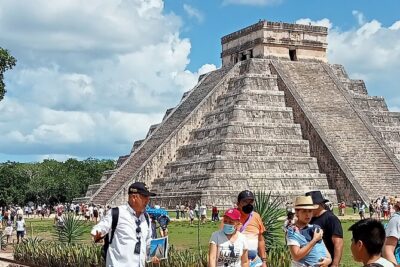
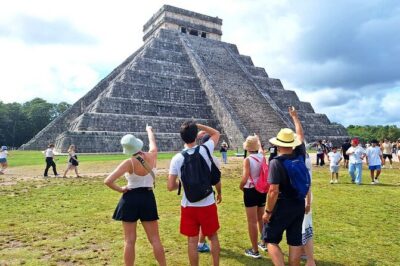
Stop 3: El Castillo (Pyramid of Kukulkan)
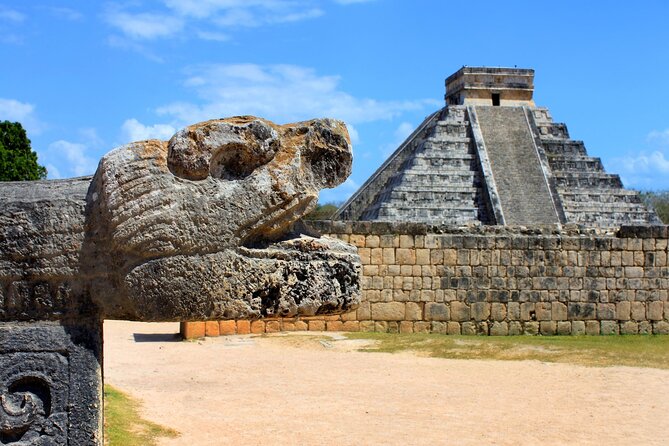
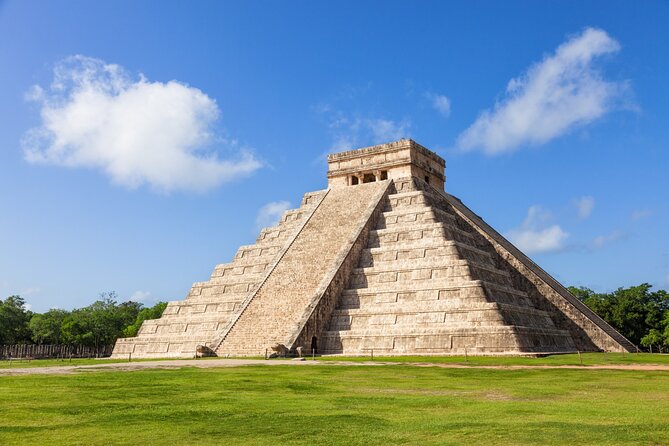
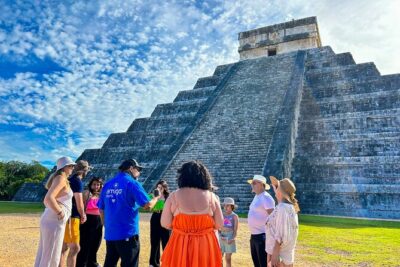
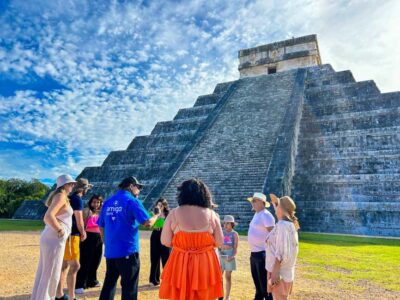
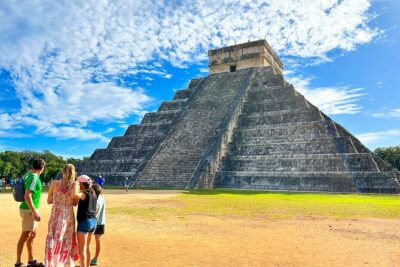
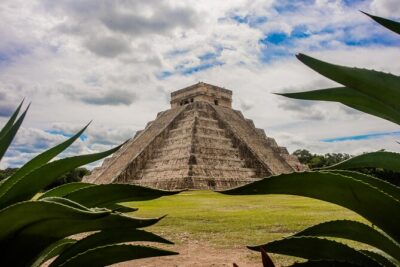
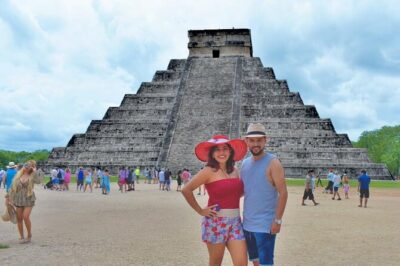
El Castillo is the star. The audio explains it as the Pyramid of Kukulkan, built to honor the snake deity Kukulkan. You will get more out of this stop if you slow down and look at the structure details rather than only taking the classic wide shot.
Time on this stop is listed around 10 minutes. That is enough to stand back, then walk your gaze along the sides. This is also the place where you will feel why Chichén Itzá is famous in the first place.
Admission note: this stop is marked as not included, meaning your access to the structure is tied to your Chichén Itzá ticket rather than the audio tour payment.
Stop 4: Gran Juego de Pelota
This is the ball court area, and the audio focuses on how the sport connects to Maya culture. Look for the sculpted reliefs along the walls. The narration points out that ball players appear in multiple scenes, and that close-looking is rewarded.
You likely will spend about 5 minutes here if you stick to the route. If you care about carving details, give it a couple extra minutes.
Admission note: this one is listed as free in the tour context, so it is a calmer stop to break up the more major ticketed monuments.
Stop 5: Tzompantli
Tzompantli means skull rack, and the audio does not treat it gently. It describes what the platform once represented, including warriors carrying human heads, skulls, snakes, and eagles across the walls.
This is a stop where the audio context matters. Without it, you might see carvings but miss what the site is trying to communicate. Time is listed at about 5 minutes.
Admission note: this stop is listed as not included, so be sure you have your official access handled.
Stop 6: Eagles & Jaguars Platform
This square platform with stairways on each side is presented as a ceremonial or public-facing space, likely for dance, ritual, or speeches. One useful point from the narration is that it was designed as a flat stage, not crowned by a temple.
It is listed at about 5 minutes. Use it to take a breather. Stand back and notice the symmetry, then angle yourself so you can see the stairways clearly.
Admission note: listed as free in tour context.
Stop 7: El Caracol
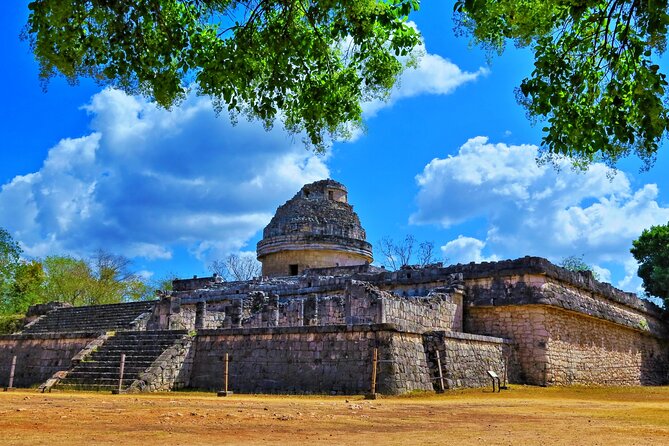
El Caracol is one of the more interesting structures because it ties archaeology to astronomy. The audio describes it as an observatory, and the idea that people watched stars to infer future events based on planetary movements.
Time is around 5 minutes here. You might want slightly longer if you enjoy science and how ancient people tracked the sky. It is also a good contrast stop after the heavier symbolism of Tzompantli.
Admission note: listed as not included.
Stop 8: Chichén Itzá Yucatán (the long narrative segment)
This is the big wrap-and-place stop, lasting about an hour. The audio explains Chichén Itzá as a major Maya center on the Yucatán peninsula, spanning nearly 1,000 years of layered occupation.
You get the framework: different peoples left marks, including Maya and Toltec influences. The narration also points to the fusion of construction techniques, mentioning surviving buildings like the Warriors’ Temple, El Castillo, and the circular observatory known as El Caracol.
This is the part where you stop seeing the ruins as separate photo ops and start connecting them as a city complex.
Admission note: listed as not included.
Stop 9: Temple of the Warriors
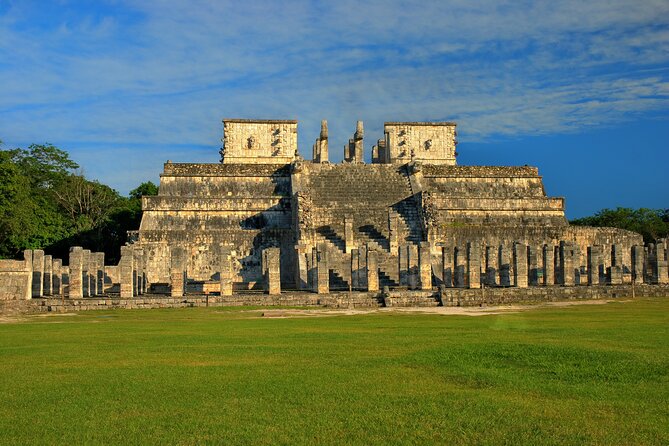
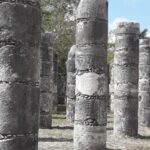
The audio describes the Temple of the Warriors with a vivid comparison: three thick tiers at the bottom and a smaller temple on top, like a layered wedding-cake shape. The standout detail is the about 200 columns, each carved with Toltec warriors in different scenes.
Time listed around 10 minutes. If you like architectural patterns, this is worth your attention, because the columns make this stop feel different from the broad, single-face pyramid views.
Admission note: listed as not included.
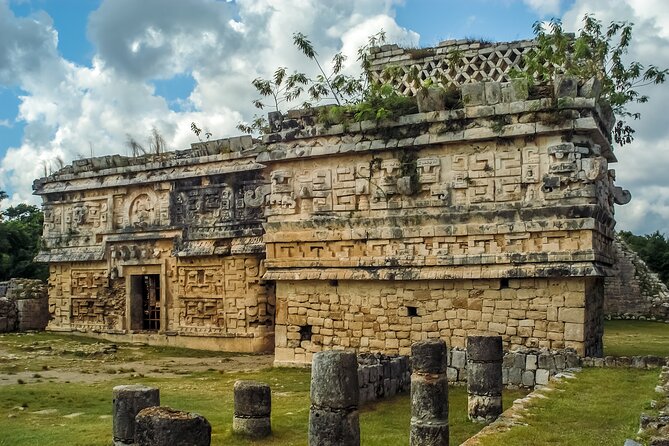
Stop 10: Red House
The Red House is also known as the House of Little Holes because of the latticework on the top that creates a pattern like small openings. The audio also mentions a possible Maya name, Chichanchob, which could mean small holes.
Time is about 5 minutes. It is a good stop to remind yourself that not every important building is a huge pyramid.
Admission note: listed as free in tour context.
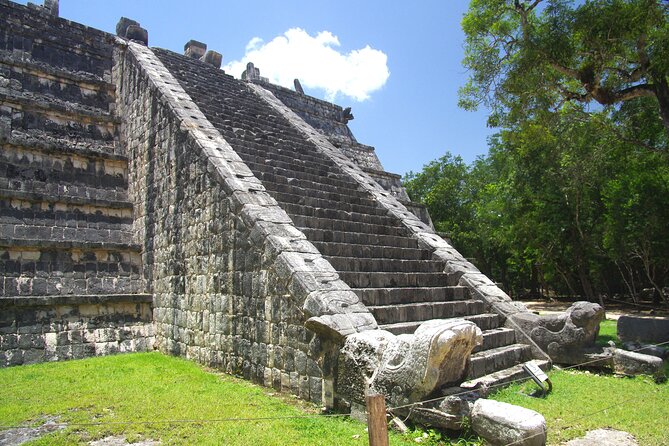
Stop 11: The Ossuary
The Ossuary pyramid earns its name from human remains found there. The audio describes a cavern beneath the pyramid and seven tombs, believed to belong to members of Mayan high society.
Time is about 5 minutes. Even if you feel uneasy reading about the remains, it is still a key part of understanding how these spaces functioned beyond ceremonies and monuments.
Admission note: listed as not included.
Stop 12: El Caracol (again)
The route revisits El Caracol and gives another chance to see it with audio context. This repetition can be handy if you needed a moment to process the observatory concept the first time, or if the GPS timing made you feel rushed earlier.
Time listed around 5 minutes. Treat it as a rewatch, not a waste.
Admission note: listed as free in tour context for this stop entry.
Stop 13: El Osario
El Osario is the Ossuary again, presented as the High Priest’s Grave. The audio mentions bones found on site, including human and animal remains.
Time is about 5 minutes. Since this stop overlaps conceptually with the Ossuary, you will likely get slightly different emphasis in the narration the second time through.
Admission note: listed as free in tour context for this stop entry.
Stop 14: Las Monjas
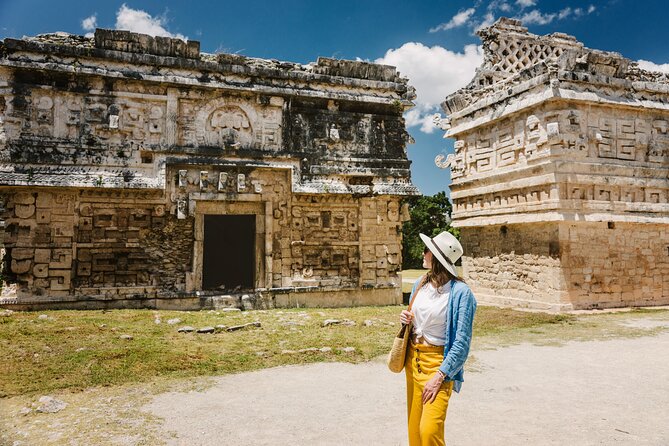
Las Monjas, often translated as the Nunnery, is one of the largest buildings in Chichén Itzá. The audio points out its archaeological importance, especially the huge number of texts inscribed into the walls and the mention of a ruler named Kakupakal.
Time listed around 5 minutes. If you love inscriptions, this is the place to focus harder, because written messages make ruins feel more human and specific.
Admission note: listed as not included.
Stop 15: La iglesia
La iglesia is one of the most photographed buildings. The audio describes its exterior veneer decorations and masks of Chac decorating two upper stories. It also calls out animals among the Chac crowd, including armadillo, crab, snail, and tortoise.
Time listed around 5 minutes. This is a great ending stop because it rewards careful looking, not just distance gazing.
Admission note: listed as free in tour context.
What the app does better than relying on signage
A big reason this tour works is that the narration gives context at the exact moment you can see the structures. Instead of trying to match vague descriptions to carvings, you hear what the site claims to represent, then you look for it.
It is also helpful that the app includes not only audio but images and text, so you can switch modes when your brain wants visuals instead of sound.
And you control the timing. You can pause, restart, and replay segments. You can also skip anything that does not interest you and keep the flow.
That flexibility is why many people use audio tours at big sites. You are not stuck inside a group pace, and you can take the shade break when you need it.
Common snags to plan for: battery, GPS timing, and comfort
This type of tour is simple, but it is not magic.
First, battery. GPS + audio playback can drain power fast. Bring a portable charger. If you already know your phone battery is fragile, treat that charger as non-negotiable.
Second, GPS timing and maps. A few people note the audio can start a step or two early, and that the map can be slightly off. That is usually manageable. Keep headphones in, keep walking, and let your eyes confirm what the narration is talking about.
Third, do a quick orientation at the start. Even a minute helps the route line up with your location so the audio feels like a guide rather than a guessing game.
Who should book this self-guided audio tour?
This is a strong match if:
- You want to see the main structures without paying for a private guide
- You prefer avoiding crowd herding and want to move in your own rhythm
- You like having context tied to your exact spot
- You are comfortable doing a decent walk across the site
It may be less satisfying if:
- You want a long, human-style lecture on every topic, including why certain eras ended
- You need constant help from a person when something goes wrong
- Your device is older or you cannot reliably download the tour on good Wi‑Fi first
One more small practical note from real-world use: a lot of people like using wireless earbuds, and couples sometimes split listening by using one ear each. If you are going as a pair, that can save hassle and still keep both of you in the story.
Should you book this Chichén Itzá self-guided audio tour?
If you are trying to balance cost and understanding, I think this is an easy yes. For about the price of a small meal, you get GPS-guided audio across the core landmarks, plus the freedom to pause, replay, and stick to your walking pace.
Book it if you:
- Have your phone ready with the tour downloaded before you arrive
- Plan for a long walk with headphones and a charged battery
- Want El Castillo and the rest explained right where you stand
Skip it or consider a different option if:
- You are worried about phone setup failures
- You rely on an in-person guide for direction every few minutes
- You do not want to troubleshoot GPS timing at outdoor ruins
If you do book, my best advice is simple. Download in strong Wi‑Fi first, then bring a portable charger, and start by getting your bearings before the first story kicks in.
FAQ
How long does this Chichén Itzá self-guided tour take?
You should plan on about 2 to 3 hours. The audio route itself is listed at roughly 1 to 2 hours, depending on how long you pause at each stop.
What is included in the $9.99 price?
The price covers the self-guided audio tour with offline maps, GPS-triggered audio, and the recommended route with narration at stops.
Does the tour include entry tickets to Chichén Itzá?
No. Entrance ticket access to Chichén Itzá is not included. The audio tour itself is separate from park admission.
Does the audio tour work offline?
Yes. After you download the tour while you have strong Wi‑Fi or cellular, it works offline using GPS only.
Do I need a guide with this tour?
No. It is self-guided and there is no one meeting you at the start. The audio begins automatically at the first story point and then plays based on your location.
Where do I start the tour?
You start at the listed address in Chichén Itzá, Yucatan, Mexico, at the first story’s location. The activity ends back at the meeting point.
What languages are offered?
The tour is offered in English. If you need another specific language, confirm availability before you go.
What device do I need for the best experience?
The recommended devices include iPhone with iOS 15 or later, Android version 9 or later, or an iPad or tablet with GPS and cellular connectivity.
What should I bring?
Bring headphones or earbuds. Also bring a portable charger, since GPS and audio can drain your phone battery over a walking route.
When is Chichén Itzá open for this tour?
The listed opening hours are 8:00 AM to 5:00 PM, Monday through Sunday.
Can I cancel after booking?
Yes, free cancellation is available. You can cancel up to 24 hours in advance for a full refund.
More Tours in Chichen Itza


More Tour Reviews in Chichen Itza

Chichen Itza, Three More Ways
Just reviewed around Chichen Itza
Chichén Itzá Tours, compared.
 ★ 4.5Chichen Itza, Cenote & Valladolid Tour with Tequila and LunchFrom $3415,789 reviews
 ★ 4.6Chichen Itza, Cenote & Valladolid Tour with LunchFrom $496,722 reviews
 ★ 5.0Early morning Chichen Itza Tour: Cenote and Tequila TastingFrom $266,657 reviews
 ★ 4.5Chichen Itza Early Access All Inclusive: Hotel Pick up & All FeesFrom $1654,123 reviews
 ★ 5.0Chichen Itza Gastronomic, Valladolid and Cenote ExtremoFrom $292,558 reviews
 ★ 5.0Chichen Itza, Cenote and Valladolid Small Group Day TripFrom $2142,104 reviews
 ★ 5.0VIP Chichen Itza Private TourFrom $2851,782 reviews
 ★ 4.0Chichen Itza Day Trip Exclusive Nool-Ha Cenote & Valladolid VisitFrom $1101,501 reviews
Also on these lists