
Review · RIVIERA MAYA CENOTE TOURS
Chichen Itza Tour and Cenotes from Valladolid
Cenotes plus Chichén Itzá in one tight day. I like that this tour mixes ticketed cenote time with a guided visit to Chichén Itzá, so you do not have to juggle admissions. I also like the promise of avoiding crowds with a small group size, capped at 13. The main drawback to consider is that the pace and logistics can feel a bit “switchy” day to day, with people reporting transfers between vehicles and not always ending exactly at the hotel.
You start in Valladolid with pickup that’s convenient if you’re downtown, and you end back in Valladolid. Along the way, you get cenote swimming, a stop in a Mayan village for a purification ceremony, lunch, and then Chichén Itzá with a live guide in English or Spanish.
If you want a smooth, no-surprises experience, plan to stay flexible. If you can handle some changes in vehicle type and timing, this can still be a solid way to see a lot of Yucatán in one go.
Key points to know before you go
- Small group, capped at 13: fewer people in the mix, easier for your guide to keep things moving.
- Two cenotes with included entrances: you get swim time without paying every site fee separately.
- Chichén Itzá ticket included: you avoid the hassle of arranging entry.
- Mayan purification ceremony stop: a spiritual break, though it may lean tourist-friendly depending on how the day flows.
- Extra vest costs can pop up: the tour lists vest fees at Xcajum and Uayma.
Other cenotes within half an hour of the 307
- FROM VALLADOLID RIO LAGARTOS + LAS COLORADAS + CENOTE (COLECTIVO TOURISTIC)★ 4.7 · 37 reviews
- VALLADOLID: RIO LAGARTOS+LAS COLORADAS+EK´BALAM+CENOTE★ 4.9 · 22 reviews
- Chichen Itza Tour and Cenotes from Valladolid★ 3.0 · 11 reviews
- Chichen Itza and Two Cenotes Day Tour from Cancun★ 4.5 · 10 reviews
Valladolid pickup, then straight into cenote country
This trip is built around a simple idea: leave Valladolid, hit two major cenotes, then finish at Chichén Itzá with a guide. Pickup is included, and the meeting point for Airbnb guests is the church of San Servacion in the downtown area. If you are staying in Valladolid, your operator typically coordinates pickup from your hotel as well.
Once you’re out of town, the day is about rhythm. You start with your first cenote stop, then move on to a Mayan village experience and lunch at the second cenote, then finish at the archaeological zone. The order matters because it affects how much time you actually get to swim, change, and eat without rushing.
The best-case scenario is a relaxed flow where each stop feels like a real pause. The risk is that timing gets compressed at least once, with some people experiencing short windows at the first cenote and longer time at the second. If you hate feeling rushed, keep your expectations flexible and treat the schedule as fluid rather than precise.
First cenote stop: what Puerta del Sueño means for your day
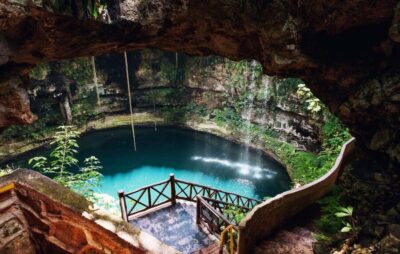
The tour includes entrance to a cenote called Puerta del Sueño. That matters because cenotes are not all the same vibe. Some feel more “tourist swim pool,” while others feel darker, more enclosed, and a bit more dramatic. With included entry, you can focus on the actual swim and views rather than paperwork.
The experience here is mostly about getting in the water and letting the cenote do what it does. Expect a quick changeover phase, then swimming. Some people found the first stop short enough that you feel on a timer: change, shower, swim, get back in the car.
If you want to make the first cenote count, go in with a simple plan. Keep your swim stuff ready, and treat your photos as a quick priority before you linger in the water. Also, remember that cenote surfaces can be slick. Wear footwear if you know you’ll be moving around a lot and want to keep your footing steady.
A small but important detail: the tour also mentions vest rental fees at Xcajum and Uayma. Even if you do not plan to use a vest, it’s smart to carry some cash so you are not stuck deciding on the spot.
The Mayan village purification ceremony: spiritual, scripted, or both
Between cenotes, you stop at a Mayan village area for a purification ceremony. On paper, this is a meaningful cultural moment: a pause in the day that connects you to Mayan traditions. In practice, you should expect it to be structured, timed, and guided for visitors.
This is also the part of the itinerary that can vary the most in how it feels. Some people end up in a setting that is more like a quick cultural stop than a deep immersion. Others find it interesting as a short ceremony they can observe and learn from, even if it’s not the long-form experience they hoped for.
So here is the practical way to approach it. Go with a respectful mindset, participate only as you feel comfortable, and use it as context for what you’re about to see at Chichén Itzá. Even if the format feels touristy, it can still connect the dots between living traditions and ancient sites.
If you are the type who hates being rushed through “cultural stops,” this is the segment to keep an eye on. Timing matters, and it’s the one that can be shortened or swapped in how it’s presented.
Lunch at Xcajum cenote, swim time, and the vest fee reality
Your second cenote stop is Xcajum, and the tour includes entrance there. This is the stop where lunch typically happens, and it’s described as a buffet with typical regional food. After lunch, you get swimming time, which is the main payoff for many people on this itinerary.
Why does Xcajum matter? Because you’re not just ticking off a cenote, you’re building a memory. This is the point where you can actually relax, not just hurry through a swim session. Some people report around ninety minutes at this second cenote area, which is enough time to eat, change, and enjoy the water without stress.
Still, there’s a cost detail you should not ignore: the tour notes a vest fee of 50 Mexican pesos in cenote Xcajum. Depending on how your body handles water and how comfortable you are in cenote conditions, you might want a vest for extra security. If you think you might use one, bring the cash so you can make the choice instantly.
If you want the most enjoyment from Xcajum, treat lunch as part of the schedule, not an afterthought. Eat earlier rather than later, because swimming time is the thing that disappears when the bus leaves. Also, keep an eye on your phone and valuables. Cenotes are wet environments, and even when the water looks calm, everything around you can get damp.
Other ways to do the pyramid, compared
Chichén Itzá with a live guide: how to get real value from the ticket
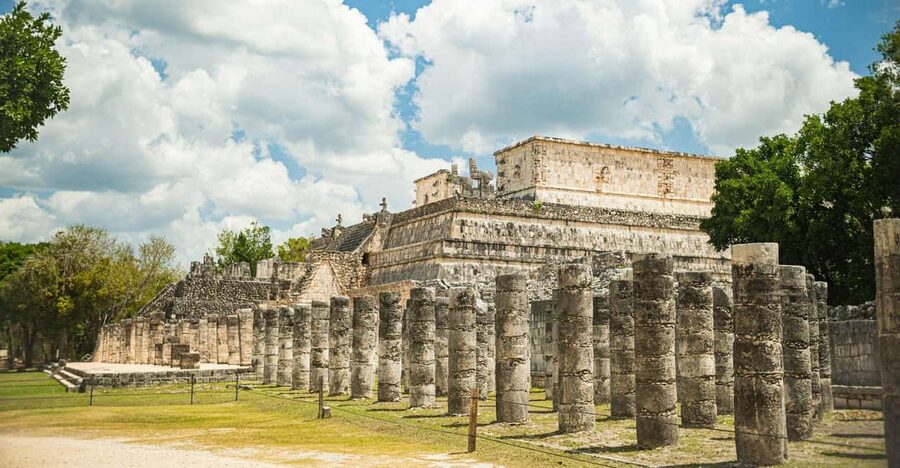
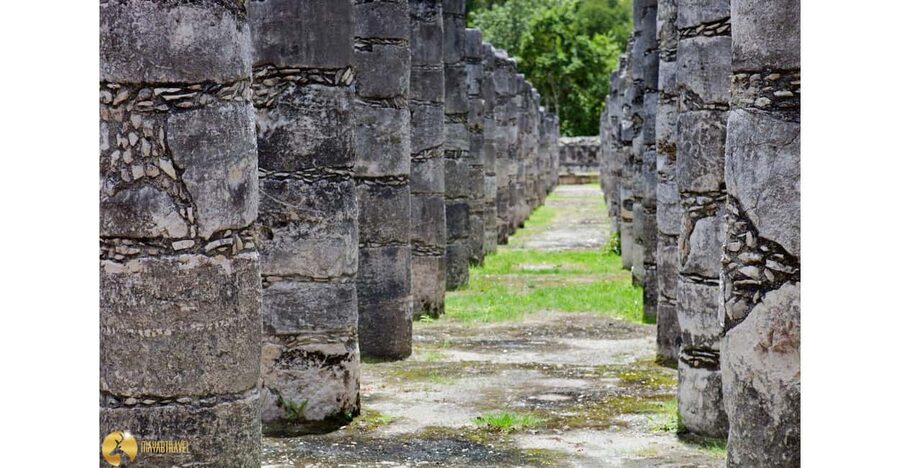
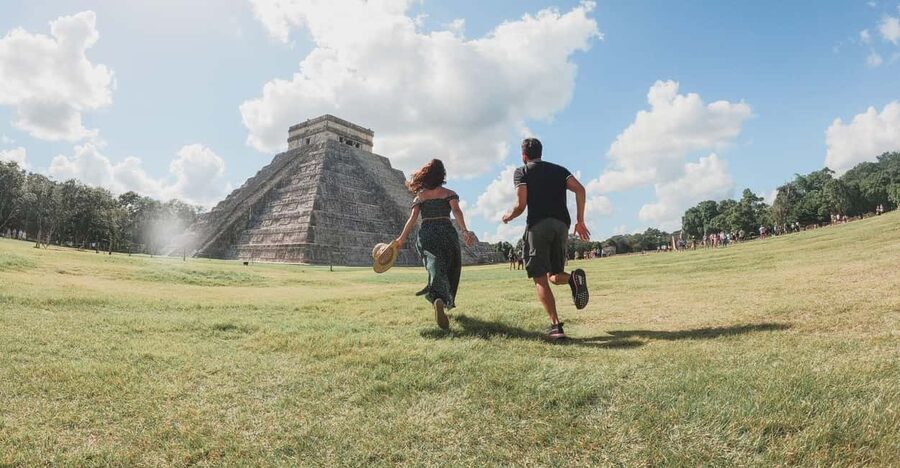
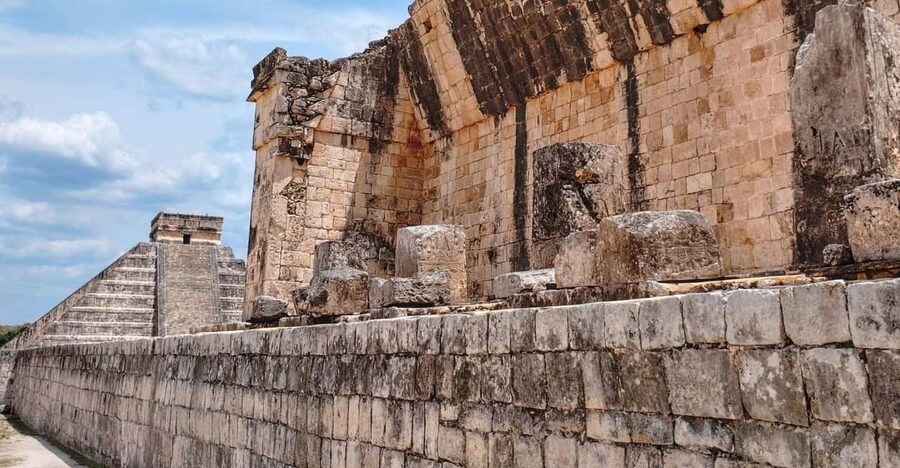
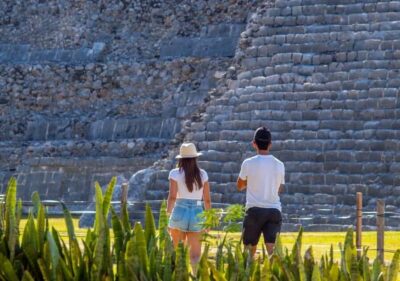
After cenotes and lunch, you head to Chichén Itzá, and entrance to the archaeological zone is included. This is where the tour can shine, because you get a guide to explain what you’re seeing. That makes a huge difference at Chichén Itzá, where it’s easy to view the ruins like they’re just big stones unless someone gives you the context.
The guide is live and can be in English or Spanish. In some cases, people reported guides who were clear and able to answer questions well, which helps you understand why certain features matter. The tour format here can also be more “structured” than you expect, with some people feeling they were placed into a guided format longer than they wanted.
Here is how you can steer the experience toward what you care about. Decide before you go what you want from Chichén Itzá:
- If you want story and symbolism, follow the guide’s flow closely.
- If you want architecture and viewpoints, pause and look for alignments and sightlines before you move on.
Also, be ready for the vendor noise at the archaeological zone. Some people found the constant presence of vendors distracting. You can reduce the frustration by not stopping for every interaction, and by setting a rule for yourself, like only buying one thing if you truly love it.
The best way to make the most of your ticket is to stay calm, walk with purpose, and let the guide explain one or two key structures deeply rather than trying to absorb everything at once.
Crowd avoidance promises, and how to think about them
The tour advertises that it will avoid crowds. That is a great goal, especially at Chichén Itzá where tour groups can turn the experience into a marching line. The small group size, capped at 13, also helps. Fewer people usually means fewer slowdowns and a better chance to ask questions.
But crowd avoidance depends on timing. If you get a schedule that pushes you through the site in a window that’s less busy, you’ll feel the advantage. If the day runs behind or the pacing shifts, you may still run into visitor flow at the archaeological zone.
So my advice is simple: do not treat crowd avoidance as a guarantee. Treat it as a chance. If you want the most peaceful Chichén Itzá moments, try to stay patient with the tour rhythm, because your best photo angles and your best walking times might depend on when you arrive.
Transportation, vehicle switches, and why they can matter
Transportation is included, and it’s described as air-conditioned. That’s important in Yucatán heat, and you’ll definitely appreciate it during the drives between stops.
Still, the logistics can feel inconsistent. Some people reported being picked up in a small taxi or van, then later switching to a larger bus. In another scenario, people described waiting in a shop area for a period because groups were consolidated. There’s also a risk that you might not be dropped off exactly where you expected, like back to your hotel rather than another point in town.
This is the part you should mentally prepare for. Plan the day with a “local transit mindset.” If your hotel is a bit tricky to reach or if pickup points are shared with other areas of downtown, drop-off can shift.
If you are staying in a place where finding your exact front door is easy, you have less to worry about. If you’re on a quieter street or have a tricky entrance, communicate clearly where you want to be taken back. Keep your WhatsApp ready if you use it, so you can confirm pickup and return points quickly.
Price and value: is $80 a good deal?
The listed price is $80 per person. For that money, you’re paying for a bundle: transportation, buffet lunch, included cenote entrances, and the Chichén Itzá ticket, plus a live guide.
Here’s how I judge value on this kind of tour. If everything runs smoothly, you get a full day of iconic Yucatán experiences without paying separate entrance fees and without arranging transport. Included cenote tickets matter because cenotes can add up, and Chichén Itzá entry is not something you want to manage on your own when you’re dealing with travel time.
Where value can dip is when the itinerary feels rushed, when a cultural stop turns into a quick store visit, or when you end up feeling like you did not get the time you expected at the places that matter. The first cenote is one place where timing seems to vary, and lunch quality can also vary from decent to average.
Also remember the extra vest fees. Vest rental is listed as 50 Mexican pesos in Xcajum and Uayma. Souvenirs are not included, so if you shop, you’ll pay extra.
If you book expecting a smooth, premium experience with generous time at every stop, you might feel disappointed. If you book expecting a well-priced, ticketed circuit where you’ll get two swims and a guided Chichén Itzá visit, it can feel like good value.
Who this tour fits best (and who should skip it)
This tour is a good fit if you:
- Want two cenotes plus Chichén Itzá without organizing transport and tickets yourself.
- Like small groups, because 13 people max is usually more personal than big-bus tours.
- Are okay with a timed itinerary, as long as you get meaningful swim time at least once.
It’s not the best fit if you:
- Need perfectly fixed schedules with no vehicle changes.
- Want a long, deep cultural immersion at the Mayan village segment.
- Are sensitive to shopping-oriented stops or a more guided-than-you-expected format at Chichén Itzá.
If you’re traveling as a couple or solo and you want a straightforward “see the highlights” day, this works. Families can also do fine, but you’ll want to watch the swim and vest rules closely, especially given the listed vest rental fees.
Practical tips so your day feels smoother
Because the day mixes water, heat, and walking around ruins, small practical choices make a big difference.
- Bring cash for the vest fee mentioned at Xcajum and Uayma, just in case you want one.
- Keep your belongings secure at cenotes. The water environment is wet, and small delays happen when people are searching for phones or towels.
- Plan your energy for the second cenote. If the first stop feels short on your schedule, the second one is often where you’ll get the more satisfying swim and lunch rhythm.
- At Chichén Itzá, decide how you want to experience the ruins. Follow the guide for context, then take a few minutes to look slowly on your own once you understand what you’re seeing.
One more thing: the schedule can feel longer than the stated duration. Some people report a full-day outing, so treat it like a long day. Eat a good breakfast, drink water, and plan your afternoon expectations around being out of Valladolid for most of the day.
Should you book this Valladolid cenote and Chichén Itzá tour?
I would book it if you want a value-packed, ticketed day that covers two cenotes and Chichén Itzá with live guidance, and you’re comfortable with an itinerary that may shift in the details. The small group size and included entries are the big selling points, and the cenote swimming is the emotional payoff.
I would not book it if you need a totally predictable, high-end pacing experience, or if you strongly dislike forced shopping stops and extended guided segments. In that case, you might be happier with a more flexible plan where you can control how long you stay at each cenote and at Chichén Itzá.
If you do book, go in smart: bring cash for the vest, keep your schedule flexible, and focus on what the tour does best, two cenote swims and a guided walk through one of Mexico’s most famous ruins.
FAQ
Where is the pickup point in Valladolid?
Pickup is included. For Airbnb guests, the meeting point is the church of San Servacion in downtown Valladolid.
How many cenotes are included in the tour?
You visit two cenotes as part of the experience.
Which cenotes does the tour include entrance for?
Entrance is included for the cenote Xcajum and the cenote Puerta del Sueño.
Is lunch included?
Yes. The tour includes a buffet lunch.
Do I need to pay extra for a life vest?
Vests are not included. There is a 50 Mexican pesos vest fee listed for cenote Xcajum, and another 50 Mexican pesos vest fee listed for cenote Uayma.
What languages are the live guides?
The live tour guide is available in English and Spanish.
What is the price for the tour?
The price is listed as $80 per person.
More Time in Valladolid

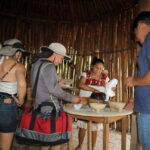
Chichen Itza, Three More Ways
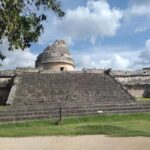
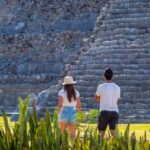
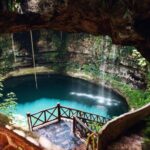
Three More Cenotes Worth the Drive
Just reviewed around Valladolid Mexico
Riviera Maya Cenote Tours, compared.
 ★ 4.5Chichen Itza, Cenote & Valladolid Tour with Tequila and LunchFrom $3415,789 reviews
 ★ 4.6Chichen Itza, Cenote & Valladolid Tour with LunchFrom $496,722 reviews
 ★ 5.0Early morning Chichen Itza Tour: Cenote and Tequila TastingFrom $266,657 reviews
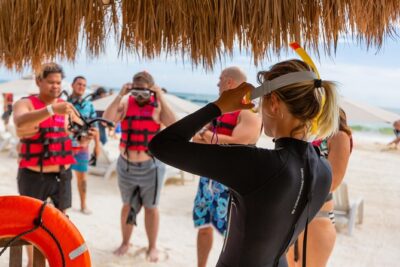 ★ 5.0Viator Exclusive: Tulum Ruins, Reef Snorkeling, Cenote and CavesFrom $1294,242 reviews
 ★ 4.5ATV Adventure, Interactive Bridges, Ziplines, Cenote and LunchFrom $493,903 reviews
 ★ 4.5Cancun Best ATV Tour, Ziplines and Cenote Swim with LunchFrom $483,406 reviews
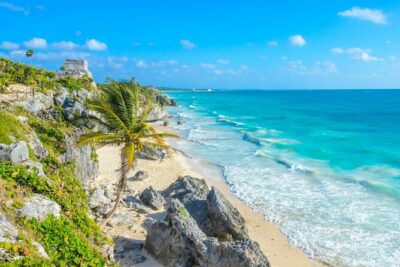 ★ 4.5Tulum Ruins and Cenote Guided Tour, from CancunFrom $492,592 reviews
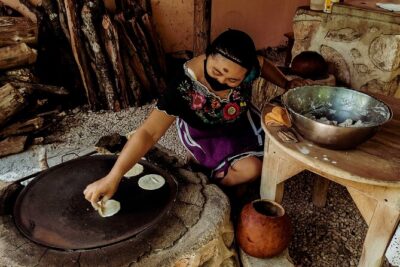 ★ 5.0Chichen Itza Gastronomic, Valladolid and Cenote ExtremoFrom $292,558 reviews
Also on these lists