
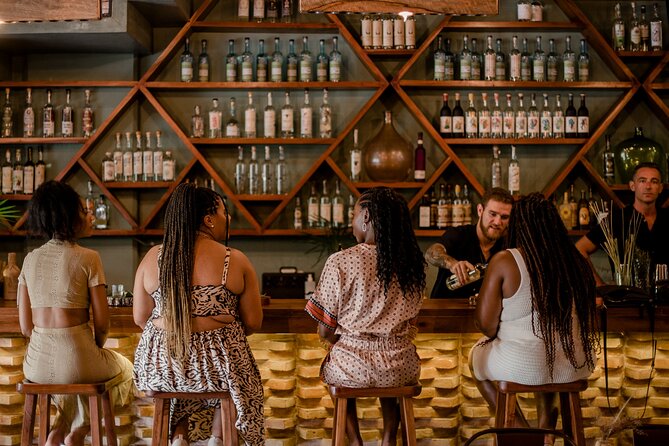
Review · TULUM TOURS
Tequila and Mezcal Tasting in Tulum with Cheese Pairing
Six sips in Tulum, with real stories. This is a guided tasting of six small-batch tequilas and mezcals, paired with Mexican artisanal cheeses that change how you taste. I also like that you get practical lessons, from what makes each bottle different to how to sip mezcal without the usual mistakes. One thing to plan for: the meeting spot can be a little tricky to locate in a pedestrian area, so give yourself extra time.
What makes it especially fun is the mix of spirits and the way the guide connects the dots, across regions, producers, and even the rules behind mezcal. If you’re lucky you’ll get a host like Andreas, Antonio, Gabriel, Ricardo, or Juan, all names that pop up with glowing feedback for friendly, clear explanations. This is also a small-group experience, capped at 10 people, which keeps questions from getting lost.
Key highlights to look for
- Six tastings, not a random pour-fest, paired thoughtfully with cheese
- Producers and regions across Mexico, including Oaxaca plus states like Michoacán, Sonora, Durango, and Guerrero
- How to drink mezcal correctly, including what to skip (yes, orange slices)
- Mezcal rules and culture, including why only 9 states are recognized legally
- Small group (10 max) with time for questions in English
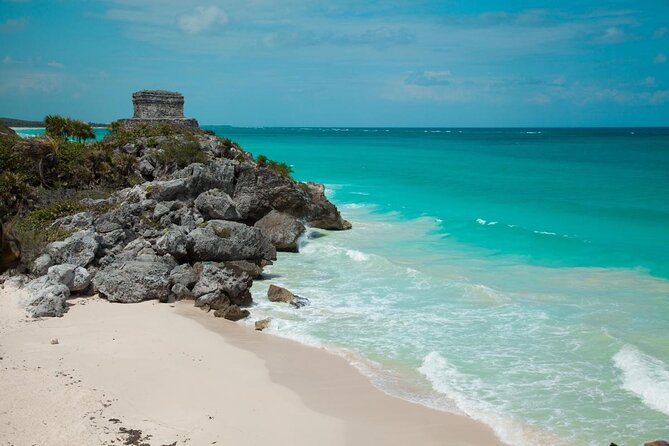
More mornings at the cliff ruins
- Tulum Guided Tour, Magical Cenote, Lagoon Snorkeling and Beachside Lunch★ 5.0 · 1,888 reviews
- Tulum Ruins, Turtles in Akumal and Cenote tour★ 5.0 · 1,706 reviews
- Tulum Archaeological Site & Sian Ka’an Muyil Tour from Tulum★ 5.0 · 824 reviews
- Tulum and Coba with Cenote Swim and Lunch from Cancun★ 4.0 · 595 reviews
Six bottles and a lesson: how you actually start tasting
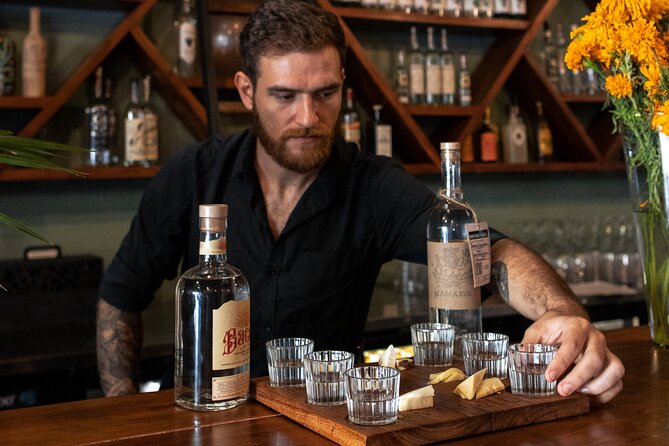
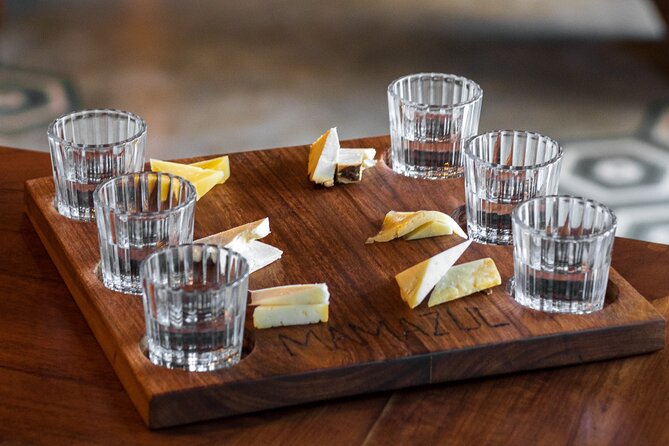
If you only do one adult-drink experience in Tulum, pick something where you learn how to taste, not just what to drink. This tasting is built that way. You sample six classic mezcals and tequilas, and the tastings are paired with Mexican artisanal cheeses. That combination matters because cheese has texture and fat, and it can soften harsh edges while also highlighting smoke, minerality, and sweetness.
I like that the program focuses on small-batch bottles, and that many are sourced directly from producers. That sets expectations fast. You’re not chasing mass-market flavors. You’re tasting craft choices, like how an agave batch behaves, how long it rests, and what the distillation process brings out.
The pairing with cheese is the quiet hero. Without it, mezcal can feel one-note (smoky or bitter) for first-timers. With cheese, you start noticing the difference between, say, a more mineral mezcal and one with more fruit or spice. It also makes the experience feel more like a guided food and drink lesson than a “stand around and sip” event.
Your 5:00 pm starting point at Mamazul Tulum Mezcaleria
You meet at Mamazul Tulum Mezcaleria, in Aldea Zama:
Aldea Zama, And. Kambul entre Andador Kaan y Calle Ixchel, 77760 Tulum, Q.R., Mexico
Start time is 5:00 pm, and the activity ends back at the same meeting point.
This location detail is more important than it sounds. It is a pedestrian area, so you will likely park near a hotel and then walk a short stretch to reach Mamazul. Directions can be a little confusing on first pass, especially if your map app wants to route you through the wrong lane. My practical advice: arrive early enough to settle in and find the entrance without stress.
Also, there is no need to plan a big transit plan. The tour ends where it starts, so you can treat it like a fixed, easy evening block. If you’re pairing this with dinner, build in enough time after the tasting to walk to your restaurant and still enjoy your meal.
What you drink: six tequilas and mezcals, with producers in the mix
The tasting covers classic tequilas and mezcals, and the vibe is structured: you will taste multiple spirits rather than just one or two. The highlight is that you’re sampling mezcals and tequilas that often come straight from the makers. That tends to give you two benefits.
First, it makes the lesson feel concrete. When the guide talks about distillation or terroir, you can taste those ideas right away. Second, it supports the craft side of the industry. Even if you do not think about sourcing today, you will probably start noticing it after tasting.
Mezcal isn’t just Oaxaca
You will taste mezcals not only from Oaxaca, but also from states such as Michoacán, Sonora, Durango, and Guerrero. That matters because the brand of mezcal you picture at home can be too narrow. Agave types, soils, and production styles vary across regions, and that shows up in flavor.
Expect differences in smoke intensity, aromatic lift, and how the spirit feels on the palate. Some pours may feel more mineral or earthy. Others may lean into sweeter, spice-like notes. The goal here is not to memorize flavor descriptions, it is to leave with a better sense of how the spirit is shaped.
Where else to eat properly around Playa


Tequila has its own logic too
You will also sample tequilas from some of Mexico’s best producers. The program includes talk about how distillation techniques, terroir, and the maestro’s experience impact the final spirit. I like that this frames tequila as more than just a mixer base. You taste it as a finished product with its own craft decisions.
Cheese pairing: why it makes the tasting make sense
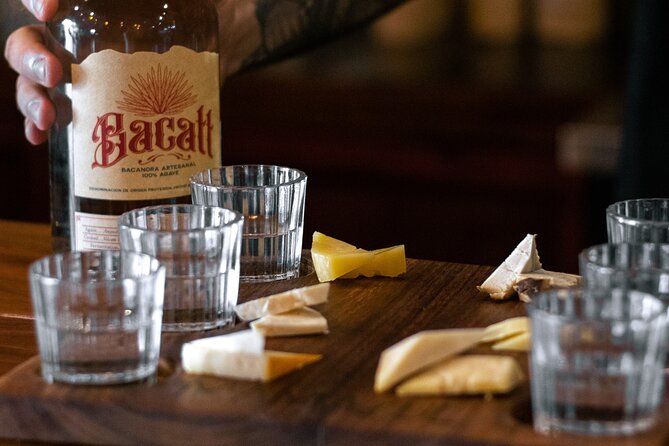
Cheese is not just a side snack here. It is part of the tasting method. When you pair mezcal or tequila with artisanal cheese, you get a “translation layer” between the spirit and your palate.
Cheese can:
- round out harshness in heavier, more smoky mezcals
- highlight aromatic notes that might disappear if you only taste neat
- help you notice sweetness, saltiness, and texture changes across pours
And it keeps the experience from turning into pure alcohol-forward intensity. This is especially helpful if you are new to mezcal. Many first-timers think they either love it or hate it. With a good pairing, you often land in the middle, which is where learning starts.
How you should drink mezcal, and what to skip
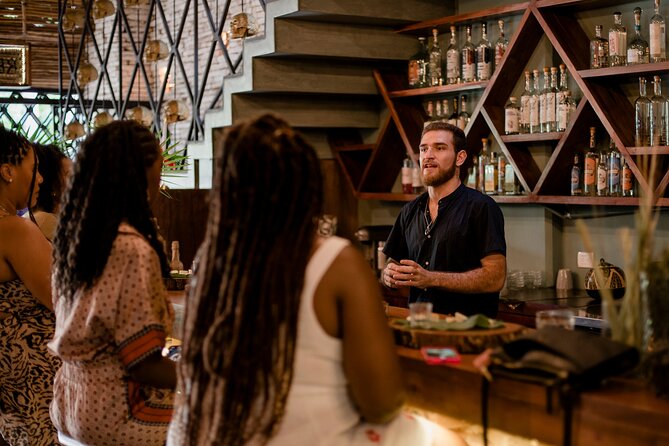
One of the most helpful parts of this tour is the practical instruction: how to consume mezcal and how not to. The guide explicitly flags a common tourist habit: no orange slices. It’s a small line, but it helps you taste what’s in the bottle instead of what’s on the plate.
So what do you do instead? You learn the approach behind tasting, which usually comes down to:
- taking a proper sip and letting it open
- paying attention to smell first, then flavor
- noticing how the spirit changes as you move through the flight
Even if you already have a confident drinking style, these reminders tend to improve your palate fast. You do not need to be fancy. You just need to taste with attention.
Mezcal vs tequila: the quick differences that actually matter
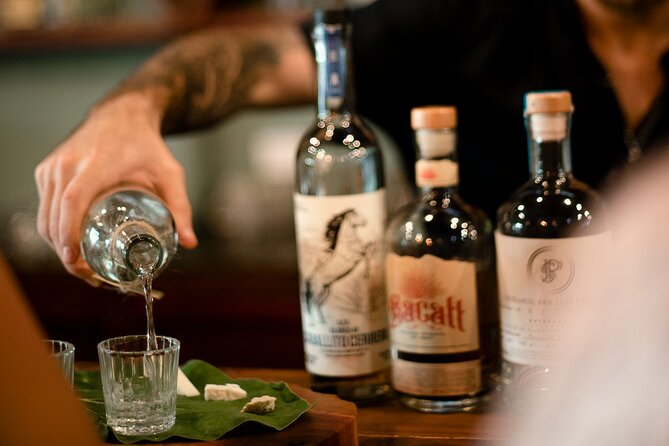
You will learn the difference between mezcal and tequila, and it is more than a label. You will also hear why mezcal sits at a cultural crossroads: it is a heritage practice across Mexico, yet legal definitions are narrower.
For you as a visitor, this is valuable because it changes how you buy bottles later. Instead of treating mezcal like a trend, you start recognizing it as a category shaped by region, production methods, and regulation.
The DO story: why only 9 states are recognized legally
You will hear about the DO system for mezcal and why only 9 states are recognized legally, even though mezcal is historically part of Mexico’s wider cultural fabric. This is one of those topics that sounds technical until someone connects it to what you taste and what you support.
The takeaway is simple: legal categories influence what gets labeled, marketed, and sold. That can affect which producers thrive, which traditions keep getting passed down, and what ends up on store shelves.
If you care about authenticity, this part gives context. It helps you see that the spirit’s story is not just in the bottle. It is in the system around it.
Producer choices, distillation, and terroir you can taste
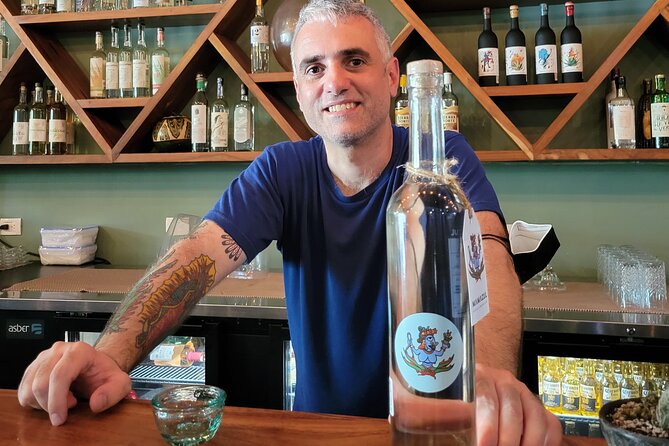
The tasting explains how distillation techniques, terroir, and the maestro’s experience influence the final spirit. You are not going to get a chemistry lecture. You will get a “here’s what it means on your tongue” version.
As you move through the flight, notice how the character changes:
- smoke, when it shows up, can feel different depending on the source and process
- sweetness can read as fruit-like or more like caramelized notes
- mineral or earthy tones can feel more present in some regional styles
This is the part I like best when I do tastings, because it gives you a framework. After a lesson like this, you can taste with a question in mind: what choice might have created this flavor?
The industry reality check: industrial mezcal and biodiversity
You also get the negative side of the story: the industrial effects of mezcals that chase speed and scale. The guide talks about the need to preserve biodiversity, protect local economies, and support mezcal producers.
Even if you do not go home with a protest sign, this discussion is useful. It gives meaning to the phrase small-batch. It explains why preserving agave and supporting regional producers matters. And it connects to why you should care where your bottle comes from.
There is also coverage of past, present, and future of mezcal. That makes the tasting feel grounded. You are not just drinking in the moment, you are getting the broader context behind what’s changing.
Who will enjoy this tasting most
This works best if you fall into one of these groups:
- you are mezcal-curious and want a clean start with guided tasting steps
- you like food pairings and want alcohol explained through taste and texture
- you want a smaller evening activity, not a huge bus tour
- you are a couple or a small group, since the group size max is 10 travelers
It also fits solo travelers who want a conversational format. A small group makes it easier to ask questions without feeling like you are in a classroom.
If you are already a mezcal collector, you may still enjoy it because the flight includes multiple regions, not just one style.
Price and value: what you get for about $119
At $119.41 per person for about 1 hour 30 minutes, this tasting is not the cheapest thing you can do in Tulum. But it is also not a watered-down “social tasting.” You’re paying for a structured flight of six spirits, plus cheese pairing, plus a guided explanation that covers mezcal vs tequila, production influences, regulation, and the industry’s real-world issues.
For value, consider what else costs you similarly:
- a basic bar tasting usually does not include meaningful pairings or production context
- a longer dinner can be nice, but you might not get this level of tasting education in one compact block
If you want a focused adult activity that feels educational and tastes different from bottle to bottle, the math starts to make sense.
Booking, tickets, and the vibe of the group
This tour uses a mobile ticket and is offered in English. It runs at 5:00 pm and typically is booked around 20 days in advance, so if you have a narrow travel window, book sooner rather than later.
There is a maximum of 10 travelers, which helps you feel part of the group rather than swallowed by it. And based on feedback you can expect the guides to be friendly and interactive, with multiple guide names mentioned as standout hosts, including Andreas, Antonio, Gabriel, Ricardo, and Juan.
What to do right after: eating nearby at Mamazul
The experience comes with a nice suggestion for your next step: dine at Mamazul, and try the fettuccine with birria. That is a smart pairing plan because you finish tasting and then switch to a food mode without overthinking where to go.
Plan to eat soon after the tasting, while you still remember the flavor notes. Your brain keeps comparing for a while.
Should you book this mezcal and tequila tasting in Tulum?
I think you should book it if you want:
- a small-group, structured tasting
- cheese pairing that helps you understand the spirits
- explanations that cover both the craft and the cultural rules behind mezcal
I would skip it if:
- you hate standing and walking around a bit to find a pedestrian meeting spot
- you want a super laid-back drinking-only evening with no focus on learning
If you are on the fence, here’s the easiest way to decide. If you enjoy tasting as a skill, this will feel like money well spent. If you just want alcohol, you might feel like you paid for education you didn’t ask for.
FAQ
How long is the tequila and mezcal tasting in Tulum?
The tasting runs about 1 hour 30 minutes.
Where does the tasting start?
You meet at Mamazul Tulum Mezcaleria, Aldea Zama, And. Kambul entre Andador Kaan y Calle Ixchel, 77760 Tulum, Q.R., Mexico.
What time does the tour start?
The start time is 5:00 pm.
What is included in the tasting?
You sample six classic small-batch mezcals and tequilas and you pair them with Mexican artisanal cheeses.
Is the tour offered in English?
Yes, the experience is offered in English.
What is the maximum group size?
The tour has a maximum of 10 travelers.
What is the price?
The price is $119.41 per person.
Can I cancel and get a full refund?
Yes. Free cancellation is available up to 24 hours in advance for a full refund. If you cancel less than 24 hours before the start time, the amount you paid is not refunded.
The Riviera Maya by the Plate


More Tour Reviews in Tulum


Still Heading South? More Tulum


Just reviewed around Tulum



Tulum Tours, compared.
 ★ 5.0Viator Exclusive: Tulum Ruins, Reef Snorkeling, Cenote and CavesFrom $1294,242 reviews
 ★ 4.5Tulum Ruins and Cenote Guided Tour, from CancunFrom $492,592 reviews
 ★ 5.0Tulum Guided Tour, Magical Cenote, Lagoon Snorkeling and Beachside LunchFrom $1691,888 reviews
 ★ 5.0Tulum Ruins, Turtles in Akumal and Cenote tourFrom $1291,706 reviews
 ★ 4.5Tulum & Coba with Cenote, Cave Exploration, Lunch & TastingsFrom $791,274 reviews
 ★ 5.0Full Day Tulum Ruins Tour Cenote and Swimming with Sea TurtlesFrom $1311,171 reviews
 ★ 4.4Tulum Ruins and 2 Cenotes Half-Day TourFrom $42992 reviews
 ★ 4.5Tulum, Coba, Cenote, and Mayan Ceremony Full-Day Tour plus LunchFrom $95973 reviews
Also on these lists