Review · PLAYA DEL CARMEN
Open Water Diver course PADI including underwater video
Learning scuba basics in Playa del Carmen feels real fast. This 3-day PADI Open Water course is a clear path from first skills to open-water confidence, with daily hotel pickup and a tight schedule starting at 8:30 am.
What I like most is how practical it feels from day one, with equipment, classes, and the PADI exam packed into one price. I also love the included underwater video, because it gives you a souvenir and something to review when you want to remember how things should feel.
One thing to think about before you book: you’ll need to complete a health questionnaire, and scuba training within 24 hours of flying is not recommended. If you have asthma, heart conditions, or anything similar, talk to your doctor first so you don’t waste vacation days.
Quick hits if you want the course life
- 3-day structure with a full progression: theory, pool skill work, cenote sessions, then open-water training
- Hotel pickup and drop-off every day across Playa del Carmen, Cancun, and the Riviera Maya
- All equipment and fees included, so you do not show up wondering what costs extra
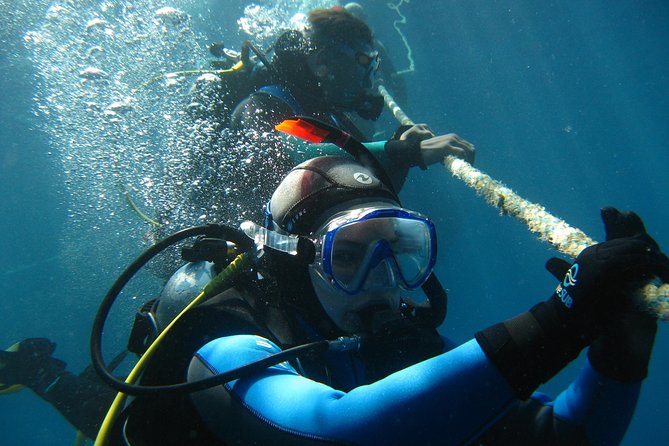
- Two pool sessions, two cenote sessions, two open-water sessions, which is the kind of repetition that builds comfort
- Underwater video included to help you learn your body position and recall the experience
- Small group size (max 15), which usually means less waiting and more instructor attention
More of what leaves Playa del Carmen most mornings:
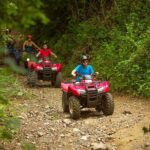
- From Playa del Carmen ATV Adventure with Ziplines, Cenote★ 5.0 · 2,041 reviews
- Half-Day Sea Turtle and Cenote Snorkeling Tour from Cancun & Riviera Maya★ 5.0 · 2,039 reviews
- VIP Chichen Itza Private Tour★ 5.0 · 1,782 reviews
- Playa del Carmen Buggy Tour with Cenote Swim and Mayan Village Visit★ 5.0 · 1,747 reviews
PADI Open Water certification: what this level actually gives you
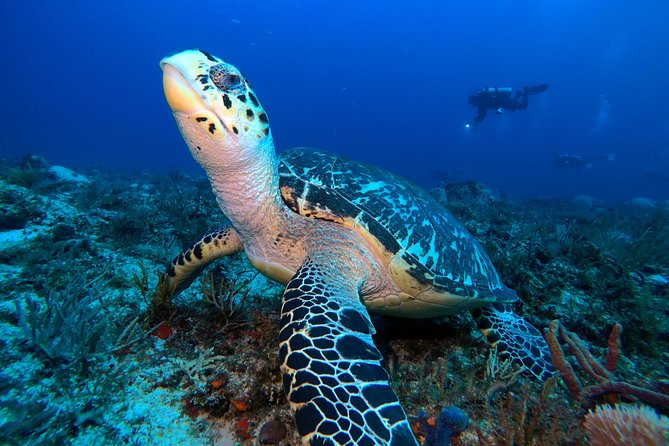
This is the first step in the PADI system, and it is designed to take you from theory into controlled underwater skills. The key benefit is that you earn a worldwide certification that lets you go down to 18 meters once you are properly set up for the conditions where you plan to dive.
You are not just collecting a card. The course is built around competence and calm decision-making. That matters because your confidence underwater tends to rise in proportion to how many times you practice the same core tasks, in the right order, with an instructor right there.
Also, since the training mixes pool work and natural sites, you get a smoother transition than you would with one-off practice sessions. In plain terms, you learn the skills in a controlled place, then you learn how they feel when you add real-world factors like visibility changes, depth, and water movement.
Getting to Diversland and the 8:30 am start you should plan for
Your day starts early at the meeting point near Plaza Palmeiras (C. 11 Sur, Ejidal, 77712, Playa del Carmen). If you booked pickup, you are collected from hotels across Playa del Carmen, Cancun, and the Riviera Maya, then returned each day.
The tour runs for about 3 days, and the start time listed is 8:30 am. For me, that matters because scuba training is easier when you are not rushed or running on hotel-time adrenaline. Build a buffer into your morning routine. Eat something light, hydrate, and keep your gear day simple.
The group size cap is 15 travelers, so you are not stuck waiting around in a huge crowd. Instructors can also keep a closer eye on everyone’s comfort level, which is especially helpful if you feel nervous at the start.
The course is offered in English, and you get a professional, certified multilingual instructor. That combination helps you spend more time learning the why behind each skill, not just memorizing steps.
Theory and the PADI exam focus, with less guesswork than you expect
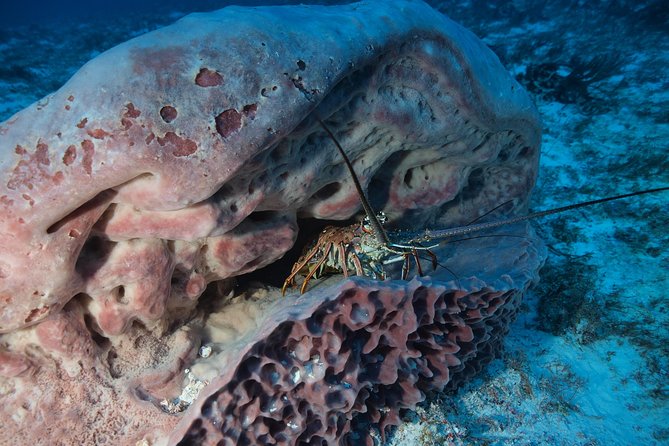
Before you ever gear up, you work through knowledge development. The course format allows for online, independent study, or classroom-style instruction. You also get a digital manual, which is useful on vacation because you can review on your phone or tablet instead of juggling paper.
The reason this theory step is valuable is simple: underwater problems often start as misunderstandings. If you understand buoyancy principles, basic pressure effects, and how the equipment works, you panic less when something feels different at depth.
One extra plus for nervous beginners is that the teaching style is described as patient, with instructors repeating theory and quizzing you along the way. That is what you want. You do not want a fast lecture that leaves you guessing. You want “tell me again until I get it” support.
By the time you reach the exam stage, the overall flow is meant to feel familiar, not sprung on you. The goal is to make the test feel like a formality rather than a surprise.
Pool skill sessions: building control before you go anywhere real
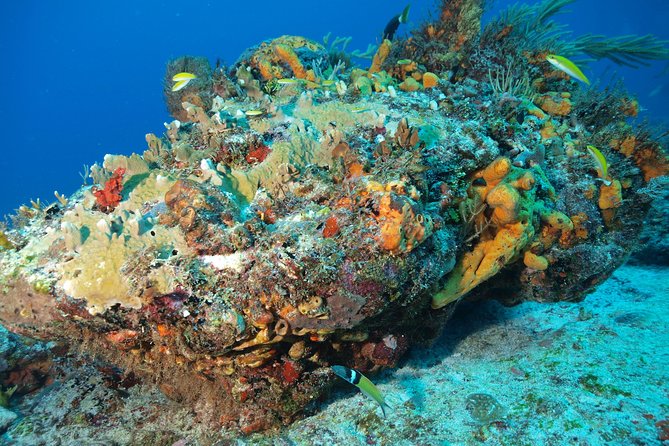
You get two pool sessions, which is the best place to learn without the pressure of open water. In the pool, your job is to practice core scuba tasks until they start to feel automatic.
Even though the exact drills are not listed word-for-word, this is standard PADI Open Water progression: you learn basic scuba skills in confined water, build comfort with your equipment, then repeat those skills so you can focus on breathing and awareness instead of remembering the next step.
Why two pool sessions matter: the first day often feels awkward. The second session is where comfort shows up. Your body learns the rhythm, you start trusting your buoyancy, and you stop thinking in checklists.
Based on the way instructors are described, you can expect a patient pace. That includes explaining steps clearly, giving you time to practice, and staying close enough that you do not feel abandoned if you get a little shaky.
Cenote training sessions: learning in changing light and cooler water
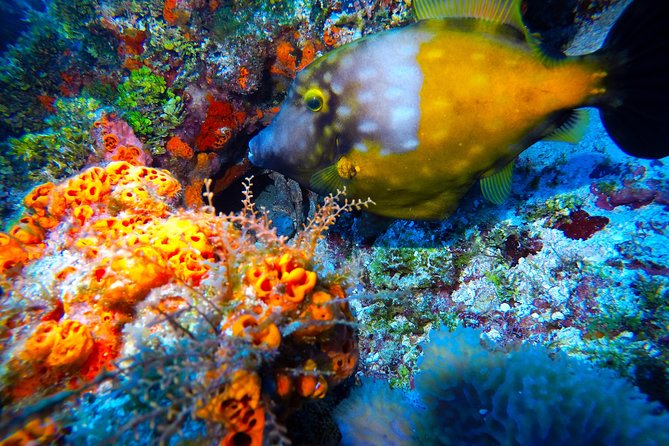
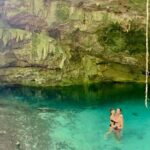
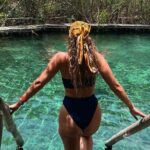
The course includes two cenote sessions. Cenotes are popular for a reason: the water and the natural setting change the way you experience depth and visibility. That makes them excellent training grounds because they push your awareness without turning the experience into a chaotic circus.
One of the most interesting bits is that instructors talk about local cenote characters, including Pancho the crocodile at Casa Cenote. You might not spot anything immediately, but the point is that the cenotes are part scenery, part story, and part training environment.
A practical note: you may find cenote water feels cooler and looks different than ocean surface water. That is not a problem. It is part of the skill-building. You get to learn how to stay calm when the environment is not exactly like the pool.
If weather turns rough on a day, the training team can often adjust plans so you still get meaningful time in the water. Still, it is smart to keep a flexible mindset. Water conditions can shift, and good courses adapt while keeping safety first.
Open-water sessions: putting it together with an instructor close by
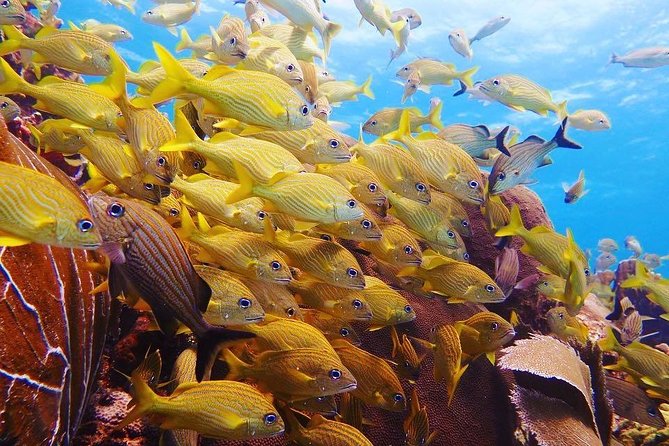
You also get two open-water sessions, which is where everything starts to connect. This is the stage where you stop thinking about gear in isolation and start thinking about yourself as part of a small underwater team.
The main value here is repetition in a real environment. Pool skills teach you motion. Open water teaches you comfort with depth, calm breathing, situational awareness, and how to manage if something feels different.
The instructors’ approach is repeatedly described as safety-focused and reassuring, including staying close and making sure you are not trying to solve problems alone. That is exactly what you want in your first certification experience.
This is also where you will likely notice how your own body settles into the water. Many first-timers report a big emotional shift by the end of a good course: less worry, more curiosity, and a sense that you can handle what comes next.
Equipment, bottled water, and the included underwater video
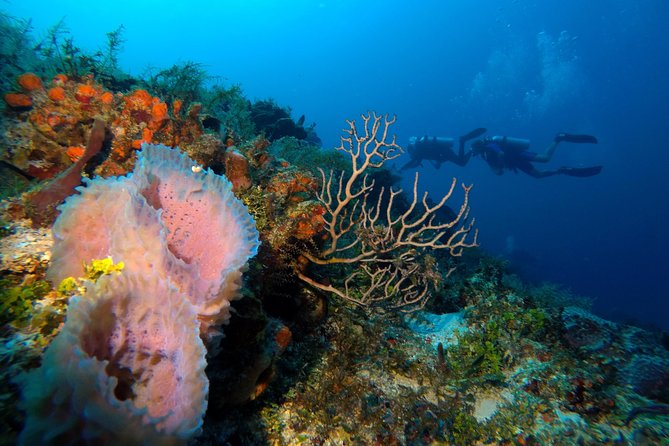
This package includes equipment and bottled water. That removes a common vacation headache: sourcing gear, checking compatibility, and wondering if it will fit right.
You also get:
- digital manual
- all fees and taxes
- PADI certification processing
- underwater video
The underwater video is a standout practical perk. When you review footage, you can spot details like buoyancy control, breathing rhythm, and how your body moves. It is also a good memory tool. Your first course can be a blur of new sensations, and video helps you slow it down later.
If you like learning by feedback, this is one of the best inclusions in the whole course.
Price and value: is $480 a good deal in Playa del Carmen?
The price is $480.00 per person, for an approximately 3-day PADI Open Water course. On paper, that is not the cheapest number you will see, but the value comes from what it includes.
Here is what you get inside the $480:
- hotel pickup and drop-off every day
- equipment
- instruction
- digital manual
- all fees and taxes
- PADI Open Water certification
- bottled water
- underwater video
- training days that move from pool to cenotes to open water
The cost makes sense when you add up the hidden extras. Gear rental alone can be a chunk, and a separate certification process can cost more than people expect. Pickup is also a real value item here because you are not paying for taxis or scrambling for ride shares each morning.
One review note highlights the price feeling cheaper than getting this type of course directly through hotels, by about 150 USD. The important lesson for you is the same: compare the total package, not just the headline price.
What is not included:
- diving insurance (optional)
If you already have travel insurance that covers underwater activities, you may be fine. If not, add a policy before you go, so you do not have to make a rushed decision after arrival.
Who should take this course, and who should pause first
This course fits best if you:
- want a structured path to PADI Open Water certification
- prefer learning with an instructor who stays patient and close
- like the idea of practicing in multiple environments, not just one spot
- want the comfort of included equipment and an instructor-led pace
It can also be great if you feel nervous. Instructors here are described as encouraging, patient, and willing to work at your pace until you are confident with each task. That reassurance matters most at the beginning, when everything is new.
Pause and plan carefully if:
- you have a medical condition that may affect scuba participation (asthma, heart conditions, and similar issues are specifically mentioned)
- you are flying in and you want to train within 24 hours of arrival, because that is not recommended
- you expect a super-private experience. Even though the group cap is 15, this is still a group course, not a one-on-one.
Should you book this PADI Open Water course in Playa del Carmen?
If you want a practical scuba certification experience that feels organized, safety-minded, and beginner-friendly, I would book it. The standout reasons are the hotel pickup, the fact that equipment and all fees are included, and the underwater video you get at the end.
I would hesitate only if your health situation is uncertain or you are landing late and hoping to train immediately. Those are fixable problems with planning, but you should take them seriously.
One last tip: pack light, arrive early, and keep your first day mindset simple. This course works best when you treat it like training, not like a sightseeing sprint.
FAQ
What is the price for the course?
The course costs $480.00 per person.
How long does the PADI course last?
It runs for 3 days, approximately.
What certification do I receive?
You receive PADI Open Water certification, which is the first level of certification.
Is hotel pickup and drop-off included?
Yes. Hotel pickup and drop-off are included every day, and pickup is available for hotels in Playa del Carmen, Cancun, and the Riviera Maya.
What is included in the price?
Included are equipment, classes, all fees and taxes, the PADI certification process, a digital manual, bottled water, professional certified multilingual instruction, and underwater video.
Is diving insurance included?
No. Diving insurance is not included, but it is optional.
What is the minimum age to participate?
The minimum age is 10 years.
Is there any guidance about flying before the course?
Diving within 24 hours of flying is not recommended, and you will be required to complete a health questionnaire prior to diving.
What is the cancellation policy?
You can cancel for a full refund up to 24 hours in advance. If you cancel less than 24 hours before the experience starts, the amount paid is not refunded.