
Review · CANCUN TOURS
Cancun: Sunset Kayak Experience in the Mangroves
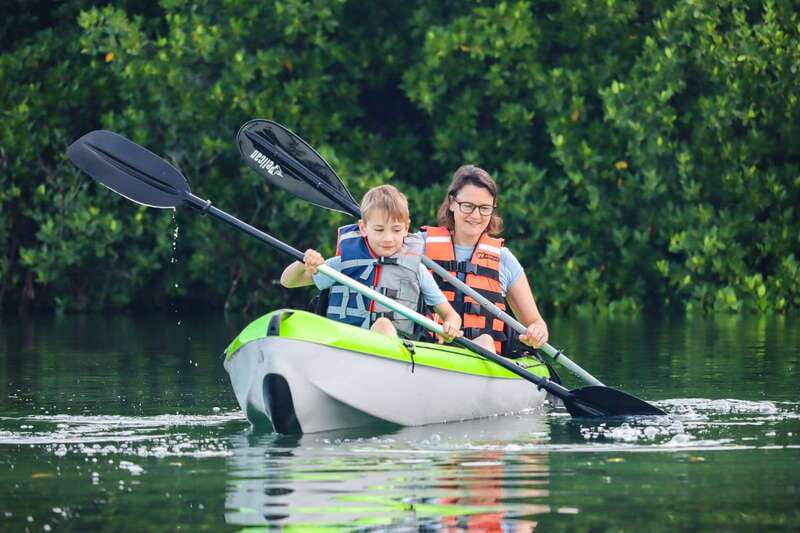
A quiet paddle through mangroves is the best kind of escape. I love the chance at real wildlife encounters in the Nichupté Lagoon, and I also love how the guided pacing keeps it relaxed and photo-friendly from start to finish. You also get a short warm-up so first-time paddlers can feel steady quickly, before you head into the narrower mangrove channels.
My only real caution is simple: this tour is not built for everyone. If you have back issues, mobility limits, recent surgery, are pregnant, or you are below the recommended fitness level, you may find the paddling and getting in and out of the kayak too uncomfortable.
Key Highlights You Will Actually Care About
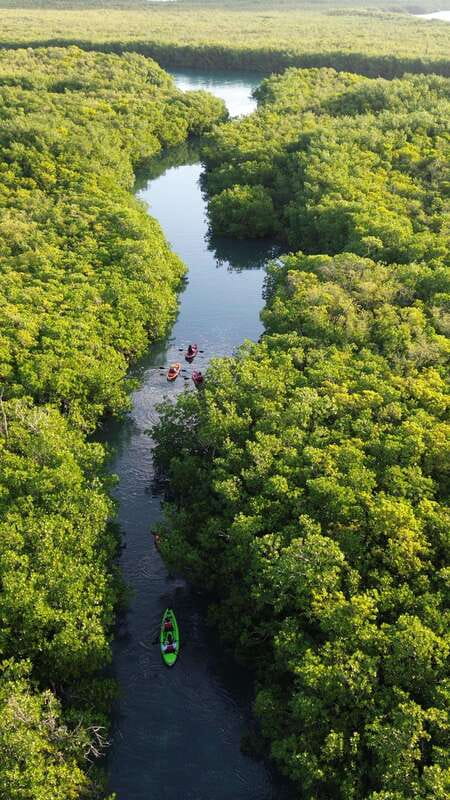
- Small group feel (up to 10), so the guides can manage beginners without leaving anyone behind
- Short paddling warm-up before the real mangrove maze, which helps you get your rhythm fast
- Two guided paddling sections separated by a photo stop, giving you natural breaks instead of one long grind
- Courtesy photos included, plus time for your own pictures during the tour
- Real wildlife odds in mangroves, with chances that include birds, rays, fish, crustaceans, and even baby crocodiles
More that leaves from the Cancun hotel zone
- Cancun: Chichen Itza, Cenote & Valladolid Tour with Lunch★ 4.6 · 6,722 reviews
- Private Roundtrip Transportation from Cancun Airport to Cancun Hotel Zone★ 5.0 · 5,086 reviews
- Cancun ATV Jungle Adventure, Ziplines, Cenote and Tequila Tasting★ 4.5 · 4,873 reviews
- Cancun Best ATV Tour, Ziplines and Cenote Swim with Lunch★ 4.5 · 3,406 reviews
Nichupté Lagoon at Sunset: Why This Kayak Tour Feels Like Cancun’s Other Side
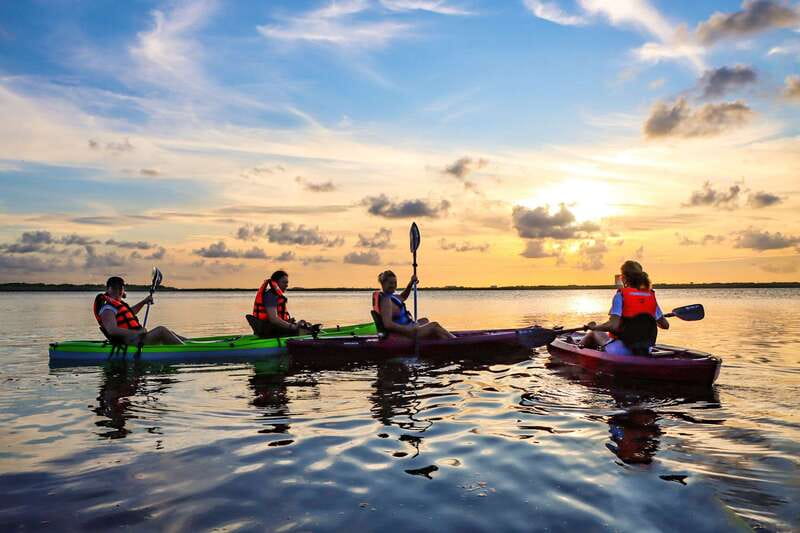
Cancun can be loud. Even the best parts of the hotel zone can start to feel repetitive after a few days. This is the opposite mood. Within a short time, you trade resort noise for mangrove sounds, bird calls, and that slow, steady rhythm of paddles on calm water.
What makes this tour click is that it is not just about kayaking. It is about being in an ecosystem that works on quiet rules. The guides point out what is going on in the water and along the roots, and they also teach you how to notice wildlife without rushing. That changes the whole experience. Instead of just looking, you start reading the environment.
I also like the fact that it is built around a real sunset timing. Even if the sky is not perfect, you still get that late-day feel: softer light for photos, fewer crowds, and a calmer pace in the lagoon. The mangroves themselves also do a lot of the work. The narrow passages and tangled root systems create a sense of privacy that you simply do not get on big boat tours.
Meeting at Go Kayak Cancun: Easy to Find, Built for a Quick Start
You meet at Go Kayak Cancun in the Hotel Zone, around kilometer 5, at Marina Scuba Cancun. It is right next to the pool, and the kayaks are visible by the lagoon. If you are staying near Playa Langosta, you are in the right neighborhood.
This is useful because you do not waste time herding groups around pickup points. There is no hotel pickup or drop-off, so plan on getting here on your schedule. Once you arrive, the whole flow is oriented around getting you to the water fast.
You should also plan your outfit for saltwater and sand. Wear swimwear under what you will keep dry-ish, then add things that handle sun and splash. Flip-flops make sense for the short walk around, and they keep you from messing around with wet shoes for the rest of the day.
Safety Briefing and a Paddling Warm-Up That Actually Helps
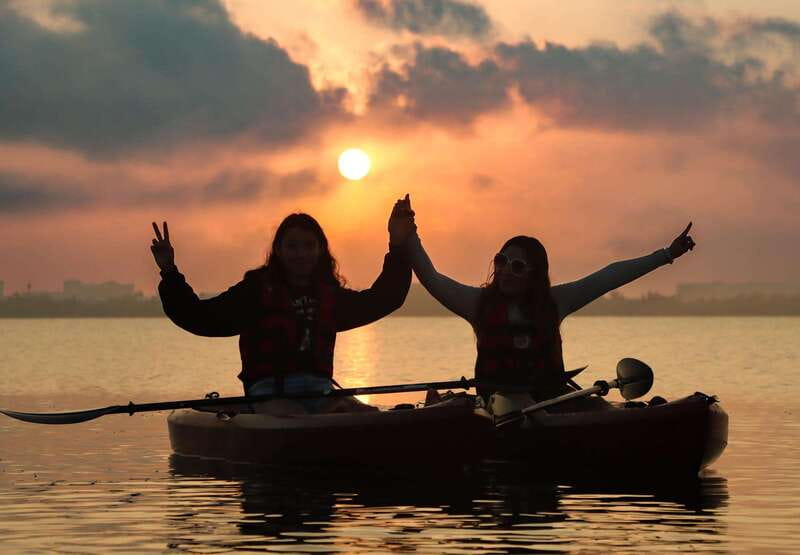
Before you start the real paddle, you get a safety briefing for about 15 minutes. This is not a lecture. It is the basics you need to handle the kayak confidently. You will review how to paddle, how to keep control, and how to behave around the other kayaks so the group stays together.
The best part for beginners is the warm-up pacing. Reviews repeatedly mention guides being patient with first-timers, and you can feel why. A mangrove route is not the place to figure out your stroke for the first time. Here, you get the basics first, and you are not thrown into the narrowest areas until you are comfortable.
You will also be fitted with life jackets/vests, and you use provided kayaks with oars and back support. That last detail matters more than most people think. Having back support makes it easier to stay steady without tightening your whole body for the entire trip.
First Guided Paddle: Into the Nichupté Lagoon Mangroves
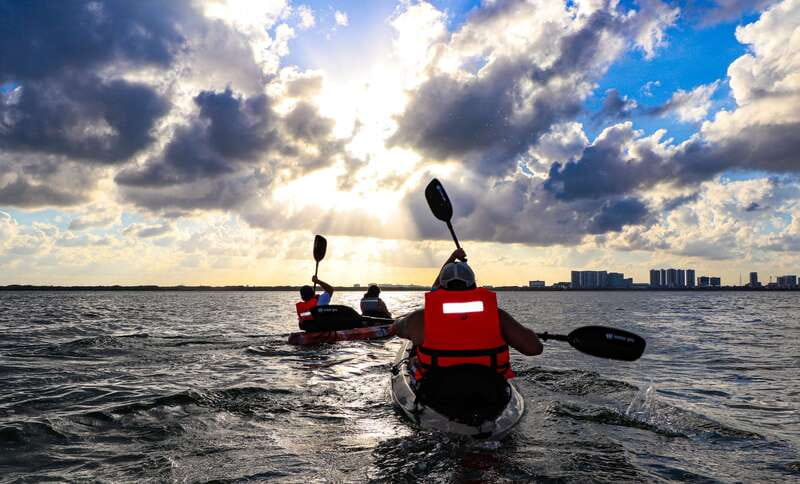
After the briefing, you head out for about 45 minutes of guided kayaking. This is where the tour becomes memorable, because you are not just on open water. You are working through a living shoreline.
The guide steers the route, and you learn what you are looking at. Mangroves are not just pretty roots. They are a nursery and a shelter system. Fish and other creatures use the structure, birds use the perches, and predators can move through with less visibility. That structure is why the tour can feel so wildlife-oriented even when wildlife does not show up instantly.
What else this coast does after dark

What to do with your eyes
Animals in this kind of ecosystem often detect you before you detect them. That is why the self-challenge advice matters: you get more success if you use more than your eyes. Listen for the small sounds that give away movement, like birds fluttering, branches cracking, or calls from farther down the channel.
In practice, this means you should not stare at the water in one frantic spot. Instead, scan slowly. Pause for a moment when the guide stops, then watch what changes. Often the most interesting moments are the ones you notice after you stop paddling for a second and let your presence settle.
Wildlife odds
From the tour description and real guest sightings, your best chances include birds and small marine life like fish and crustaceans. You might also spot rays and other sea animals, and the guides specifically aim for wildlife moments. Multiple guides and guest accounts highlight baby crocodiles in the area. Your chance depends on the day, but the guides do not treat wildlife as random luck. They work for it by slowing down and scanning the water and roots.
Mid-Tour Break and Photo Stop: Use the Pause Like a Pro
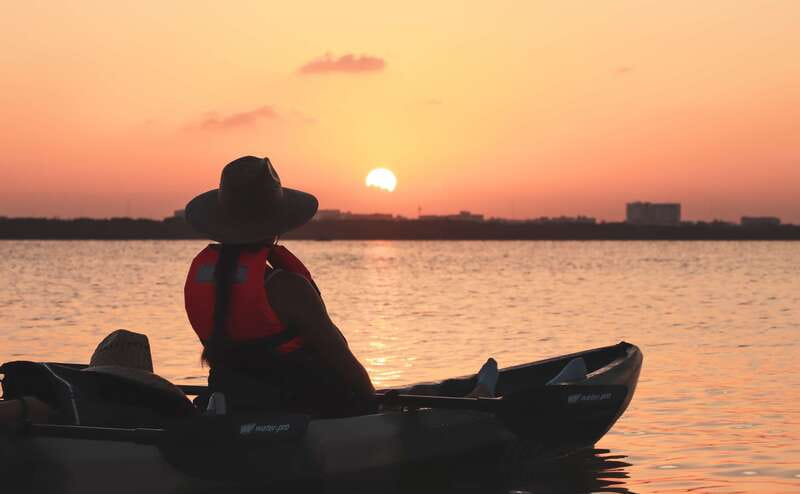
About halfway through, you get a 15-minute break and a photo stop. This is built into the flow for a reason. After a bit of paddling, it gives your arms a recovery window, and it also gives you a chance to reset your camera and get the best angles.
This is also the time when you should decide what you care about most. If you want wide shots, look for gaps in the mangroves where the light falls in. If you want close-up shots, check the water surface and edges where roots meet open channels. The lagoon often changes from moment to moment as you move from one pocket of water to another.
You will also have time during the tour to take photos yourself. Plus, courtesy photos are included. That matters because even confident photographers run into the same problem: you are in a kayak. Someone else grabbing you from the right angle can save your whole album.
Second Guided Paddle: The Part That Feels Like Real “Sunset Kayak”
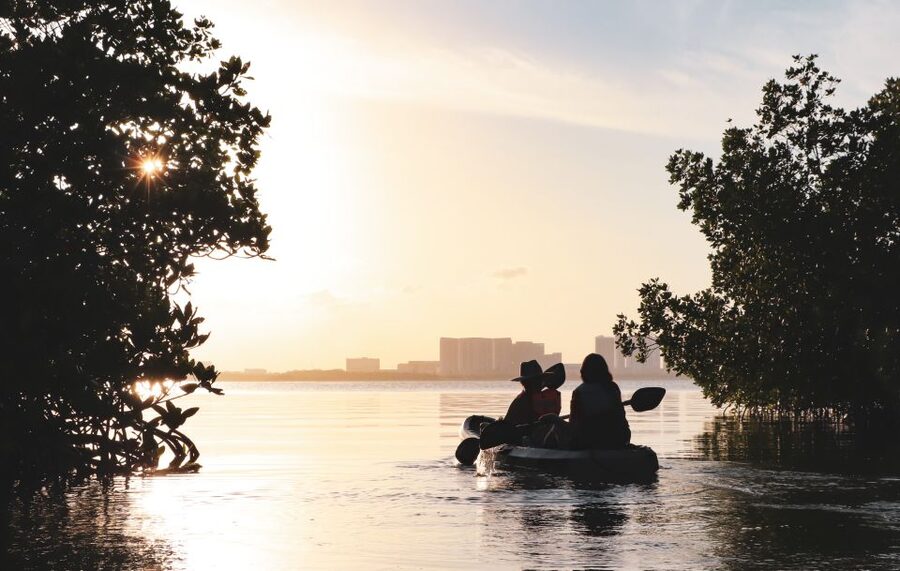
The final 45 minutes are another guided kayaking stretch back out through the lagoon. This portion is where the tour leans into the sunset vibe most strongly.
With the group in motion again, you are likely to notice two things:
- The paddling feels different after the break. You are looser, and you can focus on steering and staying smooth.
- The environment looks different as the light softens. Mangrove roots turn from “background texture” into actual shapes and shadows that make photos pop.
This is also the part where wildlife sightings often happen, simply because movement patterns in the lagoon and animal activity can shift during the late-day window. Guides who know the area will slow down when they see signs, so you are not racing through the best moments.
If the day is breezy, expect that to affect water conditions. One recurring theme from guest experiences is that the operator watches conditions closely and may offer choices on windy days. On those days, the tour may run differently, or you may be asked whether you feel confident to continue. That is not a gimmick. Wind can change everything about stability and comfort, especially in an enclosed channel.
What You May See in the Mangroves (And How to Increase Your Chances)
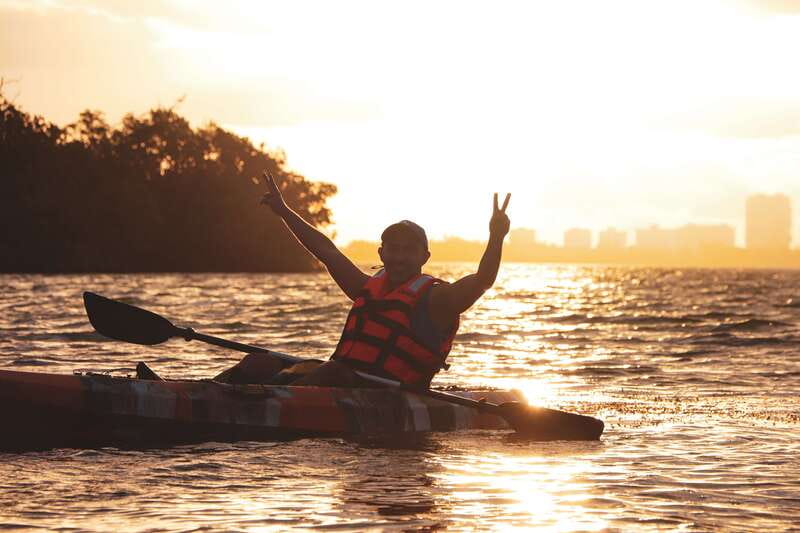
Mangroves are busy, but you might not see it immediately. Your goal is not to force wildlife. Your goal is to be in the right state of attention.
Based on the tour description and the range of sightings shared by guests, your list could include:
- Birds such as herons and pelicans
- Fish in and around the calmer pockets of water
- Rays, including stingray sightings
- Crustaceans like crabs
- Other sea life like starfish and smaller marine animals
- Possible baby crocodiles, depending on the day
The most useful tip is the one about senses. Animals may see, hear, or smell you before you realize they are there. So treat the kayak like a quiet approach vehicle:
- Paddle smoothly and avoid sudden splashes
- Pause when the guide cues you in
- Watch the water edge and root systems, not only open water
- Listen for clues, then look where the sound likely leads
And remember: even if you do not spot everything, the tour still delivers. The mangrove experience is the point. Wildlife just makes it feel like you found the jackpot.
Guides, Group Size, and What That Means for Your Comfort
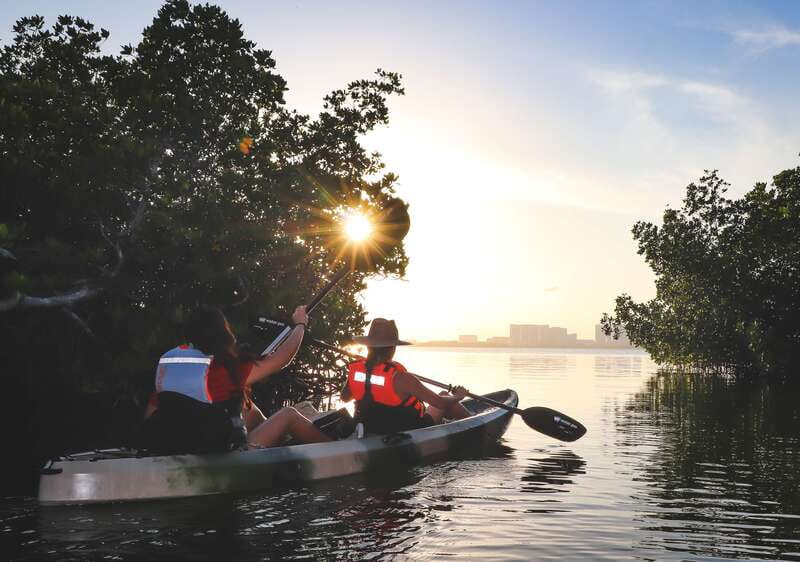
The group is limited to 10 participants, and you kayak with bilingual guides (English and Spanish). In practice, this matters for pacing and attention. With a small group, the guides can watch everyone’s form, help beginners without slowing down the whole trip, and adjust as conditions change.
You may also meet guides like Andrés and Berto, both named in guest accounts. One theme that shows up often is patience for new paddlers and real passion for the environment. Guides are not just describing animals as facts. They are explaining how mangroves function as shelter, nursery habitat, and feeding grounds.
If you are nervous about kayaking, this is a tour that tends to meet you where you are. Even if you have never been in a kayak before, the combination of warm-up, back support seats, and guided pacing is the safety net.
Choosing a Single or Double Kayak: A Small Decision With Big Comfort Payoff
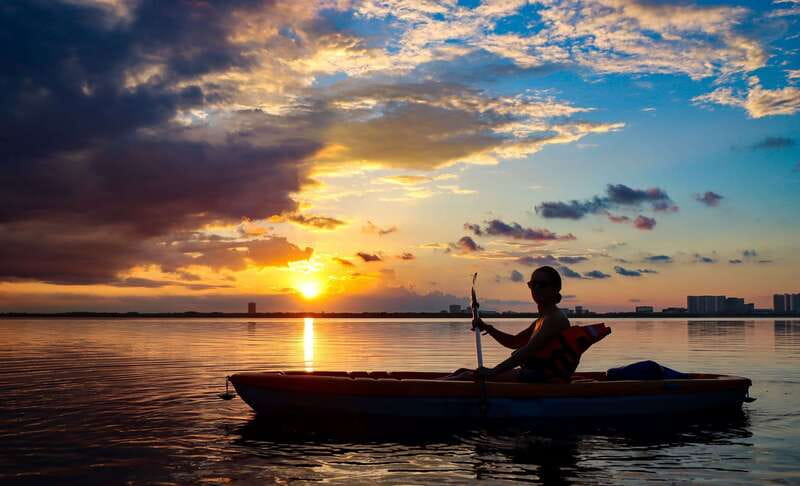
The equipment includes double or single kayaks, and the structure of the tour makes your choice matter.
A single kayak can be a good move if you want to get comfortable faster and steer your own line without coordinating with a partner. Several guest comments recommend a single kayak as easier to manage and pick up quickly.
A double kayak can work well if you prefer company or if one person feels less confident. You still get help from the guides, but teamwork inside a moving kayak takes a bit of practice.
If you can choose, I suggest picking the option that matches your confidence level and your comfort with coordination.
Weather, Wind, and Your Best Plan for a Great Sunset
A sunset kayak sounds straightforward. In real life, weather is part of the deal. Wind can make paddling harder and can push the water feel from calm to choppy.
On windy days, the operator may warn you in advance and offer a choice to postpone or proceed depending on confidence. This is worth respecting. If you are prone to motion discomfort, do not “tough it out.” Ask questions early and choose the option that keeps you comfortable.
Also, clouds can soften the sunset look. If you plan your trip around a perfect orange sky, you might feel disappointed on a cloudy evening. But even then, the mangrove atmosphere, the guided route, and the wildlife odds can still make the tour a highlight.
Price and Value: Why $47 for Two Hours Can Be a Smart Use of Time
At about $47 per person for a two-hour experience, this sits in the “worth it if you like nature” range, not the “just because it is cheap” range.
Here is what you are paying for:
- Provided kayaking equipment, including kayaks with back support
- Life jackets/vests
- Bilingual guides and a small-group setup
- Water
- Courtesy photos
- A guided route designed specifically for mangrove wildlife viewing
What you are not paying for: hotel pickup, drop-off, and lunch.
So the value depends on how you compare it. If you compare it to a typical beach outing that uses your whole afternoon with little added value, this feels efficient. Two hours plus included photos can turn into a real memory.
If you hate any kind of “active” excursion, the cost will feel harder to justify. But if you enjoy nature, photos, and a little movement, $47 for guided kayaking in the Nichupté Lagoon is a solid deal.
Who This Tour Is Best For (And Who Should Skip It)
This experience fits best if you:
- Want a calmer side of Cancun beyond the main hotel strip
- Like wildlife-focused outdoor time
- Are comfortable with light-to-moderate paddling
- Want a guided experience that works for beginners too
It is not suitable for children under 10, pregnant women, people with back problems, people with mobility impairments, people with recent surgeries, or anyone with low fitness.
Also note the weight limit per kayak is 110 kg / 245 lbs. If you are near that threshold, choose the kayak option that supports safe seating and handling.
What to Bring: Pack Like You’re Already on the Water
Bring:
- Hat
- Swimwear
- Biodegradable sunscreen
- Flip-flops
- Biodegradable insect repellent
You will also get water during the tour. The operator recommends bringing your own reusable bottle to reduce single-use plastics, which is a smart habit if you have one.
Plan for saltwater conditions. Even with a careful guide, you will get some splash. Put your phone and valuables in a safe, simple setup. (If you bring a waterproof pouch or small dry bag, you will feel calmer.)
Final Call: Should You Book This Sunset Kayak Experience?
If you want one activity that feels more local than the usual Cancun checklist, I would book it. The combination of small group size, guided paddling through mangrove waterways, and a real focus on wildlife makes this more than a scenic ride.
I would only hesitate if any of the following apply: you need hotel pickup, you have significant mobility or back issues, you are uncomfortable with paddling effort, or you are traveling with the expectation of a guaranteed dramatic sunset sky.
If that all sounds like you, then this is a great bet. You will leave with mangrove photos, new skills, and that satisfying feeling of getting away from the busy parts of town for a while.
More Tour Reviews in Cancun


What Else Happens After Dark


Cancun, Same Coast, Different Day



Just reviewed around Cancun




Cancun Tours, compared.
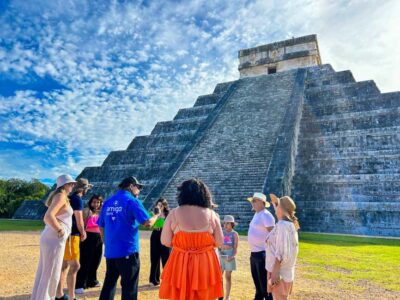 ★ 4.6Chichen Itza, Cenote & Valladolid Tour with LunchFrom $496,722 reviews
 ★ 4.5Cancun Best ATV Tour, Ziplines and Cenote Swim with LunchFrom $483,406 reviews
 ★ 4.5Tulum Ruins and Cenote Guided Tour, from CancunFrom $492,592 reviews
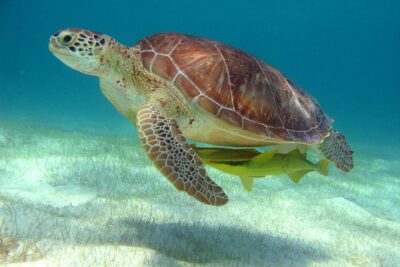 ★ 5.0Half-Day Sea Turtle and Cenote Snorkeling Tour from Cancun & Riviera MayaFrom $992,039 reviews
 ★ 5.0Adults only Hip Hop Sessions Boat Party CancunFrom $1051,797 reviews
 ★ 4.5Reef Snorkeling in National Park from Cancun with Beachside LunchFrom $441,781 reviews
 ★ 5.0Horseback Riding and Cenote Swim from Cancun or Playa del CarmenFrom $1201,780 reviews
 ★ 4.55-in-1 Cancun Snorkeling: Turtles, Reef, Musa, Shipwreck, CenoteFrom $791,678 reviews
Also on these lists