
Review · HOLBOX ISLAND TOURS
Bioluminescence Experience in Holbox
Bioluminescence over Holbox feels unreal. This is a night snorkeling and stargazing style outing where your guide helps you time the magic, gear you up, and leads you into calm waters around the island. Bioluminescent plankton can light up as you move, so it’s not just looking, it’s participating.
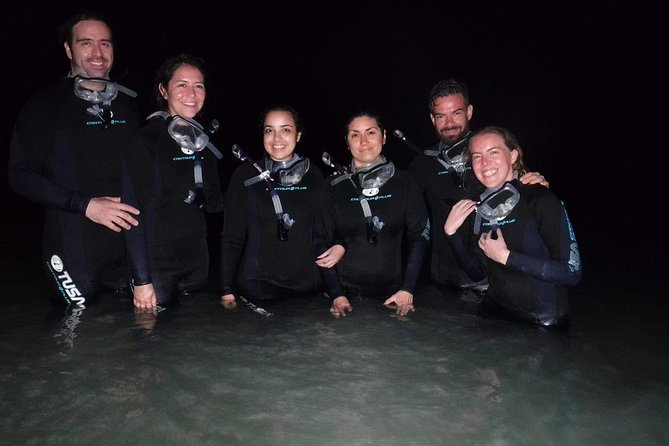
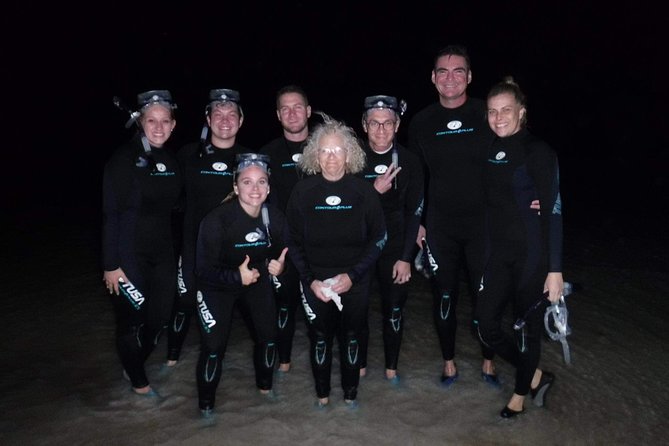
What I like most is the full gear kit delivered right to your stay in Holbox, including long wetsuits and water shoes that help with the night conditions. I also really appreciate the small-group setup with a SECTUR certified guide, so you get explanations and support instead of being left to figure it out.
The big consideration is timing. This experience depends on the lunar cycle and it can’t run on full moon nights, so your date matters, and the intensity can vary night to night.
Key Things That Matter Most On This Holbox Bioluminescence Trip
- Lunar cycle drives the schedule, and full moon nights are off limits
- You get complete night snorkeling gear, including wetsuit and mosquito mask
- Your guide stays with you and gives short explanations while you snorkel
- Plan for a dark-walk phase (follow rules, keep lights off)
- If bioluminescence is weak, you can reschedule or get a refund
- Night conditions mean bugs are part of the deal, even with the wetsuit setup
More of what leaves Playa del Carmen most mornings:
- Bioluminescence Experience in Holbox★ 4.5 · 378 reviews
- From Riviera Maya: Holbox Full-Day Tour with Lunch★ 4.3 · 322 reviews
- Kayak Mangroves Sunrise Experience★ 5.0 · 207 reviews
- Boat Tour of Three Islands in Holbox with Transportation★ 4.5 · 172 reviews
Why Holbox Night Snorkeling Works So Well
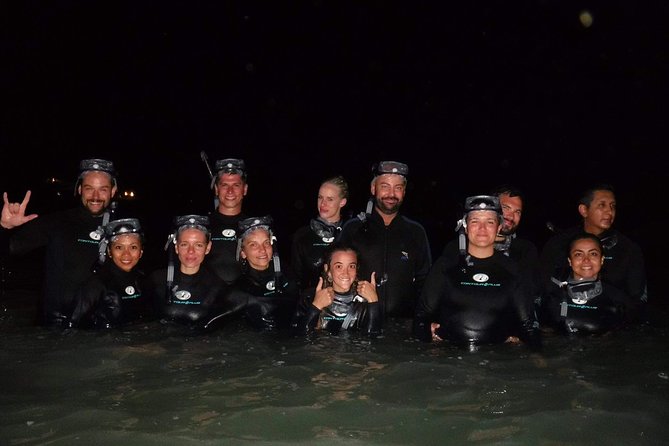
Holbox is one of those places where the night feels different. On this outing, you’re not searching for a beach party, you’re searching for a natural signal. Bioluminescent plankton light up when they get disturbed, and the water around Holbox can deliver that effect in a way that feels almost theatrical.
What makes this experience appealing is that the plan is built for the biology. You’re scheduled for specific lunar conditions, you’re geared up for low visibility and chill water, and you’re guided through the right behavior in the water. The result is that you can spend your energy on noticing details: how the glow starts, how it moves with your motion, and how quickly the whole scene changes as you slow down or kick.
Pickup Timing and The Simple Reality of Night Logistics
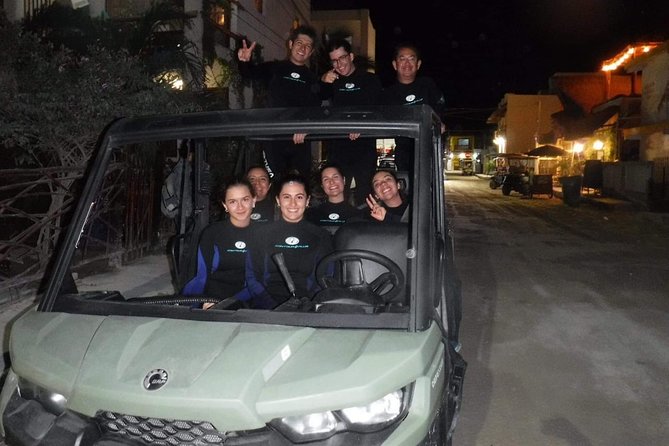
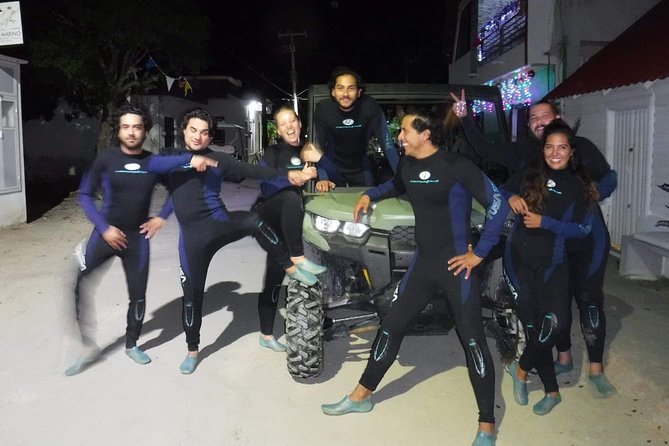
The start time is 10:00 pm, and pickup is arranged within Isla Holbox. In practice, that means you don’t need to coordinate a complicated meeting across the mainland. Your guide meets you in a buggy and takes you to the tour area.
Here’s the key practical tip: during the day, the equipment is distributed at your place of stay, and you’re expected to wear it when the guide comes. That removes the usual last-minute scramble of getting dressed in a parking lot. You’ll also want to leave valuables behind, because this is a “keep it simple at night” kind of activity.
Also note the timing can shift. The schedule varies depending on the lunar cycle and is confirmed the day before your date. So if your itinerary is packed with other late-night plans, build in some flexibility.
Your Gear Checklist: What’s Included (and What You Still Need)
The experience includes a full set of equipment plus transfers within Holbox. You get:
- Long wetsuit
- Mosquito mask
- Special water shoes and professional snorkeling masks
- Additional special shoes for water
- SECTUR certified guide
- Private transportation in the area
That gear list matters because Holbox nights are not about comfort alone. A wetsuit plus water shoes gives you a physical barrier when you’re in mangrove areas or shallow water with you-and-your-skin close to the environment. Several guides referenced by name across the experience (including Alex, Alan, and Javier) are praised for keeping the process organized, including helping you get into the right setup fast.
What’s not provided is your personal bug protection. Bring bug repellent. Even with the wetsuit and mosquito mask, the night environment can still generate bites, especially if conditions are calm and insects are active. One common pattern in the feedback is that people who show up with repellent tend to feel way better about the whole night.
Before You Hit The Water: Rules, Light Discipline, and The Dark Walk
There’s a phase before snorkeling begins. You’ll be informed of precautions and the correct way to do the activity once you arrive at the location.
One detail that comes up in feedback is that you may need to leave your phone behind during parts of the trip, and you may be asked not to use flashlights or phone lights. The reason is straightforward: light pollution reduces the quality of what you see, both the stars and the glow in the water. It’s also easier for the guide to manage safety when everyone follows the same rules.
You should be ready for a dark walk portion. The terrain can be tricky in mangrove-adjacent areas, so wear the water shoes you’re given or bring your best grippy footwear. Go slow. Stay close to your guide. If you come in thinking you’ll have full freedom to stop and take pictures every minute, you may feel constrained. If you’re okay treating it like a guided night nature experience, you’ll probably enjoy it more.
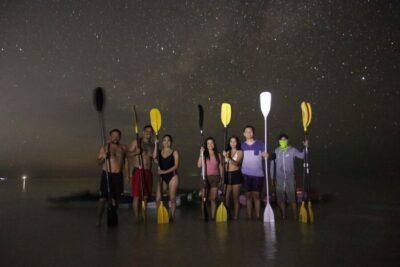
The Main Stop: Holbox Waters and The 1-Meter “Sweet Spot”
The core action happens around Holbox Island. You start snorkeling in sea or mangrove areas around the island at about 1 meter depth, with the session running for roughly two hours.
That depth choice is a smart one for bioluminescence viewing. It keeps you shallow enough to feel stable, and it keeps you close to the surface where the glow is visible. It also fits a group setting: you’re less likely to drift far away or struggle with deeper water conditions.
What you might notice first is how quickly the glow changes based on your movement. When you create gentle motion, you often get a more consistent effect. When you move too aggressively, you might stir more debris or simply lose the delicate “sparkle” you came for. Your guide will explain how to handle your body and how to interact with the water so you maximize the phenomenon.
How the Guide Turns You Into Part of the Show
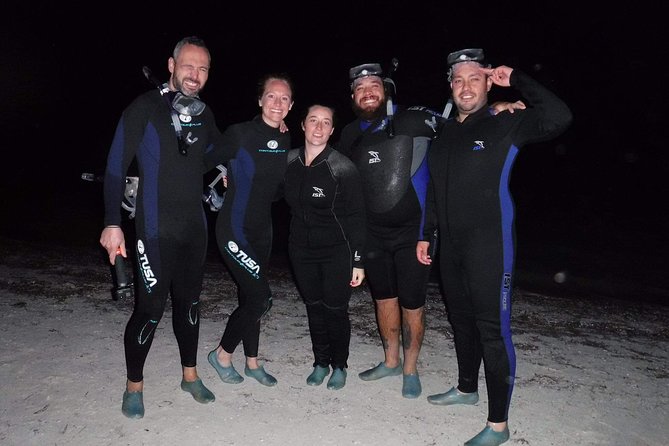
This is one of the reasons the experience feels special when it goes well. The guide isn’t just there to keep you safe, they actively help you produce the effect.
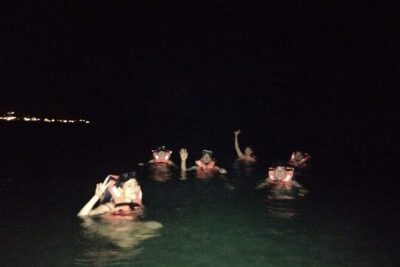
In the water, you’re encouraged to do simple actions, like waving your hands underwater or forming a group pattern so you can see the light respond to motion. This is the difference between watching bioluminescence from the edge and experiencing it up close in your mask.
Guides also add short explanations about what you’re seeing. Many experiences include a quick astronomy moment before or alongside the snorkeling. In feedback, guides like Alex and Javier are praised for pointing out stars and constellations, sometimes using a laser pointer. One person even noted spotting Starlink satellites. You should treat this as a bonus, not a full astronomy lecture, but it’s a nice way to make the night feel even more complete.
Lunar Timing: Why Your Date Can Make or Break the Glow
This is the part you cannot ignore. The schedule varies based on the lunar cycle. The experience cannot be carried out on full moon nights.
Here’s the practical takeaway. If you book near a bright moon phase, bioluminescence can still happen, but it may be less intense or less dramatic. One piece of feedback mentioned that bioluminescence felt underwhelming when the moon was only a few days past full. On the other hand, guides may adjust the timing when they think conditions won’t deliver.
Some schedules can shift later in the night to protect visibility. For example, one family’s trip reportedly moved toward 3:00 am to avoid a near full moon. If you’re flexible with bedtime and you don’t need the next day to be perfect, that flexibility pays off.
Also remember the tour is weather dependent. If conditions aren’t right, you’ll be offered a different date or a full refund, and the guide’s ability to find the best viewing spot can also depend on wind and water conditions.
Small-Group Feel and Real Interaction With The Guide
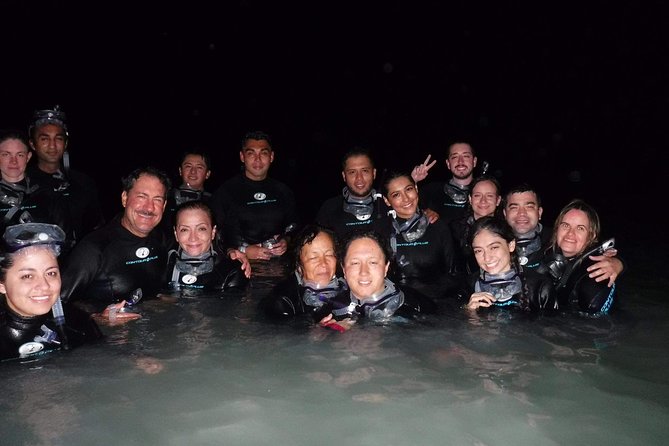
The group size cap is 24 travelers. That’s not tiny, but it’s small enough for a guide to keep an eye on everyone and answer questions while you’re waiting to go in, while you’re suiting up, and while you’re in the water.
This matters because bioluminescence isn’t a one-size-fits-all effect. Some nights are stronger than others. The best guides help you shift from disappointment to curiosity fast: they re-check the water conditions, adjust the approach if needed, and explain what you should look for.
You’ll also get the benefit of consistent gear handling. Equipment is distributed at your stay, and you’re picked up in a buggy to the site. That reduces the chaos factor that can pop up with outdoor night tours.
What Happens If The Glow Isn’t There?
This is one of the more comforting promises. If bioluminescence does not appear, you can reschedule the tour or receive a refund.
That clause changes the value equation. You’re not just gambling on luck. You’re buying a guided experience that aims to optimize viewing conditions, and you’re protected if the phenomenon isn’t visible that night.
Still, keep expectations grounded. Bioluminescence usually looks best when you’re able to look slowly and let your eyes adjust. If you treat it like a stage show you can immediately photograph perfectly, you might feel let down. But if you treat it like a living reaction you can trigger with gentle motion, you’ll likely feel more satisfied.
Common Complaints to Take Seriously (So You Can Prevent Them)
Most of the feedback is strongly positive, but there are a few issues worth planning for.
Bugs happen, even with gear. Some people described long periods in mangrove-adjacent areas with lots of insects. That’s why repellent is important, and why wearing every layer you’re given matters. If you’re highly sensitive to bites, plan ahead.
Dark walking can feel uncomfortable for some people. One negative account described a long walk through dark mangroves with tripping hazards and mentioned restrictions on flashlights and phones. Even if you don’t share that level of discomfort, it’s a reminder: follow guide instructions, stay close, and use your water shoes.
Expectation setting helps. Several experiences emphasize that the glow intensity is not always identical night to night. If you’ve only seen viral videos, the real thing may feel subtler at times. The best approach is to show up curious, not demanding.
Value Check: Is This Worth It Compared to DIY Snorkeling?
You’re paying for three types of value here:
- Gear and protection: wetsuit, mosquito mask, water shoes, and snorkeling masks are included
- Local guidance and timing: lunar-cycle scheduling and a guide who helps you interact with the water
- Logistics inside Holbox: pickup in the island area, transfers to the site, and return to your stay
If you DIY by hopping in shallow water on your own, you might get some glow. But you’re giving up the tailored timing, the behavior coaching, and the safety support. Plus you would still need to source proper gear and deal with nighttime conditions without a guide.
The included gear is the most tangible cost saver. In a place where bugs and wet conditions are part of the deal, those protective layers can make a huge difference between a fun memory and a miserable night.
Who Should Book This Holbox Bioluminescence Tour
This experience fits you best if you:
- Want a guided night snorkeling experience where you’re taught how to trigger the glow
- Prefer being handled, with gear dropped off and pickup arranged inside Holbox
- Enjoy stargazing add-ons, constellation pointing, and learning while you wait for the night to deliver
- Can bring repellent and tolerate a bit of nighttime discomfort for a memorable natural phenomenon
You might think twice if you:
- Hate insects and are not willing to use repellent even with provided gear
- Strongly dislike dark walking or following rules about lights and phones
- Need a perfectly photogenic outcome on demand, because your best viewing depends on how your eyes adapt and how the night conditions line up
Should You Book This Holbox Bioluminescence Experience?
If you want the most help with the biggest variables, I’d book it. The promise to reschedule or refund if bioluminescence does not appear, plus the included wetsuit, mosquito mask, and guide-led water interaction, makes this feel less like a gamble and more like a planned night adventure.
Book it confidently if you’re flexible with timing due to moon conditions and you can go in expecting a living, changing glow rather than a guaranteed video-perfect spectacle.
FAQ
What time does the Holbox bioluminescence tour start?
The start time is 10:00 pm, with pickup arranged for you within Isla Holbox.
Where does pickup happen, and is transportation outside Holbox included?
Pickup and transportation are only available within Isla Holbox. The tour does not offer transportation service outside Holbox Island.
How long is the experience?
The tour duration is listed as approximately 1 hour 30 minutes. The night snorkeling itself is described as beginning around Holbox at about 1 meter depth, with an approximate duration of two hours.
What snorkeling depth and location are used?
Night snorkeling begins in the sea or mangrove around Holbox Island at an approximate depth of 1 meter.
What equipment is included, and what should I bring?
You receive snorkeling equipment and protective items including a long wetsuit, mosquito mask, special water shoes, and professional snorkeling masks. Meals and drinks are not included, and you should also plan to bring bug repellent since mosquitoes can still be an issue at night.
Can this be done on full moon nights?
No. The experience cannot be carried out on full moon nights, and schedules vary based on the lunar cycle and are confirmed the day before.
What if the bioluminescence does not appear or weather cancels the tour?
If bioluminescence does not appear, you can reschedule or receive a refund. If the activity cannot run due to weather conditions, you’ll be offered a different date or a full refund.
More Tour Reviews in Isla Holbox
Just reviewed around Isla Holbox


Holbox Island Tours, compared.
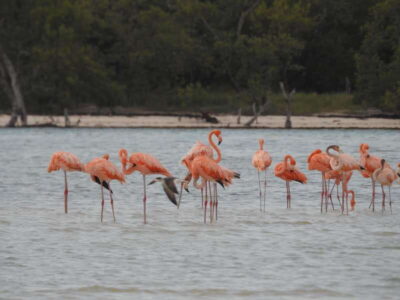 ★ 4.7Holbox: Yum Balam Reserve Classic Boat TourFrom $36470 reviews
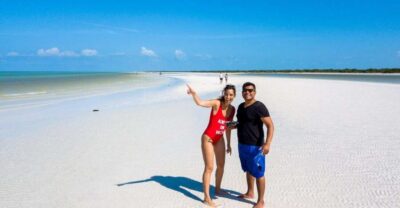 ★ 4.3Holbox Full-Day Tour with LunchFrom $104322 reviews
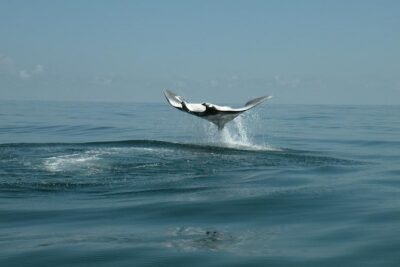 ★ 4.5Whale Shark and Snorkeling Adventure from Isla HolboxFrom $199214 reviews
 ★ 4.5Holbox Island Full Day Trip with Lunch From Playa del Carmen212 reviews
 ★ 4.5Cancun Airport Shared Shuttle to Holbox Chiquila PortFrom $49174 reviews
 ★ 4.5Boat Tour of Three Islands in Holbox with TransportationFrom $41172 reviews
 ★ 4.5Bioluminescence Tour in Kayak in Holbox IslandFrom $50165 reviews
 ★ 4.4Holbox: Guided Bioluminescence Kayaking TourFrom $49143 reviews
Also on these lists