
Review · RIVIERA MAYA CENOTE TOURS
2 dives in Cenote Dos ojos Certified Divers
Two cenotes in one morning, and wow starts early. This outing pairs two different cenote stops in Tulum on a small group plan, capped at four people, so you get more hands-on attention than the typical crowd scene.
I especially love how the tour starts with equipment setup and coaching. That matters because cenotes can be tricky on your buoyancy, and the best guides on this route focus on comfort first, including advice on BC balance and calm communication underwater.
One consideration: the price does not include cenote entrance fees, and there is no hotel pickup. You meet at Agua Clara Diving in Tulum, so you will want to plan your own ride to the start point.
Key things that make this tour worth your time
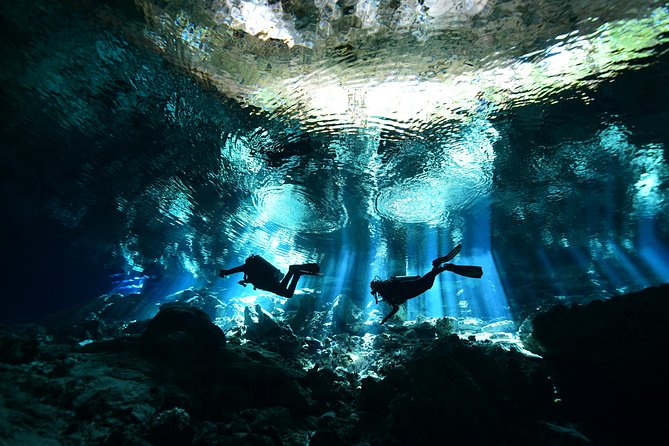
- Two cenote locations in one 5-hour window, with about 40 to 45 minutes per underwater session
- Small group size (max 4), which usually means quicker help and fewer people to manage
- Transport plus full equipment included, along with snacks, beverages, and a professional guide
- Guide-led briefings and gear checks that help you get the right comfort level before entering the water
- Second cenote choice based on your preference and skill level, with options like Casa Cenote and Gran Cenote
- Extra costs can apply for cenote entrance fees and for some cenote combinations
Other cenotes within half an hour of the 307
- Chichen Itza, Cenote and Valladolid Small Group Day Trip★ 5.0 · 2,104 reviews
- Tulum Guided Tour, Magical Cenote, Lagoon Snorkeling and Beachside Lunch★ 5.0 · 1,888 reviews
- Tulum Ruins, Turtles in Akumal and Cenote tour★ 5.0 · 1,706 reviews
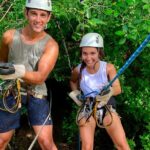
- Selva Maya Eco Adventure Park: Ziplining, Hanging Bridges, Rappelling and Cenote★ 5.0 · 1,057 reviews
Cenote Dos Ojos plus a second stop: what the 5 hours feels like
This is built as a solid half-day, starting at 8:30 am and running around 5 hours total. You are not just checking a box. You are doing two underwater swim sessions with time between them for snacks, refreshments, and lunch.
The flow is simple. You meet, ride out to the first cenote, get a briefing, get equipped, then head in for the first go. After that, there is a short break on land before you continue to your second cenote stop.
Both underwater sessions are typically around 40 to 45 minutes each, though timing can shift based on conditions and how the group is doing. If you like structure but still want breathing room to ask questions, this pacing tends to work well.
Price and value: what $200 includes, and what might cost extra
At $200 per person, the big value is that the price bundles a lot of the stuff that usually adds up. You get transport from a central meeting point, all necessary equipment, and a professional guide, plus snacks and beverages.
You also get taxes, fees, and handling charges included, which makes budgeting easier. The most important add-on to plan for is the cenote entrance fee, which is not included in the base price.
There can be small upsells too. Some cenote combinations are $10 more expensive because entrance fees change between sites. If you book and end up being the only scuba participant on the tour, there is a $15 USD extra charge to still take you out.
For most people, the math comes out fair because you are paying for guided logistics, gear, and transportation, not just access to a single water hole. If you are already carrying your own gear and arranging your own rides, you could do it cheaper independently, but you will not get the same level of on-the-day support.
Meeting point at Agua Clara Diving: simple logistics, no hotel pickup
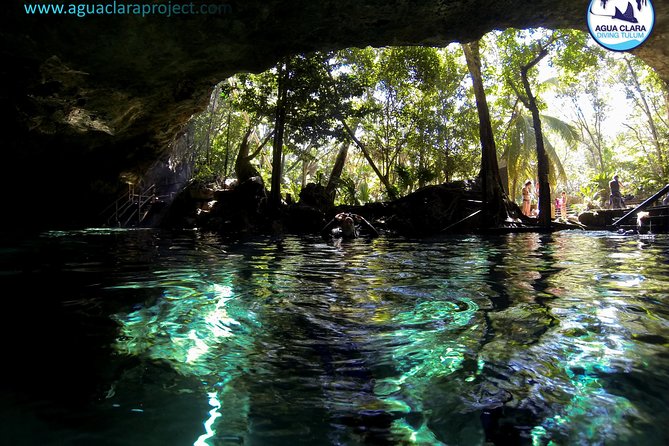
You start and end right back at the meeting point. The tour begins at Agua Clara Diving Tulum at Carretera Tulum-Boca aila km 5, Mexidivers, Hotel zamas, Tulum Beach, 77760 Tulum, Q.R., Mexico.
This matters because there is no hotel pickup and drop-off. If you are staying in central Tulum or near the beach, you can usually manage with local transport. If you are farther out, you will want to plan your ride early so you do not feel rushed.
The tour also ends back at the meeting point, not at your hotel. So think ahead about how you will get home after the second cenote and lunch break.
On the operational side, you should receive a confirmation at booking time unless you book inside 1 day of travel, in which case confirmation comes as soon as possible based on availability.
Start with the right gear: why setup is a big deal in cenotes
They treat equipment as step one. You try the gear first, and the guide helps you get the right fit before you enter the first cenote. This is not just comfort. It is safety and control, especially when you need stable buoyancy in confined spaces.
One recurring theme from strong experiences on this route is patience during the gear and balance adjustment phase. Guides focus on helping you breathe calmly, get comfortable with buoyancy control, and practice signals and communication before you move into the underwater parts.
It also helps that you are doing two separate underwater sessions. If you get your setup right at the start, the second cenote feels easier, not like a repeat of the awkward first minutes.
Practical tip: if you plan to bring a camera, save battery life. One solo participant reported the best scenery came near the end, after the second session started, and battery was already running low. In other words, you do not want your memory card saving the day while your battery is doing the opposite.
Stop 1 at Cenote Dos Ojos: formations, first briefing, and timing
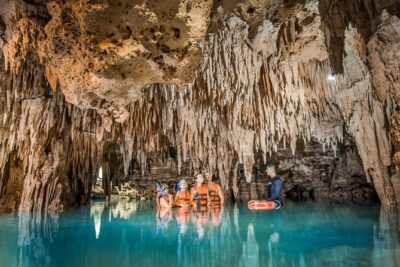
Cenote Dos Ojos is the first underwater stop. You ride from the meeting area to the cenote with the guide, then you get a briefing on-site. After that, you suit up and go in.
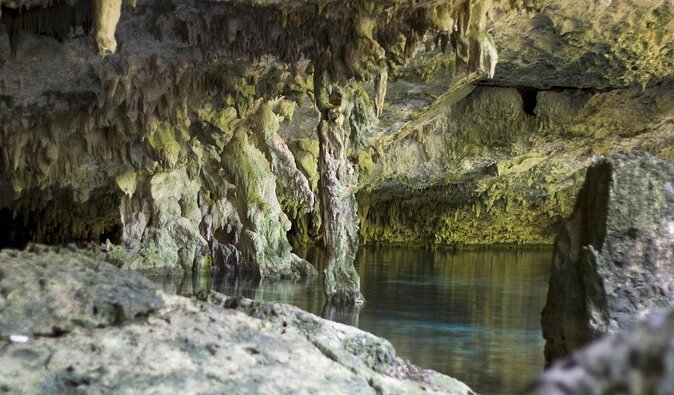
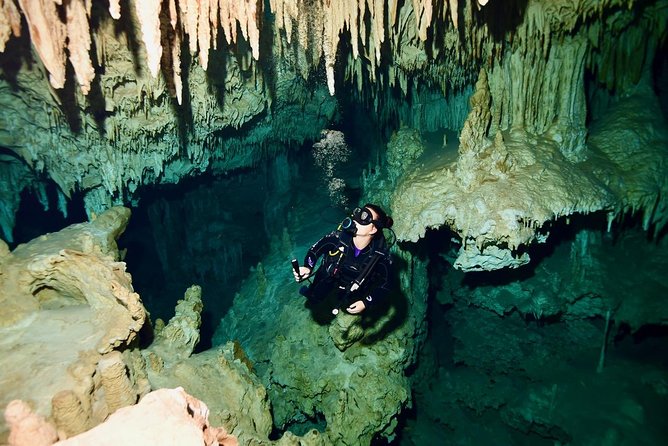
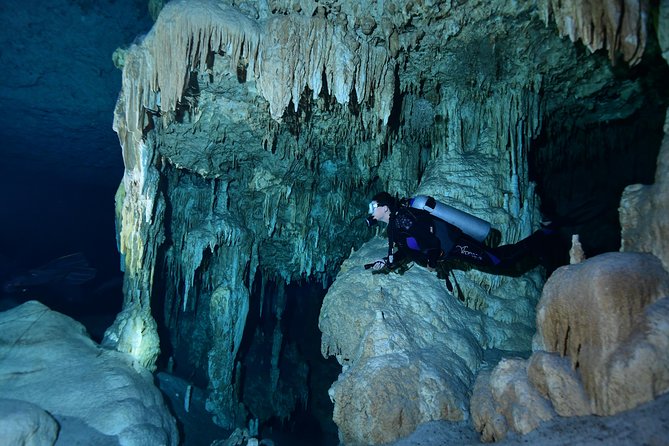
This is the kind of cenote where the rock features matter. Expect stalagmites, stalactites, and columns, plus that classic cave-cavern geometry that makes you look up as often as you look forward. The formations are not just pretty. They also define how the space feels and how you navigate, so the briefing helps.
Time-wise, you are usually in for about 40 to 45 minutes for the first session. That is long enough to settle in, but not so long that you feel drained before lunch and the second stop.
Dos Ojos can be a confidence test if you are newer to controlled buoyancy, but the best outcomes happen when you speak up early. If you are uneasy, it is better to say something before things get stressful.
The break between cenotes: snacks, lunch timing, and regrouping
After the first underwater session, there is a short break for snacks and refreshments. Lunch is included, and the exact timing can shift based on when the group finishes and what time you want to eat.
This land break is more important than it sounds. Cenotes are cool, and even when the water feels comfortable, your body can get tense. A short reset gives you time to warm up a bit, re-check gear, and ask one more question before heading into the second cenote.
You will also regroup before continuing with the second stop. If something felt off in the first session, this is when you can adjust your approach with the guide, like slowing your movements or working on steady breathing.
Second stop options: Casa Cenote or Gran Cenote based on you
The tour highlights that your second cenote is chosen based on your preference and skill level. Options can include Casa Cenote and Gran Cenote, alongside Dos Ojos as the first stop.
That matters because different cenotes can feel different under water. One site might be more suited to a calmer route, while another can feel more open or more structured for navigation. Your guide helps match the plan to your comfort level and certification.
If you are a new scuba participant, the best second stop tends to feel like a chance to build confidence right after you got your setup dialed in at Dos Ojos. If you are more experienced, you might appreciate how the second location changes the look and the rhythm of the water space.
One more cost note: some combinations can be $10 more because entrance fees vary between cenote sites. So when your booking team helps decide what fits you best, it can be worth asking about which second stop leads to that extra entrance fee.
Guides and safety: small group attention, plus real name examples
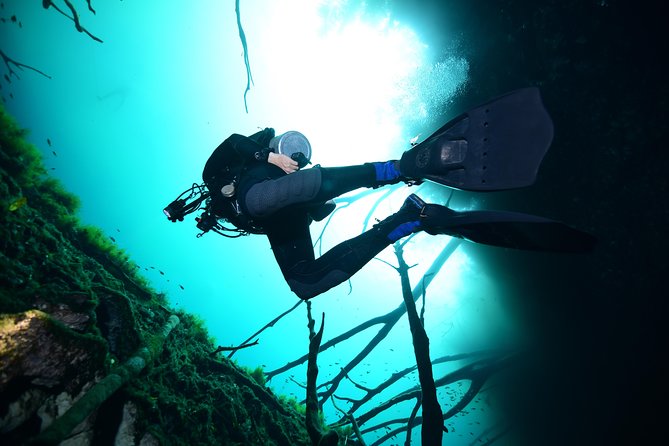
The biggest recurring praise is about the guides. Many strong experiences describe guides who are patient and attentive, and who make you feel safe in a cave and cavern setting.
Several guide names pop up in positive experiences: Julio is praised for being attentive and especially patient with groups. Alberto is highlighted for making newly certified participants feel safe and comfortable. Leo is mentioned for patience and for helping participants feel secure throughout.
Other guides also receive credit, including Marcello, Adiel, Luke, and Marcel. The pattern across these names is consistent: clear briefings, help with equipment and buoyancy, and guidance that keeps people calm instead of rushed.
One caution from the provided feedback: there is at least one outlier review describing a negative experience with a guide’s attitude and a decision to stop continuing and leave early. That is not the overall pattern, but it is a reminder that personalities and communication styles matter.
My practical advice: if you feel off during the briefing or the first moments, speak up immediately and clearly. You are the client, and you need a guide who helps you feel confident. Ask questions about the plan, signals, and what the route will require.
Camera, buoyancy, and the little comfort fixes that save your day
A lot of cenote enjoyment comes down to control. If your buoyancy is wobbly, your brain gets busy. You stop looking at formations because you are busy fighting your body.
That is why setup and coaching matter. One participant credited the guide with helping balance on the BC, and the difference was noticeable in comfort and confidence. Another account emphasized a refresher approach, including reviewing comfort steps before entering the water and then again while in the water.
If you are bringing a camera, plan for the runtime. Save battery life early for the moments you care about most, because the second session can be where the scenery feels most dramatic.
Also, watch for bugs. One review specifically recommends getting the long-sleeve wet suit because mosquitoes can be a problem after sessions. Even if the water does the cooling, the land can still feel like you are in a buffet line.
What to bring: wet suit tips, bug protection, and bio-friendly products
You will be provided equipment by the tour, but you should still think about what you wear. Several experiences mention the value of a long-sleeve wet suit for mosquito protection.
For surface products like sunscreen or insect repellent, the tour recommends bio-degradable options, and they sell both in their shop. This is practical in a cenote context, because you do not want to be the person who shows up with a product that is not compatible with the environment.
Bring your own towel or dry clothes if you like, and keep a small bag for wet gear. You are going to switch between water and land a few times, and being comfortable afterward helps you enjoy the second stop.
Moderate physical fitness is recommended. You do not need to be an athlete, but you should be comfortable with getting in and out of the water and staying calm while you follow underwater instructions.
Who should book this two-cenote scuba outing
I think this tour is a great fit if you want guided structure and a memorable day without managing logistics yourself. The small group limit makes it feel less like an assembly line, and the included transport and equipment mean you can travel lighter.
It is also a smart choice if you already have scuba certification and want to practice in a new environment with a guide who helps with comfort and control. The requirement is that you provide evidence of scuba certification.
If you hate uncertainty, this might also appeal to you because the itinerary is straightforward: Dos Ojos first, then snacks and lunch, then a second cenote stop based on your preference and skill level.
If you have strong anxiety about cave spaces or you feel likely to panic underwater, talk with the shop before booking. The guide needs to know your comfort level up front, and it is better to choose the right cenote combination from the start.
Should you book Agua Clara Diving’s two-cenote session?
Yes, I would book it if you want a guided, small-group way to experience two cenotes in one morning, with transport, equipment, and food handled. The price feels fair for what is included, and the best experiences highlight patient guidance and a focus on comfort, buoyancy, and safety.
Book it with confidence if you are ready to follow briefings and you bring your certification paperwork. Then add one planning step: ask what the second cenote will be for you, and whether any extra entrance fee applies to your chosen combination.
If you are sensitive to guide style, do not stay silent during the briefing. Your comfort matters. Find a guide who can explain clearly, support your setup, and make you feel steady before you enter the underwater part of the day.
FAQ
What is the tour duration?
The tour runs for about 5 hours.
What time does the tour start?
The start time is 8:30 am.
Do I need scuba certification?
Yes. Evidence of scuba certification is required for all participants.
Is hotel pickup included?
No. Hotel pickup and drop-off are not included. The activity starts and ends at the meeting point.
What cenotes do you visit?
Cenote Dos Ojos is the first stop. The second stop can be chosen from options like Casa Cenote and Gran Cenote depending on your preference and skill level.
Are cenote entrance fees included?
No. Cenote entrance fees are not included.
What is included in the price?
The price includes taxes and fees, all necessary equipment, transport from the central meeting point in Tulum, snacks, beverages, and a professional guide.
How long is each underwater session?
Each underwater session is around 40 to 45 minutes.
What is the group size?
This is a small-group tour limited to a maximum of 4 people.
More Tour Reviews in Tulum

Three More Cenotes Worth the Drive
- Selva Maya Eco Adventure Park: Ziplining, Hanging Bridges, Rappelling and Cenote
★ 5.0 · 1,057 reviews
Just reviewed around Tulum


Riviera Maya Cenote Tours, compared.
 ★ 4.5Chichen Itza, Cenote & Valladolid Tour with Tequila and LunchFrom $3415,789 reviews
 ★ 4.6Chichen Itza, Cenote & Valladolid Tour with LunchFrom $496,722 reviews
 ★ 5.0Early morning Chichen Itza Tour: Cenote and Tequila TastingFrom $266,657 reviews
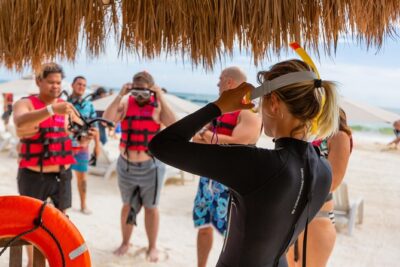 ★ 5.0Viator Exclusive: Tulum Ruins, Reef Snorkeling, Cenote and CavesFrom $1294,242 reviews
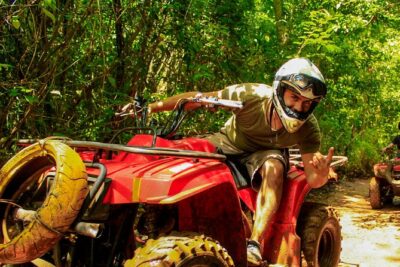 ★ 4.5ATV Adventure, Interactive Bridges, Ziplines, Cenote and LunchFrom $493,903 reviews
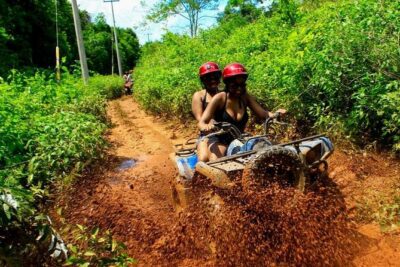 ★ 4.5Cancun Best ATV Tour, Ziplines and Cenote Swim with LunchFrom $483,406 reviews
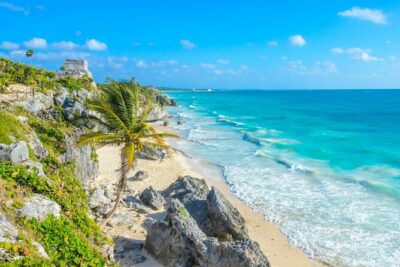 ★ 4.5Tulum Ruins and Cenote Guided Tour, from CancunFrom $492,592 reviews
 ★ 5.0Chichen Itza Gastronomic, Valladolid and Cenote ExtremoFrom $292,558 reviews